Can Permanent Lighting Be Hidden During Daytime?
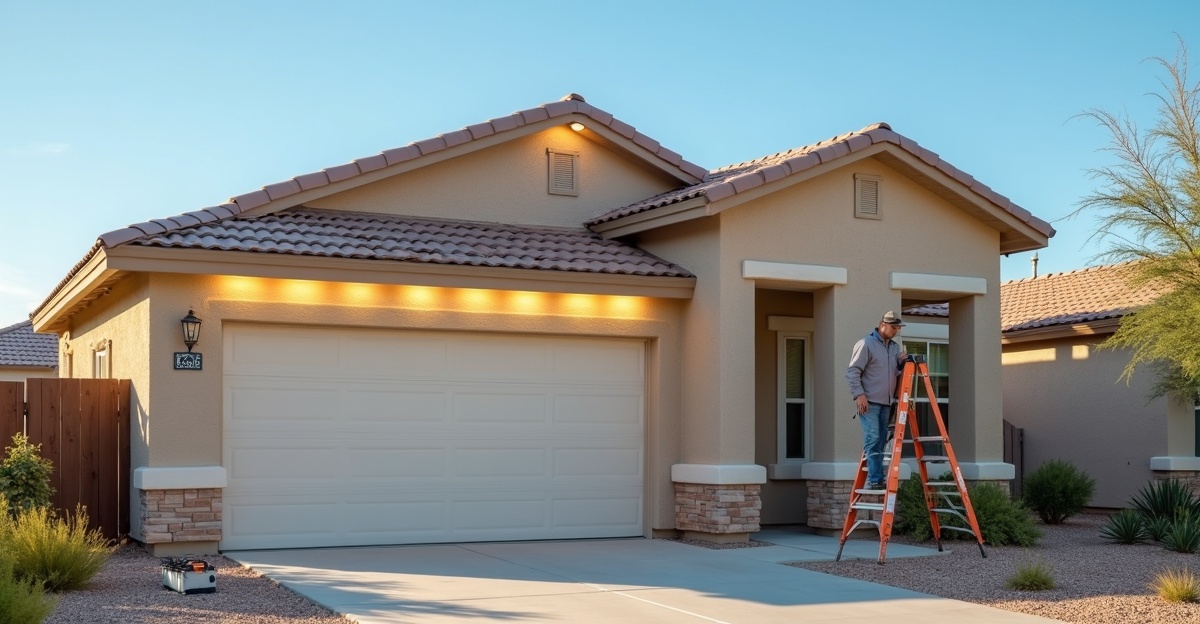
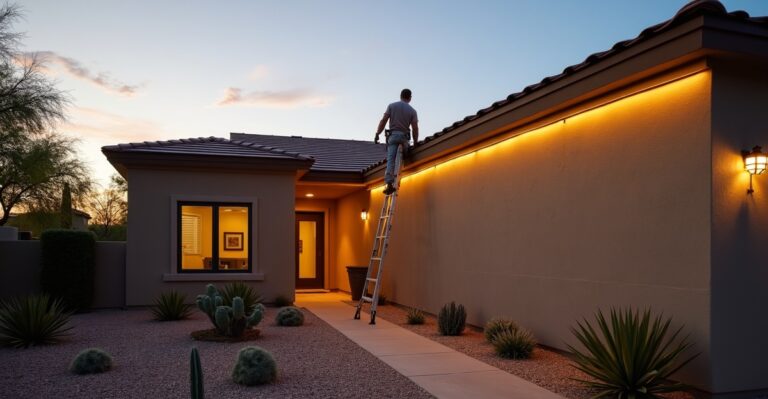
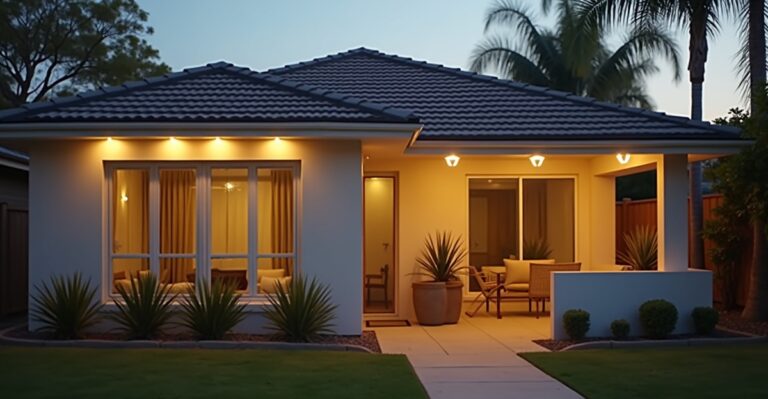
Hidden permanent lighting systems follow the roofline so they stay discreet during the day and deliver bold, flexible lighting at night. We install them under soffits, match them to existing trim, and align them with precision to protect curb appeal and clearly answer the question: can permanent lighting stay hidden during the daytime? With proper planning and expert installation, they can.
Key Takeaways
- Hidden permanent lighting systems are mounted flush under soffits or along fascia boards to maintain a low profile from normal street-level views.
- We use color matching, tight diode spacing, and diffused lenses to help the track blend with stucco, trim, and rooflines in bright sunlight.
- Roofline depth, viewing angle, color contrast, and installation quality all affect daytime visibility.
- Our professional installation prevents gaps, exposed wiring, and uneven alignment that make systems stand out.
- Quality materials and heat-resistant components handle Arizona’s sun, dust, and monsoon conditions while keeping the exterior clean throughout the year.
The Short Answer: Yes, Hidden Permanent Lighting Systems Can Stay Discreet in Daylight
Hidden permanent lighting systems are built to stay low-profile during the day. When we install them professionally, they blend into the roofline and remain virtually unnoticeable from normal street-level viewing angles.
Most homeowners share the same concern: “Will these lights make our home look cluttered during the day?” That concern makes sense. No one wants to trade clean curb appeal for year-round outdoor lighting.
The good news is this. Modern systems aren’t bulky string lights draped across gutters. They’re precision-mounted tracks that follow the architecture of the home. From the sidewalk, they look like part of the trim.
We avoid promising “completely invisible.” In bright Arizona sun, every architectural detail casts a shadow. But with proper alignment and color matching, invisible daytime lighting becomes a practical reality for everyday viewing. Most neighbors won’t notice anything at all until the lights turn on after sunset.
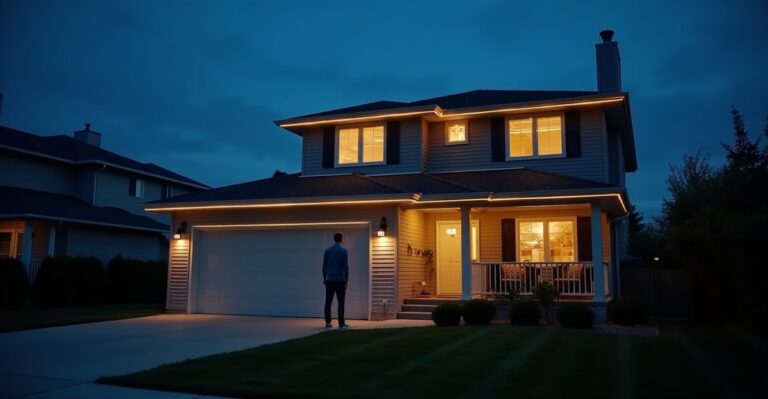
Homeowners across the Valley choose Arizona permanent lighting because it enhances nighttime beauty without compromising daytime appearance. By day, the home looks clean and polished. By night, it glows with character and control.
To see a deeper breakdown of how visibility works, this guide on are permanent lights visible in daytime explains what to expect from different angles and home styles.
How Concealment Actually Works: Placement, Color Matching, and Smart Design
Great concealment starts with placement. Most systems are installed under the soffit or along the fascia board, tucked just behind the front edge so they stay out of direct sightlines. A proper soffit lighting installation keeps the track hidden while allowing the light to wash down the wall evenly.
Roofline lighting systems follow the architectural lines of the home. Instead of hanging below the gutter like temporary lights, they sit flush along the structure. That alignment makes a big difference during the day. Straight lines look intentional. Straight lines look clean.
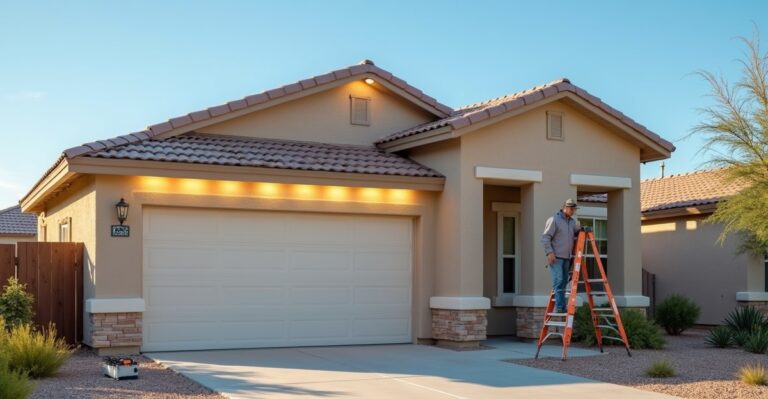
Color-matched LED lighting is another key step. We use tracks that are manufactured or painted to match stucco, trim, fascia, or roof edge colors. On many Arizona homes with light tan stucco and tile roofs, even a small shade difference stands out. Matching tones carefully keeps the system understated.
Spacing and lens design also matter. Tight diode spacing reduces the appearance of individual “bulbs.” Diffused lenses soften the look so we don’t see dots along the roofline in full sun. Instead, the system reads as a subtle trim detail.
Professional calibration ties it all together. By adjusting brightness levels and beam angles, we prevent glare and visual distraction. Smart exterior lighting systems allow us to fine-tune output so the lights perform beautifully at night without drawing attention during the day.
Homes with stucco exteriors and Spanish-style tile roofs require careful technique. Arizona’s suburban neighborhoods often feature shallow overhangs, textured finishes, and bright sunlight. Precise mounting ensures the track sits tight against the surface and avoids shadow gaps.
If we’re curious what the hardware actually looks like up close, this overview of hidden lighting tracks gives a clear visual explanation.
What Affects Daytime Visibility: Rooflines, Contrast, and Installation Quality
Several factors influence how permanent outdoor lighting appears during the day.
Roofline depth makes a difference. Deep soffits conceal tracks more easily than shallow eaves. The farther back the system sits, the less visible it becomes from the street.
Color contrast also plays a major role. A white track on dark brown trim will stand out. A tan track on tan stucco disappears. That’s why color-matched LED lighting is so important.
Viewing angle changes everything. From directly across the street, most systems blend well. From a second-story window across the way, more detail may be visible. During design, we assess the property from multiple vantage points to plan accordingly.
Installation quality is the biggest factor of all. Poor workmanship can leave:
- Visible gaps along the fascia
- Drooping or bowed tracks
- Exposed wiring
- Uneven alignment
- Mismatched color tones
Clean installation solves these issues. We mount tracks straight and flush. We conceal wiring within trim or attic access points. We ensure joints line up tightly. The finished look feels intentional, like part of the home’s architecture.
Many homeowners also wonder about HOA rules. HOA-friendly exterior lighting typically requires systems to remain low-profile and harmonious with the building. Because hidden permanent lighting systems follow the roofline and avoid hanging elements, they’re often approved when properly submitted. Clean lines and professional presentation go a long way.
For a full overview of the system itself, this breakdown of permanent trim lighting for homes explains how it integrates with residential architecture.
Built for Arizona: Durability in Heat, Dust, and Monsoon Conditions
Arizona permanent lighting must stand up to extreme conditions. Summer temperatures soar. UV exposure is intense. Dust storms and monsoon winds test every exterior surface.
Quality hidden permanent lighting systems use UV-resistant materials that won’t crack or fade in direct sun. Heat-rated components protect LEDs and wiring from thermal stress. Sealed connections prevent moisture intrusion during heavy rain.
Installation details matter here as well. Secure mounting prevents shifting during wind gusts. Properly sealed penetrations keep water out. When installed correctly and maintained periodically, these systems are built for year-round outdoor lighting.
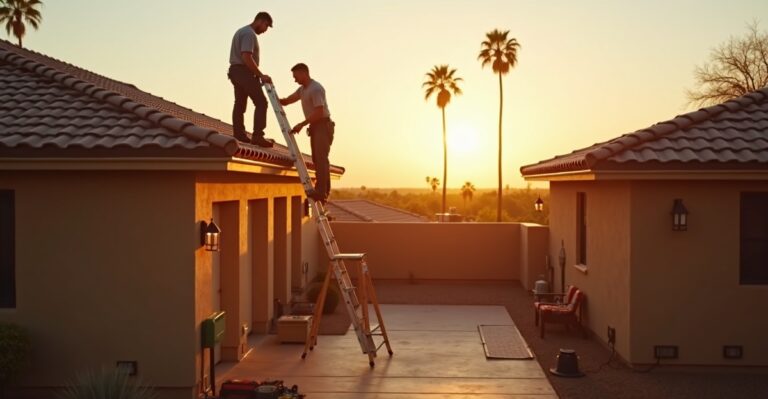
That durability changes how we use exterior lighting. There’s no need to climb ladders each season. There’s no tangled wire storage. Instead of installing and removing temporary strands, we set the look once and adjust colors through a smart control system.
For those curious about installation best practices, this guide on how to install permanent outdoor lights outlines the level of precision required.
Smart exterior lighting systems also allow remote updates, scheduling, and automation. Game day colors, holiday themes, or subtle security accents can all be programmed without touching the hardware. The system stays clean during the day and flexible at night.
Curb Appeal, Resale Value, and Year-Round Uses Beyond Holidays
Permanent roofline lighting systems add a modern edge to a home. Even in daylight, the trim appears crisp and uniform. At night, the transformation feels dramatic.
That contrast between a clean daytime look and a dynamic evening glow strengthens curb appeal. Buyers increasingly appreciate smart home features, and professionally installed Arizona permanent lighting can support perceived resale value during conversations.
These systems go far beyond seasonal décor. We use them throughout the year for:
- Game day team colors
- Outdoor dinners on the patio
- Subtle everyday architectural glow
- Security lighting accents along entry points
- Birthday parties and neighborhood events
Because the lights are already installed, switching themes takes seconds.
Homeowners exploring year-round outdoor lighting options often discover how versatile these systems can be in everyday life.
Businesses see similar benefits. Clean, consistent commercial permanent lighting solutions support branding and seasonal promotions without repeated installations. Storefronts look polished during the day and eye-catching at night. Property managers appreciate lower maintenance and consistent presentation.
For larger properties, professionally planned commercial outdoor lighting keeps buildings visible and inviting while maintaining a neat exterior appearance during business hours.
Homes vs. Businesses: What to Expect and Your Next Step
Residential projects typically focus on curb appeal, HOA compliance, and smart app control. We evaluate soffit depth, trim color, and neighborhood standards. The goal is simple: beautiful night lighting with invisible daytime presence.
Our residential outdoor lighting approach centers on blending systems with the home’s lines so the architecture stays the star.
Commercial properties prioritize visibility and branding flexibility. Owners often want bold seasonal changes, consistent color schemes, and minimal service calls. Durable components and straightforward controls matter most in those settings.
Quick Answers About Daytime Visibility
- Will we see the track from the street?
In most cases, it’s barely noticeable from standard street-level angles when professionally installed. - Can it match the trim color?
Yes. Color-matched LED lighting allows the track to blend with stucco, fascia, or painted trim. - Does it look like holiday lights during the day?
No. Permanent systems sit flush along the roofline and don’t hang below gutters. - What’s the first step?
A professional consultation that includes property evaluation, roofline assessment, color-matching review, and visibility planning.
Every home and building is different. Rooflines vary. Trim colors shift in different light. Surrounding structures affect sightlines. That’s why a personalized plan makes all the difference.
The next step is simple. Schedule a design consultation and see how hidden permanent lighting systems would look on a specific property before making any decisions. A clear plan brings confidence, and confidence keeps curb appeal shining day and night. Reach out through our contact page to get started.