Can Permanent Lighting Be Installed on Tile Roofs?
Tile roof permanent lighting installs safely when we use tile-specific mounting methods that protect the roof’s shape and waterproof barrier. We achieve long-lasting results by understanding tile construction, selecting climate-ready materials, and avoiding drilling errors that cause cracks, leaks, or warranty problems.
Key Takeaways
- Tile roofs require specialized brackets and precise placement to prevent cracked tiles and punctured underlayment.
- Professional installation protects roof warranties because we avoid unnecessary drilling and structural harm.
- Heat-resistant LED components and secure mounting help systems withstand Arizona sun, UV exposure, and monsoon storms.
- Properly installed systems remain discreet during daylight with color-matched tracks and organized wire management.
- A smart, year-round lighting system delivers flexible accent, holiday, and security lighting while eliminating DIY safety risks.
Yes, Permanent Lighting Can Be Installed on Tile Roofs—When It’s Done the Right Way
Yes, tile roof permanent lighting can be installed safely and cleanly when it’s handled by professionals who understand how tile systems work. The key is using specialized mounting methods built specifically for tile, not treating it like asphalt shingles.
Tile roofs—clay, concrete, Spanish, and Mediterranean styles common across Arizona—have a unique structure. That means installing permanent lights on a clay tile roof requires a different strategy than on traditional shingle homes. With the right approach, permanent lighting for tile roofs is practical, safe, and built to last.
We’ve seen firsthand how a well-installed year-round exterior lighting system can transform a tile home. From subtle accent lighting to full-color holiday displays, Arizona tile roof lighting is absolutely possible. The difference comes down to expertise and proper materials.
Why Tile Roofs Require a Different Installation Approach
Tile roofs are beautiful and durable, but they demand respect. Tiles are stronger than they look, yet they can crack if someone walks on them incorrectly or drills through them without care. That’s where problems start.
Unlike flat shingles, tiles have curved profiles and overlapping layers. Installers must work with the shape of the tile, not against it. Beneath those tiles sits an underlayment and waterproof barrier that protects the home. If someone penetrates that system incorrectly, leaks can follow.
Most roof damage tied to permanent lights happens because of:
- Screws driven directly through visible tile faces
- Improper drilling that cracks tiles
- Exposed wiring that shifts in wind or heat
Roof warranties can also be at risk if installation isn’t handled correctly. DIY approaches often overlook these details. Professional assessment and tile-specific methods help protect both the roof and the warranty.
Arizona’s climate adds another layer of responsibility. Extreme heat, heavy UV exposure, dust, and monsoon winds all test exterior systems. Arizona tile roof lighting must use heat-resistant outdoor LED components and secure mounting that stands up to storms. A system built for milder climates simply won’t last here.
With proper planning, tile roof permanent lighting stays secure, discreet, and weather-resistant year after year.
How Professional Permanent Lighting Installation Works on Tile Homes
Professional installation starts with understanding the tile profile. Not all tiles are the same. Clay barrel tiles, flat concrete tiles, and specialty shapes all require different attachment strategies.
Instead of driving random screws through tile faces, experienced installers use custom brackets or clips designed to work with the tile’s shape. Mounting points are placed carefully to avoid compromising the waterproof barrier. That keeps moisture out and preserves roof integrity.
Lighting tracks are positioned discreetly along the roofline or under tile edges. During the day, they blend into the trim thanks to color-matched materials. Many homeowners associations prefer systems that stay virtually invisible when not in use, and this approach supports HOA-approved permanent lighting standards.
Clean wire routing is equally important. No exposed lines. No loose cables. Everything is sealed and secured to protect against UV damage, heat expansion, and monsoon winds.
Today’s systems are built as a full year-round exterior lighting system with smart app control. We can adjust colors, brightness, patterns, and schedules from a phone. Smart lighting for tile homes gives us flexibility for everyday accent lighting, holidays, or special events without climbing a ladder.
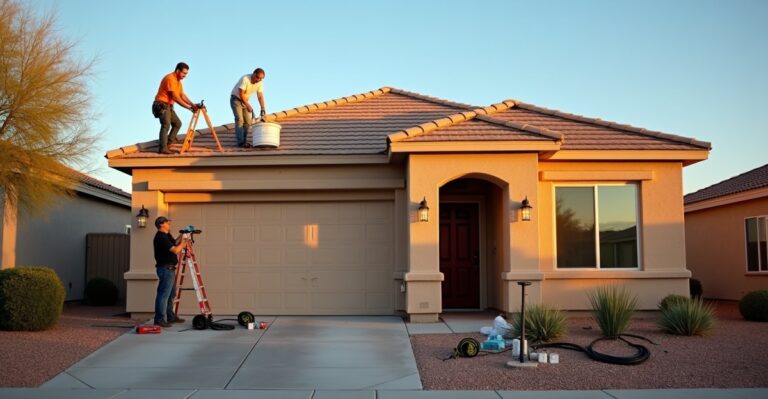
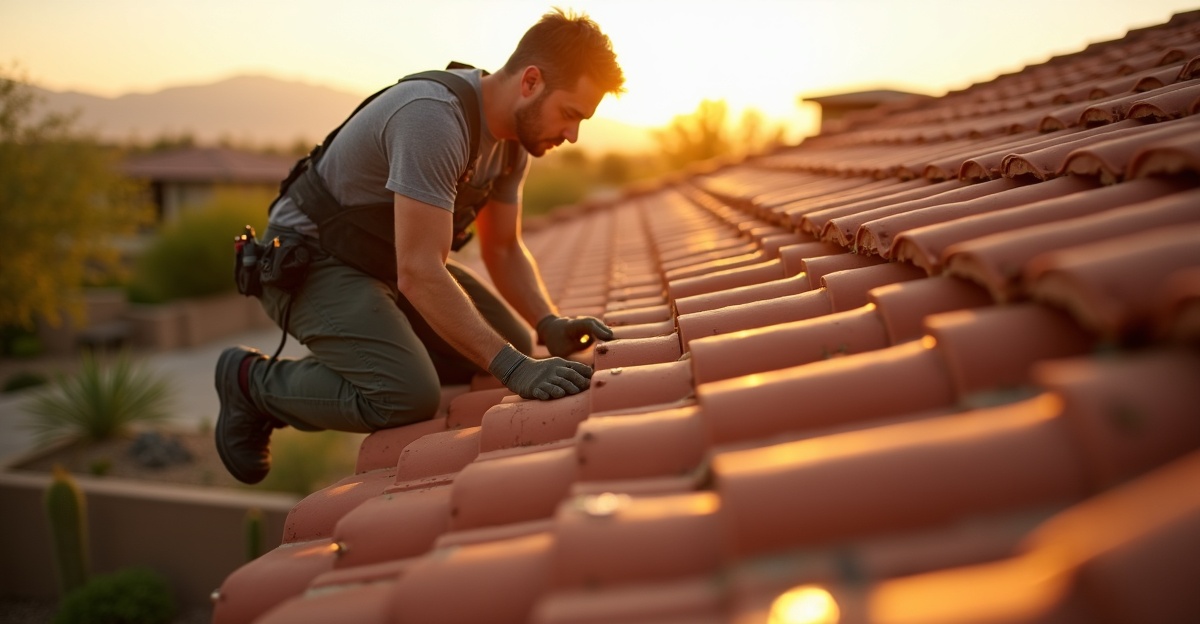
In Arizona, understanding tile roofing structures isn’t optional. We’ve installed systems across homes and businesses with Spanish and Mediterranean architecture, and we build every plan around local climate conditions. Professional permanent lighting installation uses trained, insured teams who know how to move on tile safely and protect every component of the roof.
For homeowners curious about other roof types, we’ve also covered details for metal roof lighting installations and flat roof permanent lighting so we can compare options with confidence.
Common Concerns from Homeowners—Honest, Clear Answers
Every tile homeowner asks the same smart questions, and they should.
Will it damage the roof?
When installed correctly with tile-specific mounting methods, the answer is no. Damage usually happens with improper DIY systems or installers who treat tile like shingles.
Can tiles crack?
Older or brittle tiles may require extra care. In some cases, having matching replacement tiles on hand is wise. Trained teams know how to step and distribute weight properly to avoid stress points.
Will it void the roof warranty?
Improper drilling can. Professional installation is structured to protect the roofing system and avoid unnecessary penetrations. That protects both performance and long-term coverage.
Will the lights be visible during the day?
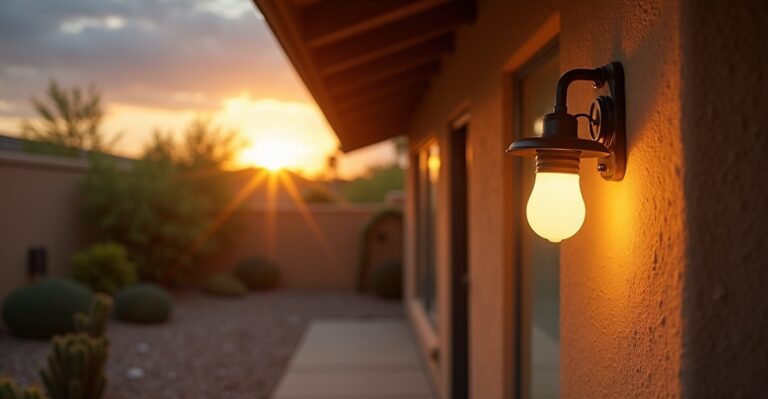
Color-matched tracks and under-tile placement keep the appearance clean. From the street, the home keeps its original architectural charm.
Can it handle Arizona heat and monsoon storms?
With heat-resistant outdoor LED components rated for extreme sun and weather exposure, yes. Secure mounting and sealed connections help the system hold steady through wind and dust.
What about HOA rules?
Many homeowners associations approve permanent systems because they sit flush and remain discreet when off. They don’t create clutter like seasonal strands.
DIY kits often skip these tile-specific safeguards. While they may look affordable upfront, they increase the risk of cracked tiles, leaks, and exposed wiring. On tile, experience matters.
For a deeper look at roofline safety considerations, we’ve outlined key points in our article on roofline lighting safety.
Benefits for Tile Homes and Businesses in Arizona
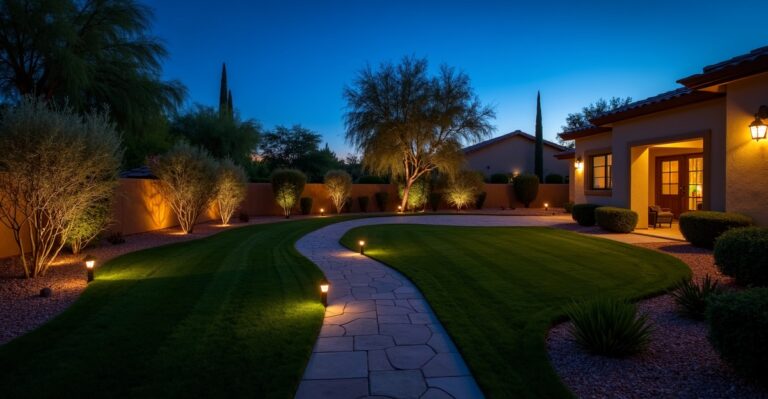
Permanent lighting for tile roofs blends beautifully with Spanish and Mediterranean design. Warm white can highlight arches and columns. Soft washes can frame textured stucco. Vibrant colors can celebrate holidays without distracting from the architecture.
The flexibility is where it truly shines:
- Holidays like Christmas, Halloween, and the Fourth of July
- Game days and special events
- Birthdays and anniversaries
- Everyday outdoor accent lighting
- Subtle security-focused perimeter lighting
A year-round exterior lighting system also removes the seasonal hassle. No more climbing ladders. No tangled strands. No storage bins packed with clips and bulbs. We set schedules once and adjust with a phone.
Smart lighting for tile homes gives complete control. We can dim for a relaxed evening glow or intensify colors for a bold celebration. For homeowners exploring long-term upgrades, our residential outdoor lighting solutions extend beyond rooflines to create full-property harmony.
Businesses with tile roofs gain equally strong benefits. Permanent systems increase visibility and strengthen brand presence. They save on repeated seasonal installation costs and present a polished, dependable image year-round. Commercial properties interested in visibility upgrades can explore commercial outdoor lighting options built for durability and impact.
Is Your Tile Roof a Good Candidate? When a Professional Assessment Matters
Most tile roofs can support tile roof permanent lighting. Still, some situations call for closer review.
Older roofs with brittle or previously damaged tiles need careful evaluation. Steep pitches or complex architectural lines require a thoughtful mounting plan. Each roofline is distinct, and we treat it that way.
An on-site assessment checks tile condition, underlayment protection, attachment points, and safe access routes. This step prevents surprises later.
DIY installations may look economical in the short term. Cracked tiles, hidden leaks, or loose wiring quickly erase those savings. Professional permanent lighting installation focuses on safety, longevity, and visual consistency from day one.
Arizona tile roof lighting must withstand intense sun and sudden storms. We build systems with local climate in mind and prioritize long-term value over shortcuts. That approach keeps homes protected and looking sharp.
If we’re ready to see what’s possible for a home or business, a professional review is the smartest first step. We can schedule a consultation, ask specific questions, and get clear recommendations based on the exact roof structure. Contact us through our lighting consultation page and let’s find out how permanent lighting can fit beautifully and safely on a tile roof.
Frequently Asked Questions
Yes, permanent lights can be installed on clay or concrete tile roofs when tile-specific mounting systems are used. Installers typically use specialized clips or brackets that work with the tile’s shape instead of drilling through the visible surface. This approach protects the tiles, preserves the waterproof underlayment, and keeps the lighting system secure and discreet along the roofline.
Permanent lighting should not damage a tile roof when installed correctly. Professional installers avoid drilling through tile faces and instead mount lights using tile-compatible brackets and secure attachment points. Proper installation prevents cracked tiles, protects the roof’s waterproof barrier, and keeps wiring organized so wind, heat, and weather do not cause long-term problems.
Most tile roof permanent lighting systems use outdoor-rated LED components designed to last 30,000 to 50,000 hours or more. With proper installation and durable mounting hardware, the system can operate reliably for many years. Heat-resistant materials and sealed electrical connections also help the lights withstand intense sun, moisture, and seasonal weather changes.
Most modern permanent lighting systems are designed to remain nearly invisible during daylight hours. Installers use slim tracks that match the home’s trim color and position them along the roofline or beneath tile edges. This keeps the architecture of the home unchanged while allowing the lights to provide accent or holiday lighting at night.
Professional installation is strongly recommended for tile roof permanent lighting. Tile roofs have curved profiles and delicate surfaces that require careful movement and precise mounting techniques. Experienced installers understand how to avoid cracking tiles, damaging underlayment, or voiding roof warranties, ensuring the lighting system is both safe and long-lasting.