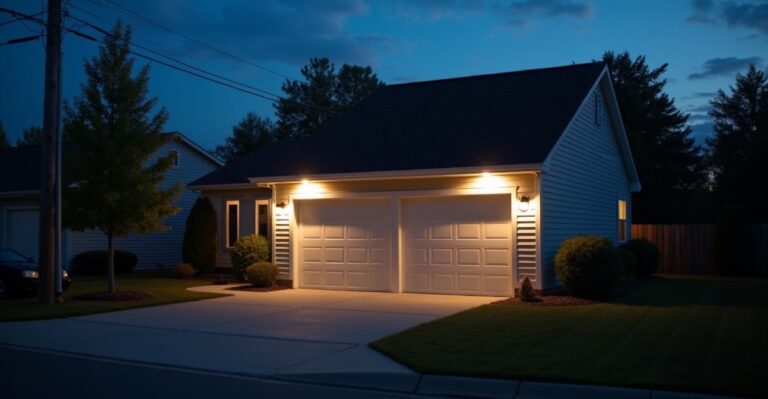
Can Permanent Lighting Be Used on Detached Garages?
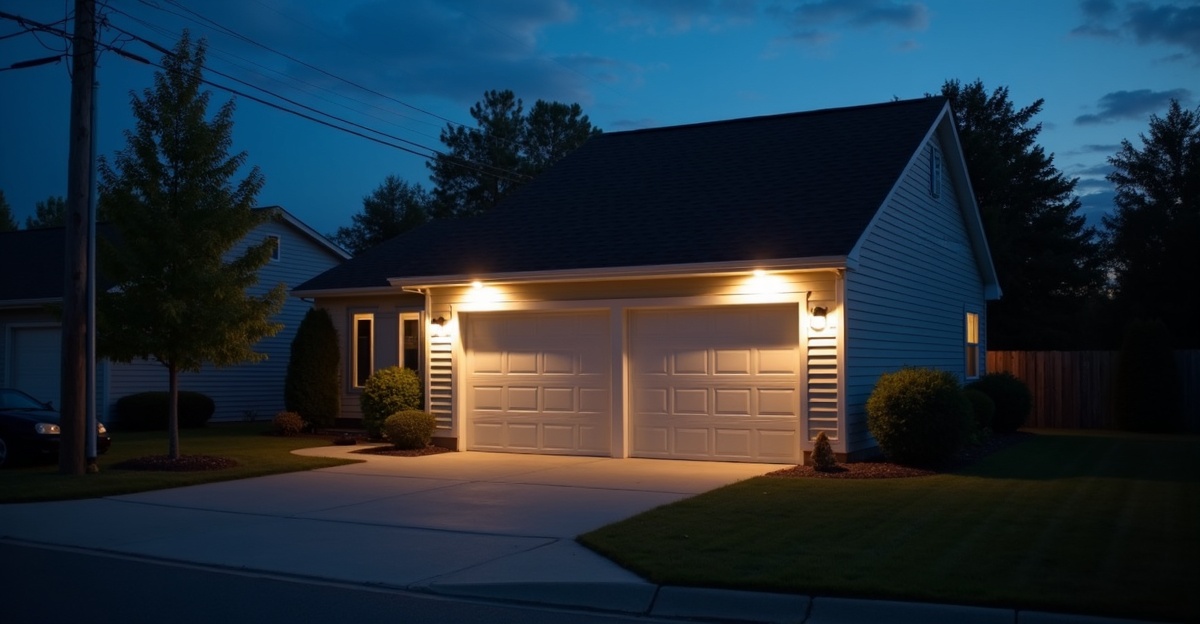
Detached garage permanent lighting delivers practical value when we plan for proper power access, stable Wi‑Fi control, and secure mounting that fits the structure. With climate-rated LED systems built for heat, sun, and storms, we can create year-round curb appeal, improve security, and add convenience that complements the home.
Key Takeaways
- Detached garages fully support permanent lighting when we install the right electrical setup, maintain strong Wi‑Fi connectivity, and handle installation professionally.
- Modern LED systems mount cleanly along the roofline or fascia and remain in place all year without seasonal setup or removal.
- Climate-rated materials matter in extreme environments because they resist heat, UV exposure, dust, and heavy rain.
- Permanent garage lighting extends past holidays by improving driveway visibility, increasing security, and adding architectural accent lighting.
- A single installation cuts ongoing maintenance, reduces bulb replacements, and eliminates the repeated cost of temporary lighting.
Yes, Detached Garages Can Have Permanent Lighting — Here’s What Makes It Work
Detached garage permanent lighting is practical, safe, and quickly becoming a favorite upgrade for homeowners and small businesses. A standalone structure across the driveway or tucked behind the house can absolutely support a permanent system that looks clean and performs year-round.
We install lighting along the garage roofline or fascia so it blends into the structure. During the day, it stays low-profile. At night, it brings your space to life. Permanent garage lighting works for holiday décor, everyday curb appeal, added security, and subtle architectural accents.
Modern LED permanent lighting systems are built to stay put. That means no ladders every December. It also means consistent, professional-looking light that feels intentional instead of temporary. Whether we’re creating a festive permanent holiday lighting garage setup or a sleek security glow, the same core system handles it all.
Detached doesn’t mean disconnected. With the right planning, your garage can shine just as brightly as your home.
What Your Detached Garage Needs: Power, Wi-Fi, and Structure Basics
Detached garages vary more than most people realize. Some have a dedicated subpanel. Others pull power from the main house panel. A few may need a new circuit run to support permanent garage lighting safely.
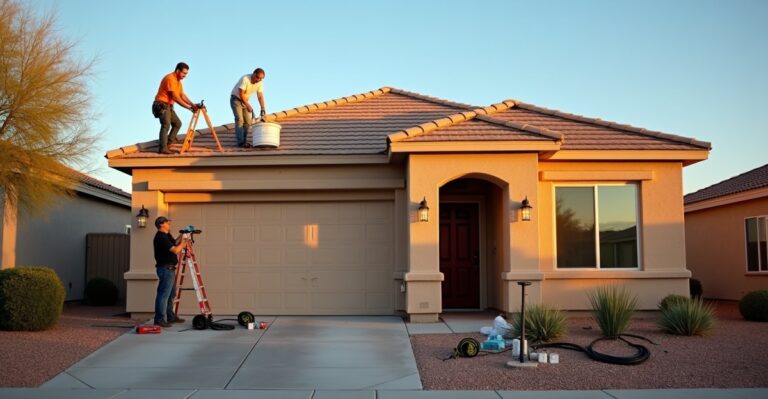
LED permanent lighting systems are typically wired for power. That doesn’t mean visible cords or messy extensions. It means a clean electrical connection handled correctly from the start. We avoid risky shortcuts like overloaded circuits or exposed wiring. Professional installation protects your property and keeps everything code-compliant.
Control is usually wireless. Many homeowners want smart lighting for detached garage setups that can be managed by app. To make that work, the controller needs reliable Wi-Fi coverage. If the garage sits far from the house, we may recommend a signal extender or a standalone controller programmed on-site. It’s all part of solving wired vs wireless garage lighting questions in a practical way.
Mounting also matters. Stucco, painted fascia boards, aluminum trim, and metal rooflines each require different hardware and attachment methods. A system that works beautifully on shingle and wood may require adjustments on metal panels. For example, if your structure has a metal roof, we use specific techniques for secure mounting similar to those discussed in permanent lights on metal roofs. The goal is always the same: a clean install that won’t shift, sag, or damage the surface.
When we plan a system, we also look at how to sync garage lighting with home system controls. Many clients prefer one app that runs both structures. Others want independent patterns. Either approach works with the right setup and signal planning.
Built for Arizona: Heat, Sun, and Monsoon Durability
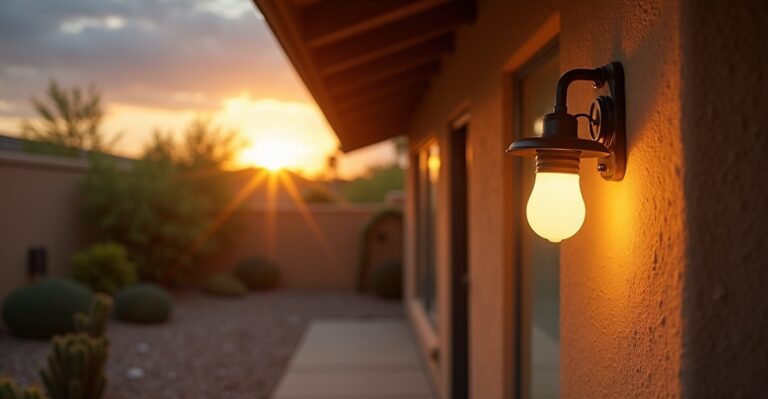
Arizona doesn’t go easy on outdoor materials. Summer heat pushes equipment to its limits. Sun exposure can bleach and crack lower-grade plastics. Monsoon storms bring wind, dust, and heavy rain in a matter of minutes.
That’s why Arizona outdoor lighting has to be climate-rated from the start. We use heat-resistant outdoor LED lighting that’s built for extreme temperatures. Components are sealed to keep dust and moisture out. Channels protect wiring and help the system blend into the roofline without warping or fading.
UV resistance also matters. South- and west-facing garage lines take the brunt of day-long sun. Cheap systems can discolor or become brittle. Quality materials hold their shape and color even after years of exposure.
Planning should also include HOA outdoor lighting guidelines Arizona communities may enforce. Some neighborhoods have rules about brightness, color changes, or holiday timing. We help factor that in early so permanent garage lighting fits comfortably within community standards while still giving you the impact you want.
In a climate like ours, durability isn’t optional. It’s the foundation of a system you can trust year after year.
More Than Holiday Lights: Year-Round Uses That Add Real Value
Many people first think of a permanent holiday lighting garage setup. That’s a great start, but it’s just one chapter of the story.
Permanent garage lighting supports visible, everyday benefits:
- Softer driveway illumination for safer parking at night
- Garage security lighting solutions that reduce dark corners
- Outdoor accent lighting garage designs that highlight trim, peaks, or stonework
- Color themes for birthdays, game days, and backyard gatherings
- Extra brightness for workshops and hobby spaces
Once installed, there’s no climbing ladders. There’s no untangling strings of lights. We simply adjust colors and schedules through an app or controller.
The difference between permanent garage lighting and temporary string lights becomes clear fast. Temporary lights often mean repeat purchases, broken bulbs, sagging lines, and visible clips. Permanent systems involve a higher upfront investment, but they eliminate yearly installation costs and constant maintenance. The visual result is also cleaner. Fixtures sit discreetly under the eaves or along the fascia, ready to glow whenever we need them.
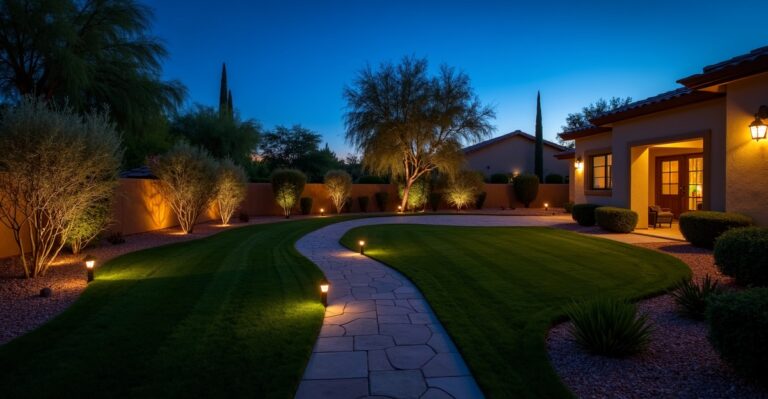
Picture the driveway at dusk. A soft, even wash of light outlines the garage. During holidays, it matches the home in coordinated patterns. That unified look creates balance and a sense of intention across the entire property.
For deeper insight into year-round operation, we often reference year-round permanent lights and how they simplify life in every season.
What About Energy Use, Safety, and Cost?
Clear answers matter. Here’s how detached garage permanent lighting stacks up:
Common Questions About Permanent Garage Lighting
- Is it safe?
Yes, when professionally installed with proper wiring and weather-rated components. We use sealed connections and climate-rated materials so the system operates safely in heat, rain, and wind. - Does it increase energy bills?
LED permanent lighting systems use a fraction of the power required by traditional incandescent bulbs. Most homeowners see minimal impact, especially with scheduled run times and dimming options. - Can it sync with our home?
In most cases, yes. We can sync garage lighting with home system controls through a shared app, provided signal strength supports it. - What if the detached garage is far from the house?
Signal boosters or standalone controllers solve most range challenges. We evaluate Wi-Fi strength before finalizing the plan.
Cost matters, too. Permanent systems involve a one-time installation expense. Temporary lights often bring recurring seasonal purchases and, in some cases, annual install fees. Over time, permanent garage lighting reduces maintenance, eliminates climb-and-install labor, and lowers bulb replacement costs.
The real value shows up in daily convenience and long-term durability. We build with professional-grade materials so the system keeps performing long after the first season ends.
A Smart Upgrade for Homeowners and Small Businesses
Homeowners gain strong curb appeal and simpler decorating. A well-lit garage increases driveway visibility and improves overall safety. Coordinated lighting across house and garage creates a polished, cohesive look. Through our residential outdoor lighting services, we design systems that match rooflines, paint colors, and neighborhood style.
Small businesses benefit just as much. A detached garage used for shop space, storage, or customer access can double as a branding feature. Coordinated color themes support promotions and events. Outdoor accent lighting garage designs highlight architectural lines, while garage security lighting solutions improve visibility around entry points and parking areas. Our commercial outdoor lighting options help business owners stand out after sunset without overwhelming nearby properties.
We also review HOA outdoor lighting guidelines Arizona communities may require, along with local electrical codes. Compliance keeps projects smooth from start to finish.
Every project begins with a thoughtful assessment:
- We review available power access.
- We test Wi-Fi strength and controller placement.
- We design a layout that complements roofline angles and materials.
Detached garage permanent lighting transforms what’s often an overlooked structure into a visual anchor. With the right plan, it shifts from a dark box at the edge of the driveway into a confident, welcoming feature.
When you’re ready to see what’s possible for your property, request a personalized assessment through a lighting consultation. Together, we’ll map out a system that brings lasting brightness to both home and garage.
Frequently Asked Questions
Detached garage permanent lighting is a fixed LED lighting system installed along the garage roofline or fascia that stays in place year-round. These systems are designed for outdoor use and connect to a power source with smart controls. Homeowners can change colors, brightness, and schedules through an app, allowing the lighting to work for holidays, security lighting, and everyday architectural accent lighting.
Detached garages usually require a reliable electrical connection to power permanent lighting. Some garages already have a dedicated circuit or subpanel, while others may need a new line run from the home’s main electrical panel. A professional installer evaluates the existing electrical setup to ensure the lighting system operates safely and complies with electrical code requirements.
Most detached garage permanent lighting systems use a smart controller connected to Wi-Fi or a dedicated signal hub. Homeowners can control color patterns, brightness, and schedules through a mobile app. If the garage is far from the house, installers often use Wi-Fi extenders or standalone controllers to maintain reliable connectivity and consistent lighting performance.
Yes, high-quality permanent LED lighting systems are built for long-term outdoor exposure. Climate-rated components resist heat, UV radiation, moisture, and dust, making them suitable for garages exposed to sun and storms. Weather-sealed channels and durable wiring protect the system so it maintains performance and appearance through changing seasons and harsh conditions.
Permanent LED garage lighting is typically more energy efficient than traditional temporary string lights. LED diodes consume significantly less electricity while producing consistent brightness. Many systems also include dimming features and automated schedules, which further reduce energy use. Because the system remains installed year-round, homeowners also avoid frequent bulb replacements and seasonal lighting purchases.