
Can Permanent Lights Be Controlled Without Wi-Fi?
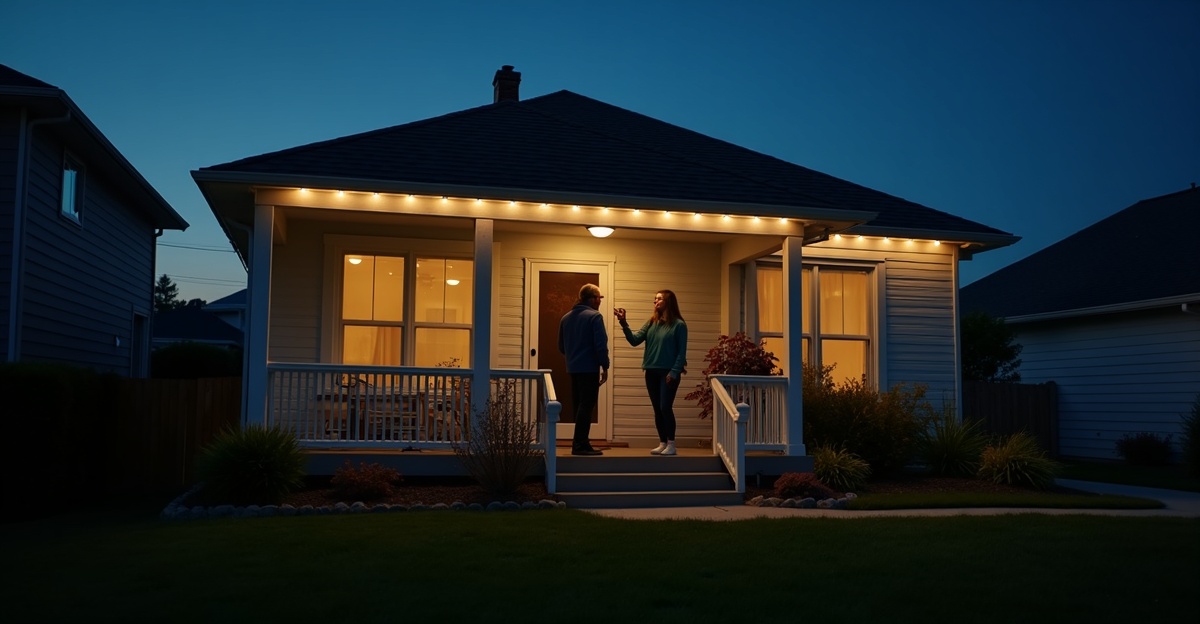
Controlling permanent lights without Wi-Fi is entirely possible, and we often build this capability into professional systems from day one. Once we understand our options for running permanent lights without Wi-Fi, we see how local controllers, remotes, timers, and Bluetooth keep our lighting operating smoothly, even during internet outages.
Key Takeaways
- Permanent lights do not require Wi-Fi to function; internet access serves as one control option, not a requirement.
- Local network and fully offline systems store schedules and color programs internally, so lights continue to operate during internet outages as long as power stays on.
- Offline control methods include RF remotes, Bluetooth connections, built-in timers, hardwired wall switches, and on-site controllers.
- Without Wi-Fi, we lose remote app access and voice assistant features, but everyday scheduling and on-property control continue to work.
- Offline setups work especially well for rural properties, businesses, and homeowners who value reliability, simplicity, and less reliance on cloud services.
Yes, You Can Control Permanent Lights Without Wi-Fi — Here’s How It Works
Controlling permanent lights without Wi-Fi is absolutely possible with modern systems. Permanent lights do not need Wi-Fi to function—Wi-Fi is simply one control option, not a requirement.
Most professional-grade systems are built with offline smart lighting control already in place. That means your permanent outdoor lighting without Wi-Fi can still turn on, change colors, and run schedules even if your internet goes down. The lights do not shut off just because your modem blinks red.
This matters during internet outages, rural connectivity issues, or temporary network disruptions. If your power stays on, your lighting system can usually keep operating, since internet connectivity and electrical supply are separate infrastructures as explained by the U.S. Department of Energy.
What changes without internet? You may lose remote app access while you are away from home. However, you can still control permanent lights without internet through local remotes, wall switches, or built-in schedules.
Below, we explain how it works, what happens during an outage, and the trade-offs to expect so you can choose the right setup for your home or business.
Understanding the Three Types of Lighting Control: Cloud, Local Network, and Fully Offline
Every permanent lighting system falls into one of three main control styles. The key is understanding the differences.
Cloud-Based (Wi-Fi-Dependent) Control
These systems rely on an active internet connection for full app access and remote control. Your lights connect to your Wi-Fi, and the app communicates through cloud servers.
If the internet drops, remote access stops. Some systems may still run basic schedules locally, but many features require a live connection.
Cloud control works well for people who want to adjust colors from anywhere. If that flexibility matters, it helps to understand how app-controlled lights work on your home so expectations are clear.
Local Network and Fully Offline Control
Local network (LAN-based) systems communicate through your router but do not need outside internet access, a structure consistent with edge and local IoT control architecture described by IEEE standards. If your internet provider goes down but your router remains powered, your lights can still respond while you are on the property.
Fully offline systems do not rely on Wi-Fi at all. They use RF remotes, Bluetooth, wall switches, timers, or hardwired control panels. It is similar to using a TV remote instead of streaming through the cloud—the control happens directly on-site.
Many homeowners assume all smart lighting requires Wi-Fi. That is a common misunderstanding. In reality, professional installations often use a local controller permanent lighting system that stores programs internally.
Some homeowners prefer non-cloud systems for security reasons. Less remote connectivity can mean fewer external access points. At the same time, proper installation and secure wiring still matter.
If you are comparing options, review whether permanent smart lights require Wi-Fi so you can separate fact from marketing claims.
Control Options That Work Without Internet
Several reliable control methods allow smart lighting without internet access. Each serves a different type of household or property.
- RF remote outdoor lighting: Works much like a garage door opener. Press a button, and the lights respond instantly. No Wi-Fi required. Simple and dependable.
- Bluetooth permanent lighting: Your smartphone connects directly to the system within a limited range. You get app-style control while you are home, without cloud dependency.
- Local controller systems: A physical controller installed on-site stores schedules, colors, and animations internally. If internet service drops, your programmed scenes continue running.
- Timers and scheduling features allow pre-programmed daily or seasonal activation, aligning with outdoor lighting efficiency practices outlined by the U.S. Department of Energy. Ideal for holidays, sunset lighting, or business hours. Learn more about how permanent lights integrate with timers to automate your setup.
- Hardwired wall switches or panels: Straightforward and predictable control. Flip a switch and your lighting activates. Many homeowners prefer this simplicity for everyday use.
Most of these systems still allow you to schedule colors and animations locally. You can set red and green for December, team colors for game day, or warm white for everyday curb appeal. What you generally lose without internet is remote control while traveling.
If voice assistants are important to you, explore whether permanent lights work with Alexa or Google, since those features typically require connectivity.
What You Gain — and What You Give Up — Without Wi-Fi
Offline control offers several meaningful benefits.
Consistency is the biggest advantage. Your lighting continues operating during internet outages as long as electrical power remains active. That reliability supports year-round and holiday lighting needs.
Second, systems often feel simpler. There is no dependence on internet service providers and no mandatory app updates just to change a color. Press a remote button or rely on your schedule.
Third, this setup works well for rural properties, large estates, or homes with weak Wi-Fi coverage. Controlling permanent lights without Wi-Fi can be more practical than upgrading routers or adding signal boosters.
There are trade-offs to consider.
- No remote access when you are away unless the system connects online.
- Limited integration with some smart home platforms.
- No cloud-based automations or real-time changes from another location.
No system “always works.” Reliability depends on proper installation, consistent power supply, and quality components. A professional setup helps ensure stable performance whether you use internet control or not.
If remote management matters, learn how permanent lighting can be controlled remotely to better understand what requires Wi-Fi.
Real-Life Use Cases: When Offline Control Makes the Most Sense
Homeowners in suburban and semi-urban areas sometimes experience inconsistent internet service. In those cases, permanent outdoor lighting without Wi-Fi interruptions keeps schedules steady. The lights turn on at sunset as expected.
Families hosting holidays, game days, birthday parties, or backyard gatherings often prefer lighting that simply follows a programmed schedule. No app troubleshooting. Just dependable performance.
Property owners focused on curb appeal benefit from automatic scheduling. A permanent system using under-eave lighting can highlight architectural lines every night without daily adjustments.
Small businesses also gain from predictable storefront illumination. Offices and retail spaces using commercial outdoor lighting can activate lights at closing time automatically, without staff involvement.
In rural areas where connectivity is limited, the ability to control permanent lights without internet is not optional. It is practical.
Common Questions About Smart Lighting Without Internet
Do lights shut off during an internet outage?
No. Local and offline systems continue operating as long as electrical power remains active.
Are offline systems less secure?
Not necessarily. Non-cloud setups can reduce remote exposure. Proper installation and secure components are still essential.
Is offline operation complicated?
In many cases, it is simpler. A remote, wall switch, or automated schedule reduces daily management.
Can I still schedule colors and themes?
Yes. Most local controller permanent lighting system setups allow full programming. Once stored, your colors and scenes repeat automatically.
Controlling permanent lights without Wi-Fi provides flexibility while maintaining convenience. The key is matching the control method to your lifestyle, power reliability, and connectivity needs.
If you are considering permanent lighting for your home or property, review your control options carefully and discuss your internet reliability before installation. A professional consultation can help align your lighting goals with the right system so it performs exactly as expected.
Frequently Asked Questions
You can control permanent lights without Wi-Fi using RF remotes, Bluetooth connections, built-in timers, or hardwired wall switches. These methods communicate directly with a local controller installed on-site. The controller stores lighting schedules, colors, and scenes internally, allowing your system to operate independently of internet service.
Yes, permanent outdoor lights continue working during an internet outage as long as electrical power remains active. Systems with local or offline control store schedules and programs inside the controller. While you may lose remote app access, daily automation and preset color themes continue running normally.
Wi-Fi lighting relies on cloud servers for remote access and app-based control from anywhere. Offline lighting control operates through local controllers, Bluetooth, or radio frequency remotes without internet access. The main difference is remote accessibility; both can run schedules, but only Wi-Fi systems allow adjustments from outside the property.
Yes, you can schedule permanent lights without internet access if the system includes a local controller or built-in timer. Once programmed, the schedule is stored directly in the hardware. This allows automatic activation for holidays, sunset lighting, or business hours without needing a live Wi-Fi connection.
Offline permanent lighting systems are often better for rural properties with limited or unstable internet service. Because they do not depend on cloud connectivity, they provide consistent performance even during service disruptions. This makes them ideal for remote homes, large estates, and businesses prioritizing reliability over remote access.