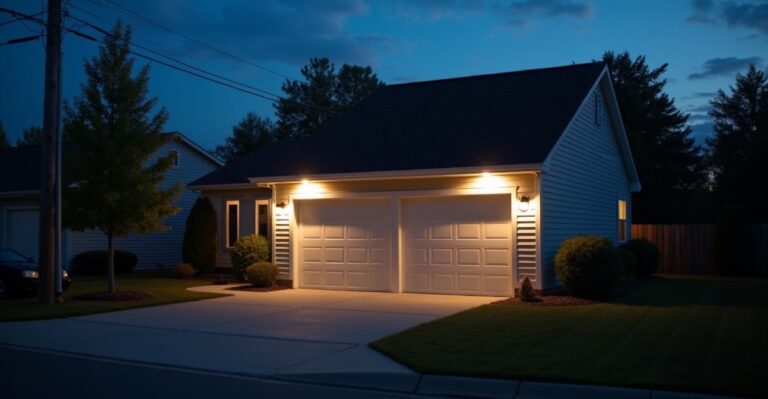
Can smart light bulbs be used outdoors?
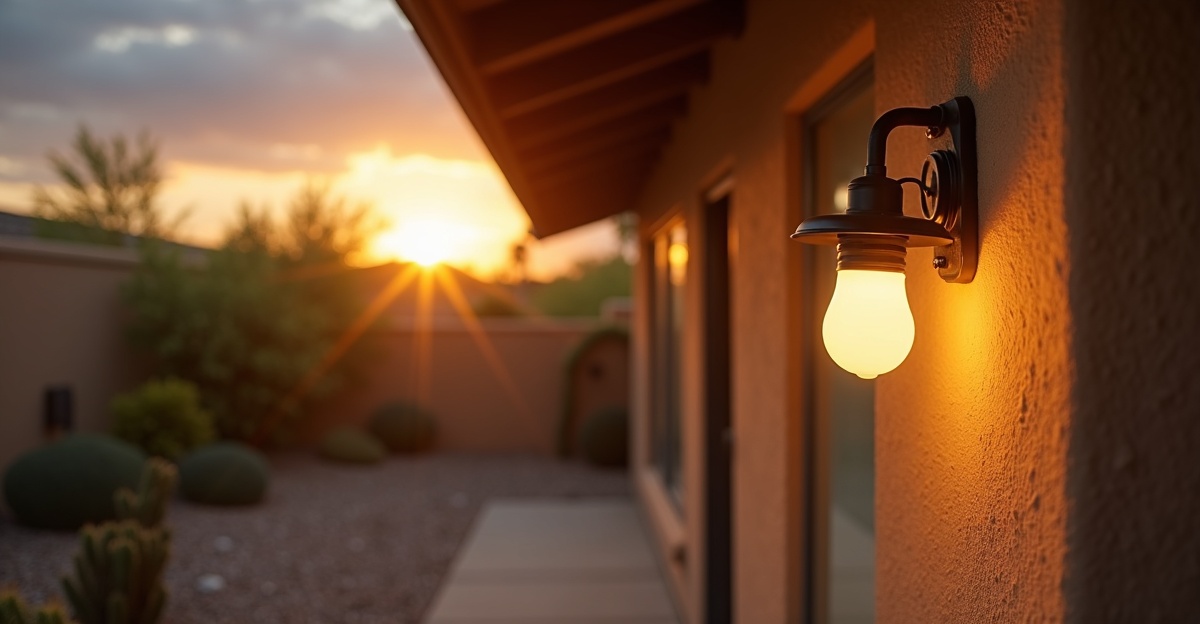
We can use outdoor smart bulbs outside, but we must match the bulb to the conditions it will face. In areas with intense heat, strong UV exposure, heavy dust, and monsoon rain, the correct IP rating, proper fixture setup, and long-term durability determine whether lighting performs consistently or fails early.
Key Takeaways
- Standard indoor smart bulbs are not built for moisture, dust, or extreme temperatures and should not be used in exposed outdoor fixtures.
- Outdoor-rated bulbs include sealed housings and IP ratings that indicate protection against dust and water, but temperature limits still apply.
- Arizona heat, UV rays, dust storms, and monsoons can shorten bulb lifespan and affect connectivity if products aren’t properly rated.
- Covered fixtures, GFCI protection, and following manufacturer guidelines improve safety and long-term performance.
- Permanent outdoor smart lighting systems offer greater durability, lower maintenance, and a cleaner look for year-round reliability.
We avoid using standard indoor smart bulbs in exposed outdoor fixtures. Those bulbs lack sealing against moisture and dust. Heat buildup can also damage their internal components. Even if they work at first, failure often comes quickly in extreme conditions.
Outdoor-rated smart bulbs include sealed housings and carry IP ratings that define their level of dust and water resistance. We always check both the IP rating and the operating temperature range. An IP65 rating, for example, protects against dust and water spray, but it does not guarantee performance in extreme heat. Temperature limits still control long-term reliability.
Arizona-style climates push lighting systems hard. Intense sun exposure degrades plastic lenses and seals. High ambient temperatures stress electronic drivers and Wi-Fi radios. Dust storms can infiltrate weak seals. Monsoon rains test gaskets and fixture drainage. We choose products rated for high heat and wet conditions to reduce service calls and early replacements.
Proper installation improves performance. We install bulbs inside covered fixtures whenever possible. We use GFCI-protected circuits to reduce electrical risk. We also follow manufacturer spacing and enclosure guidelines to prevent overheating. These steps extend lifespan and protect connected systems.
For homeowners who want consistent year-round results, we often recommend permanent outdoor smart lighting systems. These systems use components built specifically for exterior use. They handle extreme weather better and require less upkeep. A professionally installed permanent solution also delivers a cleaner appearance with fewer exposed bulbs and cords.
With the right product selection and installation approach, outdoor smart lighting performs reliably even in demanding climates.
What You Need to Know Before Putting Smart Bulbs Outside
Outdoor smart bulbs can be used outside, but only if they’re built and installed for the conditions they’ll face. Performance depends on the bulb’s rating, the fixture type, and how much Arizona heat, dust, and monsoon rain it must handle.
There isn’t a simple yes or no answer to “can smart bulbs be used outside.” Conditions matter. In Arizona, summer temperatures often push past 110°F. Add intense sun, blowing dust, and sudden storms, and the decision becomes less about whether the bulb turns on and more about how long it will last safely.
We want to think in three categories:
- Standard indoor smart bulbs
- Outdoor rated smart bulbs
- Permanent outdoor smart lighting systems
Indoor bulbs are made for climate-controlled spaces. Outdoor rated smart bulbs are sealed and tested for weather exposure. Permanent systems use low-voltage components, sealed housings, and professional installation to handle harsh climates over the long run.
Smart lights for Arizona heat must deal with UV exposure and quick temperature swings. A fixture that feels fine at sunset might still be holding heat from a 115°F afternoon. Electronics don’t love that kind of stress.
The real decision comes down to safety, durability, convenience, and reliability. If we want lights that work every night without worry, we need to look beyond basic compatibility and study how they’ll hold up month after month.
Indoor vs. Outdoor Rated: The Differences That Really Matter
Indoor smart bulbs and weatherproof smart light bulbs may look similar, but they’re built differently from the inside out.
Standard indoor bulbs assume dry air and moderate temperatures. They usually lack the seals and gaskets needed to keep out water and dust. Using one in an exposed exterior socket, especially during monsoon season, is a risk we shouldn’t take.
Outdoor rated smart bulbs are built with sealed housings that resist moisture and debris. Even so, manufacturers list maximum and minimum operating temperatures. Those limits matter. Once a bulb exceeds its rated temperature, lifespan can drop fast.
Understanding IP rating outdoor lighting helps us choose correctly. IP stands for “Ingress Protection.” The first digit measures protection against solids like dust. The second measures protection against water.
For example:
- IP44: Protected against solid objects over 1 mm and splashing water. Suitable for covered exterior areas.
- IP65: Dust-tight and protected against water jets. Better for more exposed locations.
Higher numbers generally mean better protection, but they don’t override temperature limits.
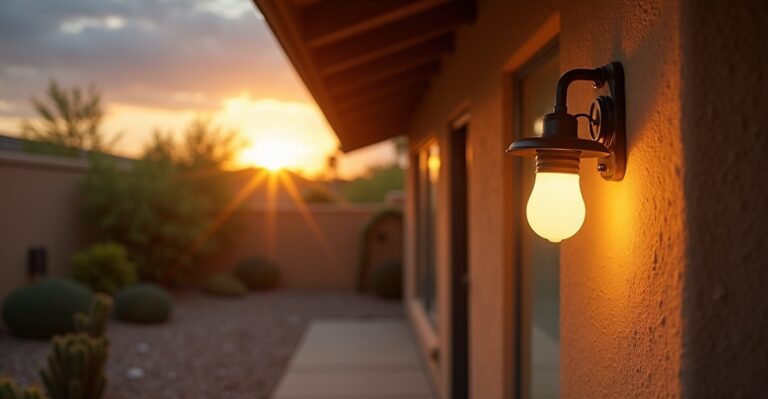
Fixture type also plays a big role. Many outdoor rated smart bulbs still require enclosed fixtures. A covered lantern or recessed housing adds another layer of defense against wind-driven rain and debris.
We also can’t ignore electrical setup. Wattage limits must match the fixture. Outdoor circuits should use GFCI outlets for safety. Overloading a fixture or ignoring manufacturer guidelines can create overheating, tripped breakers, or worse.
Placing an indoor bulb in an unsealed exterior socket may work on a calm spring evening. During a July dust storm followed by heavy rain, it’s a different story.
How Arizona’s Heat, Sun, Dust, and Monsoons Impact Performance
Arizona presents unique challenges for smart home outdoor lighting systems.
Extreme heat is the first concern. When temperatures reach 110°F or higher, enclosed fixtures can get even hotter. That trapped heat stresses internal chips and wireless components. Over time, smart lights for Arizona heat may flicker, drop offline, or fail earlier than expected.
UV exposure creates another issue. Prolonged sunlight can weaken plastic housings and rubber seals. As materials degrade, moisture and dust can slip inside.
Dust storms add a fine, gritty layer that settles into sockets and connection points. Even small amounts of buildup can interfere with proper contact. Connectivity may suffer as well. Wi-Fi signals weaken as they pass through stucco, brick, and block walls, which are common in Arizona construction.
Monsoons mix wind, rain, and sudden temperature changes. Rapid cooling after extreme heat can stress seals and electronic boards. Repeated cycles increase wear.
Those interested in permanent systems often review how permanent outdoor lights handle heat and how permanent lighting handles monsoon weather before making a decision. That research helps set realistic expectations.
Even with well-rated bulbs, we should expect some replacement over time in harsh climates. App performance can also slow during peak heat if devices overheat or lose signal strength.
Planning for Arizona conditions upfront saves frustration later.
Safety, Fixture Setup, and Common Mistakes to Avoid
Covered fixtures are frequently recommended for smart bulbs outdoors unless the bulb is specifically rated for direct exposure. The extra protection reduces moisture intrusion and heat stress.
Smart bulbs can fail in extreme heat if temperatures exceed their listed rating. Internal electronics are sensitive. A bulb may still power on after overheating, but repeated stress shortens its life.
Moisture protection is critical. Fixtures should seal tightly. We should check for UL or ETL listings to confirm they meet safety standards. Outdoor outlets should be GFCI protected to reduce shock risk.
Another common issue is corrosion. Metal fixtures can rust or corrode with repeated rain and humidity. Corroded contacts create inconsistent power flow, which affects smart connectivity and performance.
Oversimplifying the decision often leads to trouble. Just because a bulb screws in doesn’t mean it’s ready for 115°F heat and monsoon winds. Manufacturer instructions exist for a reason. Ignoring them increases the chance of electrical issues or premature failure.
Safety and longevity go hand in hand. A properly rated bulb in the right fixture will last longer and operate more reliably.
Temporary Bulb Swaps vs. Permanent Outdoor Smart Lighting
Temporary outdoor smart bulb setups appeal to many homeowners. They’re relatively affordable upfront and easy to install in existing fixtures. For covered patios or porches, this approach can work well.
Still, permanent outdoor smart lighting offers advantages that become clear over time.
Cost is often the first comparison. Smart bulbs usually cost less at the start. A professionally installed permanent outdoor smart lighting system requires a larger initial investment. However, the permanent option often reduces ongoing replacement and maintenance.
Durability in Arizona’s climate is another difference. Permanent systems use low-voltage wiring, sealed housings, and components placed out of direct exposure. Many homeowners explore the best permanent outdoor lights for year-round beauty to see how these systems blend into architecture while standing up to harsh weather.
Customization and automation also expand with permanent systems. Color changes, dimming schedules, security lighting scenes, and holiday themes can all live in one integrated setup. Our smart holiday lighting solutions remove the need for annual ladder climbs and tangled extension cords.
Maintenance shifts as well. Swapping bulbs every season or after heat damage takes time and effort. Permanent year-round outdoor lighting minimizes that cycle.
Aesthetics matter, too. Exposed bulbs may feel bulky or temporary. Discreet under eave lighting or subtle outdoor accent lighting integrates into the roofline and architectural features. The effect looks intentional, clean, and polished.
Businesses see added benefits. Programmable commercial outdoor smart lighting supports branding, improves nighttime visibility, and allows quick color changes for events or promotions.
Many property owners also consider how smart lighting supports safety. Thoughtful placement and automation can improve visibility around entries and walkways. For more insight, it helps to read about smart outdoor lights and home security.
The right choice depends on priorities. Short-term flexibility works for some. Long-term reliability and seamless design appeal to others.
How to Decide What’s Right for Your Home or Business
If we already have covered exterior fixtures and want short-term flexibility, outdoor rated smart bulbs can be a practical option. They’re simple to install and easy to swap.
If we prefer a low-maintenance, heat-resistant system that blends into the architecture and runs year after year, permanent outdoor smart lighting may be the better long-term investment.
We should think about convenience. Climbing a ladder every season gets old fast. We should consider curb appeal. Clean, integrated lighting can reshape how a home or storefront looks after sunset. Safety deserves attention as well, especially around driveways, entries, and gathering areas.
Local climate knowledge makes a difference. Installing lighting in Arizona requires understanding heat loads, sun exposure, dust, and storm patterns. Professional installation ensures proper sealing, wiring, and programming for dependable performance.
For those weighing options and comparing outdoor smart bulbs against a permanent system, a conversation helps clarify the best fit. We’re always ready to share what works in Arizona and what doesn’t. When a dependable, professionally installed solution sounds right, we can connect through our contact page and explore a lighting plan built for our conditions and our goals.
Frequently Asked Questions
Outdoor smart bulbs can sometimes be used in uncovered fixtures, but only if they have a high weather-resistance rating. Bulbs with ratings like IP65 are designed to resist dust and direct water spray. Even then, extreme sun, wind-driven rain, and temperature swings can shorten lifespan. When possible, installing the bulb in a covered or partially enclosed fixture helps protect internal electronics and improve long-term reliability.
Outdoor smart bulbs should typically have at least an IP44 rating for covered outdoor areas and IP65 for more exposed locations. The IP rating indicates protection against dust and water. The first number represents resistance to solid particles like dust, while the second measures water protection. Higher ratings provide stronger protection, but they do not replace temperature limits listed by the manufacturer.
Outdoor smart bulbs can operate in hot climates, but only within their rated temperature range. Excessive heat can stress internal drivers, wireless chips, and LED components. When fixtures trap heat, temperatures can exceed outdoor air levels and reduce bulb lifespan. Choosing bulbs rated for higher operating temperatures and installing them in ventilated or shaded fixtures helps maintain consistent performance.
Regular indoor smart bulbs may work outside temporarily in dry, covered areas, but they are not designed for outdoor exposure. Indoor bulbs usually lack sealed housings that protect against moisture, dust, and temperature swings. Even brief exposure to humidity or rain can damage electronics. For safety and reliability, outdoor-rated smart bulbs are always the better option.
Permanent outdoor smart lighting systems are often more durable than standard outdoor smart bulbs. These systems typically use low-voltage wiring, sealed components, and fixtures designed for long-term exterior exposure. They handle harsh weather, heat, and moisture more effectively. While the upfront cost is higher, permanent installations usually require less maintenance and provide a cleaner, more integrated lighting appearance.