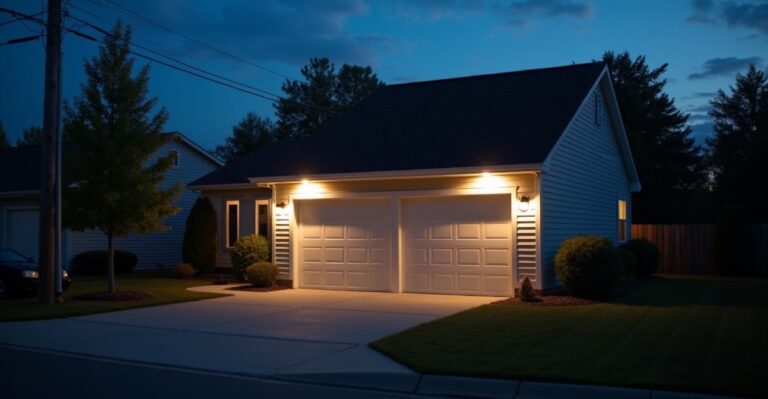
Do you need an electrician to install smart lights?
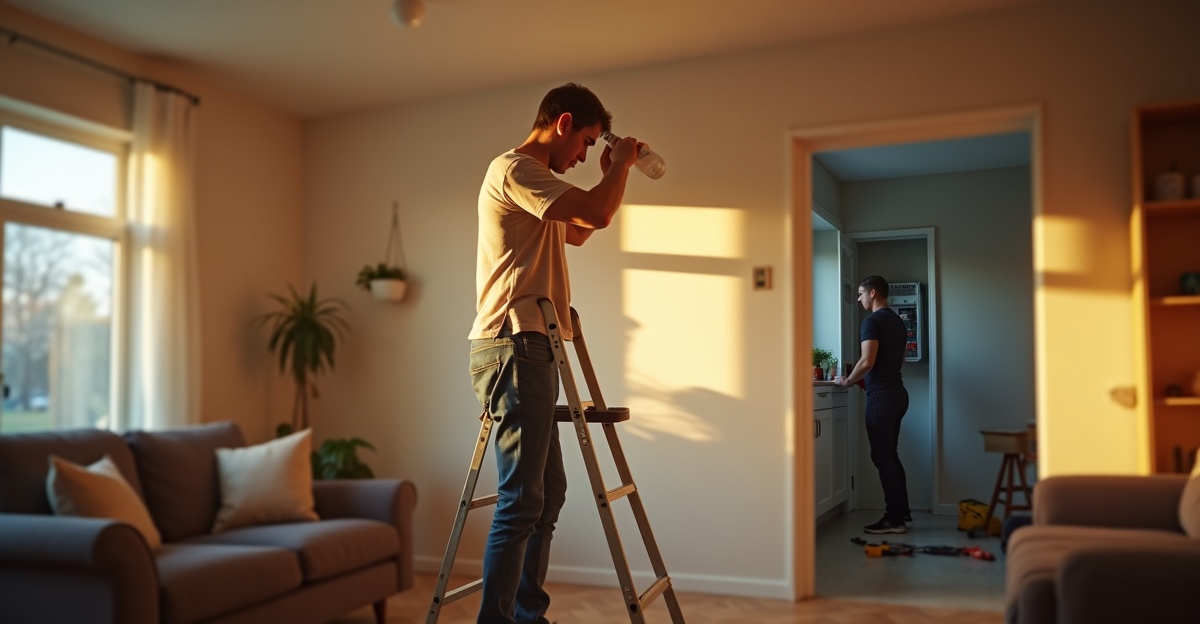
Smart lighting installation doesn’t always require a licensed electrician. The right choice depends on whether we use a plug-and-play system or a setup wired directly into a home’s electrical system. Simple upgrades like smart bulbs often work well as DIY projects. Permanent exterior lighting, panel connections, and code-regulated work usually call for professional expertise to protect safety, warranties, and long-term reliability.
Key Takeaways
- Plug-and-play smart bulbs and smart plugs usually don’t require an electrician if we don’t change any wiring.
- Hardwired systems, new circuits, panel upgrades, and permanent exterior lighting often require a licensed electrician and may be legally required.
- Outdoor installations on rooflines, stucco, or brick demand secure mounting and weatherproof connections that withstand heat, UV exposure, and storms.
- DIY installs reduce upfront costs but increase risk if we lack experience with wiring or electrical codes.
- Professional installation delivers safer connections, meets code requirements, protects warranties, and ensures reliable performance over time.
When You Do—and Don’t—Need an Electrician for Smart Lighting Installation
A licensed electrician isn’t always required for smart lighting installation. The real answer depends on what kind of system is being installed and how it connects to the home.
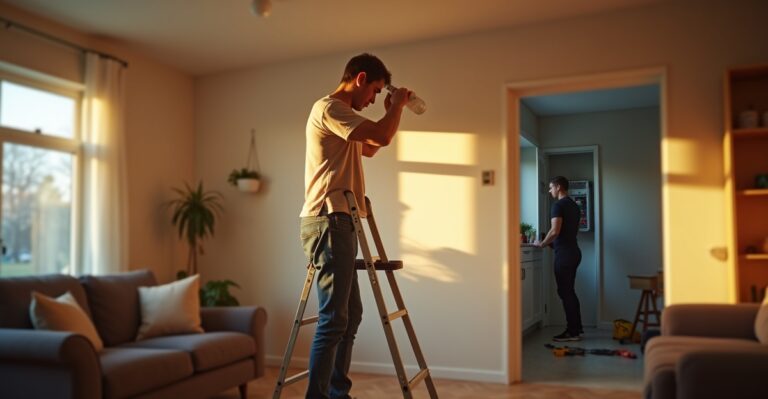
Many plug-and-play products work perfectly for DIY smart light installation. Smart bulbs and smart plugs usually twist into an existing socket or plug into a standard outlet. These simple upgrades work well in bedrooms, offices, and living rooms where no wiring changes are needed.
The conversation changes once wiring, rooflines, or permanent exterior systems enter the picture. A licensed electrician for lighting is strongly recommended—and sometimes legally required—when installing a hardwired smart lighting system, adding new circuits, upgrading an electrical panel, or setting up permanent outdoor lighting. Any smart home lighting installation that ties directly into existing electrical infrastructure deserves professional attention to protect safety, warranties, and long-term reliability.
The Type of Smart Lighting Makes All the Difference
Smart lighting isn’t one-size-fits-all. The equipment involved determines whether DIY makes sense or whether bringing in a professional is the smarter move.
DIY-Friendly Smart Lighting Options
Some products are built for easy upgrades:
- Smart bulbs and smart plugs screw into existing fixtures or plug into outlets. They’re ideal for lamps, small rooms, or testing out automation without modifying wiring.
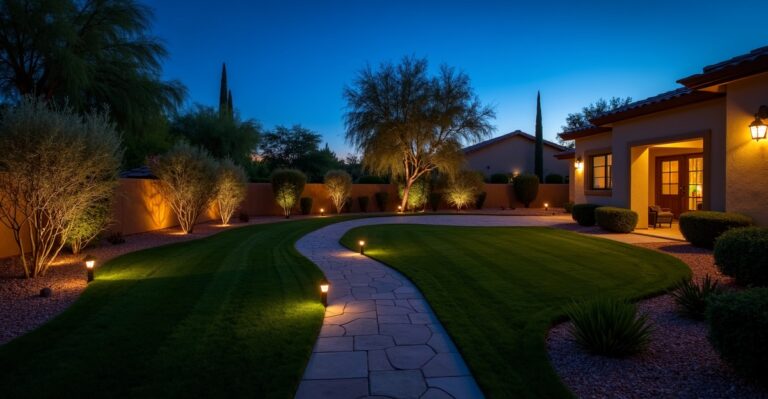
- Low-voltage landscape lighting systems can also be DIY-friendly. With proper transformer sizing and weather-rated components, many homeowners handle LED smart light installation in gardens and pathways. Safe connections and weather protection still matter.
- Smart switches and dimmers fall into a gray area. They replace existing wall switches and require turning off breakers and identifying line, load, and neutral wires. If there’s any uncertainty about wiring, hiring a licensed electrician for lighting is the safest choice.
Systems That Typically Require a Professional
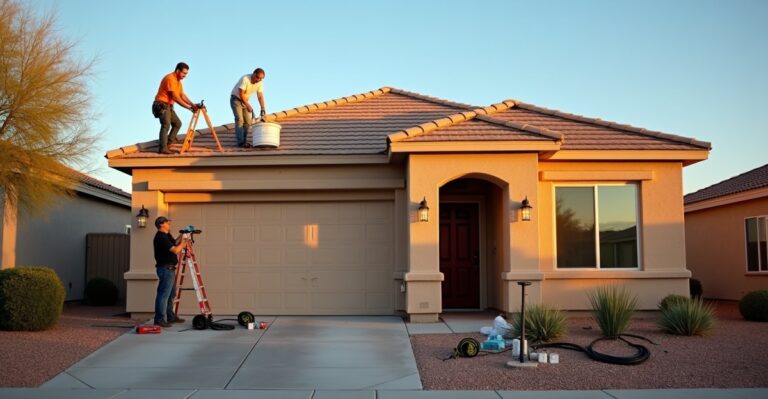
Permanent, hardwired exterior systems are a different category. These installations often involve mounting along rooflines, soffits, or masonry and connecting directly to household circuits.
A permanent smart lighting or hardwired smart lighting system usually includes:
- Roofline or soffit mounting at height
- Secure attachment to stucco, brick, or fascia
- Direct connection to electrical circuits
- Weatherproofing for year-round exposure
This type of outdoor smart lighting installation isn’t a weekend project. It requires precise mounting, solid electrical connections, and careful planning. For example, installing along stucco requires specific techniques, which are explained in permanent lights on stucco homes. Brick homes also need specialized methods to avoid damage, as covered in permanent lighting on brick homes.
When systems become fully integrated into a property, professional smart home lighting installation becomes the safest and most dependable path.
Safety, Code, and Arizona-Specific Considerations You Can’t Ignore
Electricity deserves respect. Any project involving new wiring, direct connections to an electrical panel, or structural mounting should involve a professional.
Improper installation can create fire and shock hazards and may void product warranties. In many cases, work that ties into existing circuits must meet Arizona electrical code lighting requirements and may legally require a licensed electrician.
Exterior outdoor smart lighting installation may require permits depending on the scope. Local codes exist to protect both property and people.
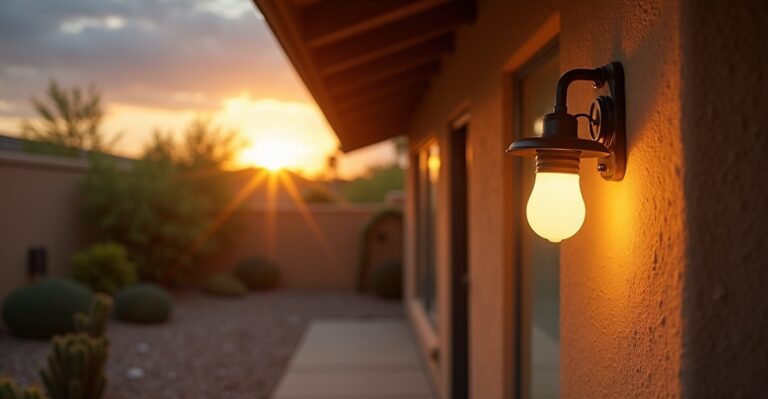
Arizona’s climate adds another layer of complexity. Extreme heat can shorten product lifespan if components aren’t rated correctly. UV exposure breaks down cheap materials. Monsoon storms demand secure mounting and weatherproof connections that won’t fail in heavy wind or rain.
Stucco exteriors and tile rooflines require specialized mounting strategies. A careless installation can crack finishes or allow water intrusion. A professional understands how to protect both the lighting system and the structure itself.
If safety is a priority—and it should be—bringing in an experienced installer is often the smartest move.
DIY vs. Professional Installation: Cost, Time, and Risk Compared
Cost plays a big role in the question, “Do I need an electrician for smart lights?” The answer depends on the scale of the project.
DIY smart lighting has a clear advantage in upfront price. Often, the only expense is the product itself. This works well for small indoor upgrades. However, the time investment falls entirely on the homeowner, and if wiring knowledge is limited, risk increases quickly.
Professional smart lighting installation carries higher upfront costs because labor, system calibration, and electrical expertise are included. In return, risk decreases, code compliance is handled, mounting is secure, and connections are protected. Many permanent systems also include warranty support and ongoing service.
The cost to install smart lighting depends on system size, number of fixtures, wiring requirements, mounting height, and whether panel upgrades are needed. A few smart bulbs cost far less than a full permanent smart lighting system running along a two-story roofline. Commercial projects typically cost more, especially when zoning and automation are involved.
That investment often pays off in durability, curb appeal, and convenience. Businesses that use commercial outdoor lighting benefit from consistent branding and well-lit storefronts that shine every night. Homeowners see similar value through residential outdoor lighting that transforms evening gatherings and seasonal displays.
When DIY Makes Sense—and When Hiring a Pro Is the Smarter Investment
Not every project needs a crew and a truck. Simple upgrades often work well as DIY.
DIY makes sense when:
- Installing smart bulbs in lamps or existing fixtures
- Upgrading a single room with plug-and-play devices
- No new wiring, panel work, or exterior mounting is required
Hiring a professional is the better investment when:
- Installing roofline permanent smart lighting
- Replacing switches that involve unfamiliar wiring
- Integrating multiple zones or advanced automation
- Managing smart lighting for businesses or multi-unit properties
- Protecting curb appeal and home value is important
Consider real-life scenarios. Backyard gatherings feel elevated under structured outdoor mood lighting that shifts colors with a tap. Holidays become ladder-free when permanent smart lighting replaces seasonal string lights. Storefront displays stand out with reliable smart lighting for businesses that turns on automatically every evening.
In many cases, permanent systems also reduce long-term hassle. For a closer look at these benefits, review how permanent smart lighting reduces hassle through automation and reliability.
How to Decide What’s Right for Your Home or Business
Smart lighting should simplify daily life, not add stress.
A few practical checkpoints can help guide the decision:
- Is the system temporary or permanent?
- Does it involve new wiring or changes to the electrical panel?
- Are you fully confident working safely around electricity?
- Will this investment improve property value and curb appeal long term?
The goal isn’t just brighter lights. It’s peace of mind. It’s knowing the system will function during storms, heat waves, and holidays without constant adjustments.
For smaller interior upgrades, DIY can work beautifully. For permanent exterior systems or advanced automation, consulting professionals before installing a hardwired smart lighting system often saves time, money, and frustration.
A quick conversation can clarify code requirements, system options, and the realistic cost to install smart lighting for a specific property. If guidance is needed, reaching out for a consultation through expert lighting support can help make the next step clear and confident.
Smart light installation should feel empowering. With the right approach, the result is reliable illumination that brings structure, beauty, and security to every evening.
Frequently Asked Questions
Yes, many smart lighting products can be installed without professional help. Smart bulbs and smart plugs are designed for simple installation and typically only require screwing the bulb into an existing socket or plugging a device into an outlet. However, installations that involve replacing wall switches, modifying wiring, or connecting directly to circuits require electrical knowledge and may be safer when handled by a licensed electrician.
Smart bulbs are plug-and-play devices that replace standard bulbs and connect to apps or voice assistants through Wi-Fi or Bluetooth. Hardwired smart lighting systems connect directly to a home’s electrical wiring and often control multiple fixtures or zones. Because they integrate with existing circuits and sometimes require new wiring, hardwired systems typically need professional smart lighting installation.
Smart lighting can be safely used outdoors when the equipment is designed for exterior conditions. Outdoor systems should include weatherproof fixtures, sealed connections, and components rated for temperature changes, moisture, and UV exposure. Proper mounting and wiring are essential to prevent water intrusion, electrical hazards, and system failure during storms or extreme weather.
The cost of smart lighting installation depends on the system type, number of fixtures, and wiring requirements. Simple upgrades like smart bulbs or plugs may only cost the price of the device. Larger installations—such as hardwired exterior lighting, multi-zone systems, or panel upgrades—can cost significantly more because they include professional labor, electrical work, and system configuration.
You should hire an electrician when the installation involves new wiring, electrical panel connections, switch replacements, or permanent outdoor lighting systems. A licensed professional ensures the system meets electrical codes, reduces safety risks, and protects manufacturer warranties. Professional installation is especially important for roofline lighting, integrated smart home systems, or projects requiring circuit modifications.