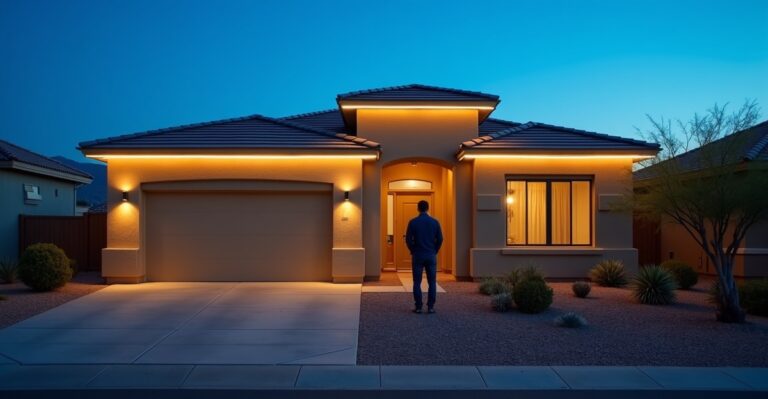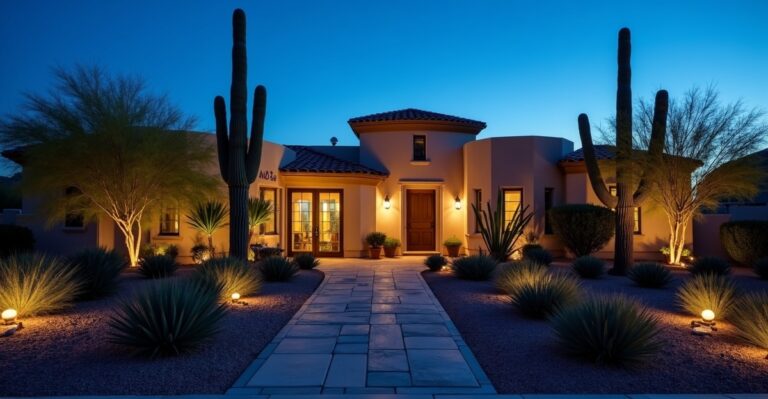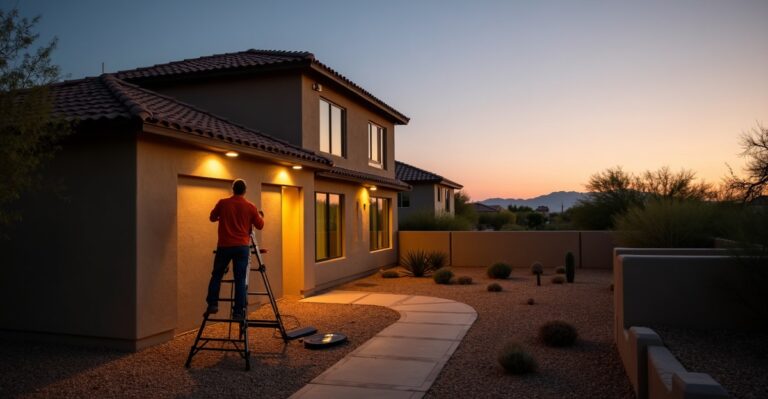
Is Permanent Lighting Safe for Your Roofline?
If you’re considering a smart lighting upgrade, one of the first questions that probably comes to mind is: is permanent lighting safe for roofline installations? It’s a smart concern—after all, your roof protects everything beneath it, and the last thing you want is to compromise it for the sake of style or convenience.
In this article, we’ll break down everything you need to know about how permanent lighting interacts with your roof. Whether you’re worried about damaging tiles, voiding warranties, or dealing with Arizona’s extreme weather, this guide will give you the answers—and peace of mind—you’re looking for.
Here’s what we’ll cover:
- Why Roofline Safety Is a Common Concern
- How Permanent Lighting Is Installed Safely
- Safety Considerations by Roof Type
- How Weather and Climate Affect Lighting Safety
- Smart Lighting, Solar Panels, and Roof Warranties
- Why Professional Installation Matters
Let’s start by looking at why roofline safety is such a big concern for Arizona homeowners.
Why Roofline Safety Is a Common Concern
It’s a question we hear all the time from homeowners like you: “Will permanent lighting damage my roof?”
And it’s a fair concern—your roof is one of the most important and expensive parts of your home. The last thing you want is to compromise it for curb appeal or convenience.
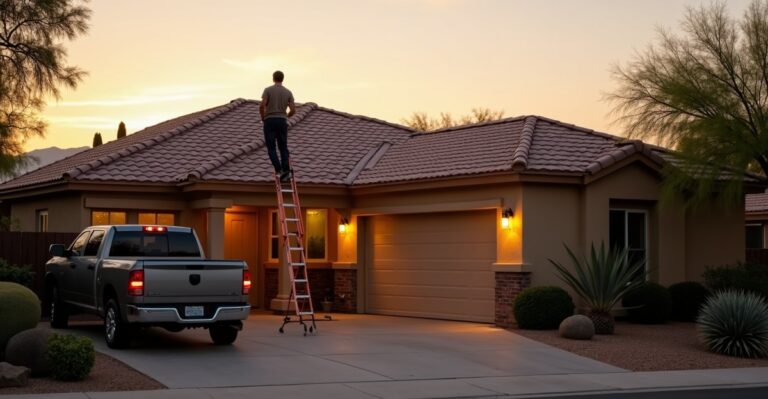
In Arizona especially, this worry makes a lot of sense. Many homes here have tile, asphalt shingle, or flat roof systems that are built to handle sun, not screws. Add in the triple-digit summer heat, monsoon rains, and years of UV exposure, and it’s easy to understand why even a small change—like mounting outdoor lighting—might raise red flags. You might be wondering about leaks, loose tiles, or even whether installing lighting could void your roof warranty.
Here’s the good news: modern permanent lighting systems, when professionally installed, are designed to protect your roof—not put it at risk. At Big Pig Smart Lighting, we understand how to work with Arizona roof types and preserve roof integrity through low-profile, under-eave installations that avoid drilling into vulnerable surfaces. That means no cracked tiles, no lifted shingles, and no unwanted surprises when the weather rolls in.
Key takeaway: If roof damage has been holding you back from upgrading your home’s exterior lighting, you’re not alone—and your concern is valid. But with the right system and the right team, you can brighten your roofline without compromising its safety.
How Permanent Lighting Is Installed Safely
The safety of your roofline doesn’t just come down to the product—it’s all about how it’s installed. Done right, permanent lighting should feel like it’s part of your home’s original design—sleek, secure, and completely non-invasive. That’s why professional installation is key to getting the look you want without putting your roof at risk.
Under-Eave vs On-Roof Mounting
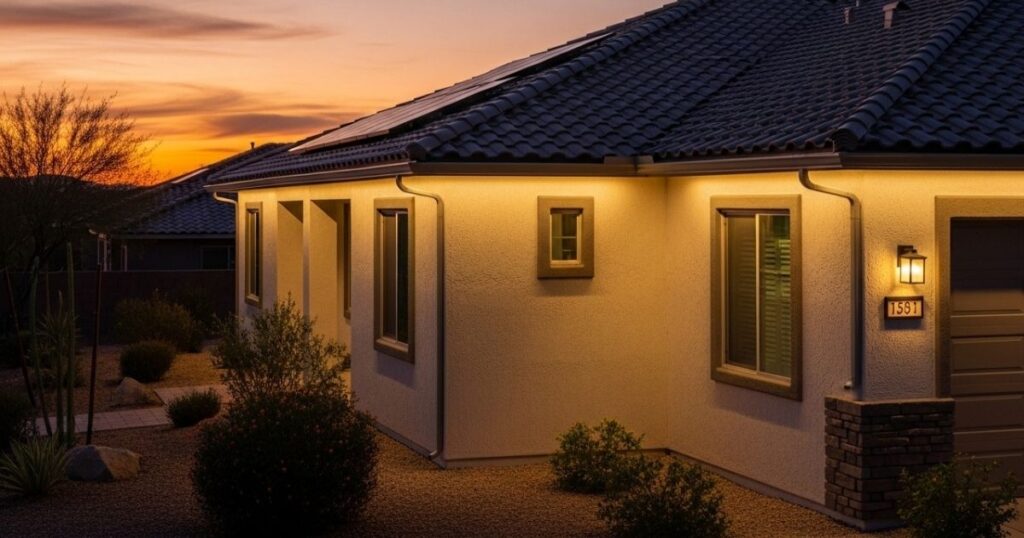
The safest and most effective method is permanent under eave lighting, which hides wiring, avoids direct roof contact, and provides a clean, professional finish with zero visual clutter. Instead of attaching lights directly to shingles or tiles—where damage is more likely—professional installers secure lighting strips beneath the eaves, in the protected space just under your roof’s edge. This approach protects the structural integrity of your roof while keeping the system hidden from view when not in use.
In contrast, on-roof mounting, which often involves adhesives or drilled brackets, increases the risk of leaks, cracks, and long-term wear—especially in Arizona’s extreme climate. At Big Pig, we avoid those methods entirely to ensure a truly roof-safe lighting system.
Gutter-Safe Lighting Mounting Techniques
Another area that requires special attention is your gutters. While it might be tempting to clip lights onto them, this can cause misalignment or even lead to drainage issues over time. Instead, we use custom, gutter-safe mounting techniques that keep your drainage system intact and functioning properly.
By mounting lights to the fascia just behind the gutter—rather than the gutter itself—we preserve the clean lines of your roofline and protect both form and function.
What Makes an Installation ‘Roof-Safe’?
A truly roof-safe lighting installation comes down to a few core principles:
- No penetration of roofing materials like shingles, tile, or underlayment
- Secure, low-profile mounting to the fascia or soffit
- Weather-resistant materials built to handle Arizona’s heat, sun, and monsoons
- Smart layout planning to avoid interfering with gutters, vents, or solar systems
- Expert installers who understand local roof designs and city codes
At Big Pig Smart Lighting, every project starts with a custom assessment of your roofline to determine the safest, cleanest way to install lighting without compromising structure or style.
Key takeaway: Safe lighting starts with smart installation. When planning your setup, consider the top safety considerations for roofline lighting installation: non-invasive under-eave mounting, gutter-friendly brackets, and weather-sealed components—all of which we use to ensure performance without compromising your roof.
Safety Considerations by Roof Type
Not all roofs are built the same—and that means not all lighting installations should be either. Arizona homes feature a variety of roof types, from classic clay tile to modern asphalt shingles and even flat commercial-style surfaces. Each material comes with its own strengths, vulnerabilities, and requirements when it comes to safely adding permanent lighting.
Understanding how lighting interacts with your specific roof type is key to ensuring both performance and protection. Here’s what you need to know:
Safe Lighting for Tile Roofs
Tile roofs—especially clay or concrete—are popular throughout Arizona for their durability and heat resistance. But they’re also fragile. Walking on tile can cause breakage, and drilling into it can lead to cracking or water intrusion.
That’s why professional installers never attach lighting directly to tile surfaces. Instead, we mount systems to the fascia board or under the eaves, completely avoiding the tile itself. This approach offers a clean finish and full safety compliance without compromising the aesthetic appeal of your home.
Pro Tip: Tile roofs benefit the most from low-profile smart lighting that complements their classic look without adding visual clutter.
What About Asphalt Shingles?
Asphalt shingles are more forgiving than tile, but that doesn’t mean they should be tampered with. Puncturing shingles to install lighting can void warranties, open the roof to leaks, and shorten its lifespan.
For homes with shingle roofing, our team uses non-invasive mounting techniques, again focusing on the soffit, fascia, or under-eave areas. These points offer stable, secure anchoring that keeps lighting in place without disturbing the shingle system.
Good to Know: Our systems are engineered to work with permanent lighting for asphalt shingle roofs, ensuring long-term performance without the risk of water damage.
Flat Roof Considerations
Flat or low-slope roofs are more common on commercial properties or some modern-style homes. These roofs often include integrated drainage and HVAC systems, which makes roof surface protection even more critical.
Rather than attaching anything directly to the flat roof surface, lighting is typically installed along the fascia or parapet edges. If no overhang exists, we can design custom mounting brackets that maintain proper water flow and roof integrity.
Bottom line: Flat roofs require custom solutions—but they can be just as lighting-ready with the right approach.
Here’s a quick comparison of safe installation practices by roof type:
| Roof Type | Mounting Location | Notes |
| Tile | Under eave / fascia | Avoid tile contact; use non-penetrating brackets |
| Asphalt Shingle | Soffit / fascia / eave | No drilling into shingles; preserves roof warranty |
| Flat / Low-Slope | Fascia / parapet edge | Custom mounts as needed; avoid surface mounting |
Key takeaway: No matter what type of roof you have, there’s a safe, tailored way to install permanent lighting that protects your home and enhances its beauty. The key is choosing an installer who understands how to work with your roof—not around it.
How Weather and Climate Affect Lighting Safety
Arizona’s weather isn’t just intense—it’s extreme. From blistering summer heatwaves to sudden monsoon storms, your home’s exterior takes a beating year-round. So when you’re thinking about adding permanent lighting, it’s natural to wonder: Can these systems really hold up in this kind of climate?
The short answer is yes—when the system is built for it and installed properly.
Can Lights Withstand Extreme Arizona Heat?
Our desert heat is no joke—while specific home‑roof temperature data varies, lighting and fixture guidance warns that high heat can warp materials, so choosing weather‑resistant lighting for extreme heat is essential. Cheap or poorly made lighting systems can warp, crack, or fade under these conditions—leading to short lifespans and costly repairs.
That’s why Big Pig Smart Lighting uses weather-resistant systems with permanent holiday lights IP rating levels of IP65 or greater—ensuring long-term durability in Arizona’s intense climate. The LEDs, housing materials, and control components are all designed to handle prolonged sun exposure without breaking down or losing performance.
Look For: Products rated for high-temperature operation and UV resistance—these aren’t extras, they’re essentials in our climate.
Are Systems Waterproof and Sealed?
Monsoon season in Arizona brings sudden, heavy downpours, strong winds, and dust storms. That means your roofline lighting must be more than water-resistant—it needs to be sealed tight and securely installed.
We only install waterproof outdoor lighting systems—including permanent Christmas lights IP rating standards of IP65 or higher—fully protected against rain, dust, and debris for year-round reliability. Combine that with precise under-eave mounting and sealed connections, and you’ve got a system built to ride out any storm.
Can Permanent Lights Survive Arizona’s Heat and Monsoons?
Absolutely—if they’re the right system, installed the right way. The key is choosing products designed for the Southwest and a team that knows how to protect your lighting from the elements.
At Big Pig, we take every climate factor into account—sun exposure, roof slope, wind direction, and even gutter drainage—to ensure your lights stay bright, functional, and safe all year long.
Key takeaway: Arizona’s climate demands more from your lighting. With heat-rated, waterproof systems and expert installation, you’ll have year-round brilliance that stands up to sun, storms, and everything in between.
Smart Lighting, Solar Panels, and Roof Warranties
Permanent roofline lighting can transform your home’s appearance—but what about the things you can’t see, like your roof warranty or solar panel system? If you’re like many Arizona homeowners, you’re wondering how smart lighting interacts with other critical components of your roof. Let’s break down the facts so you can make an informed decision without risking your investment.
What If I Have Solar Panels?
Smart roofline lighting and solar panels can absolutely coexist—but the key is planning and coordination. If your panels are already installed, lighting needs to be carefully routed to avoid panel brackets, wiring, and conduit paths. That’s where professional expertise matters most.
At Big Pig, we offer detach and reset services for solar panels when necessary, ensuring your lighting is installed without disrupting energy systems or voiding solar warranties. Our team works in direct coordination with your solar provider or roofing contractor to maintain the performance and safety of both systems.
Pro Tip: Be sure to share your solar panel layout during your consultation so we can design around it from the start.
Will Lights Void My Roof Warranty?
This is one of the most common concerns—and for good reason. Some roofing warranties are voided if components are drilled directly into the roof structure, especially around shingles, tile, or flashing.
The good news? Our roof-mounted lighting systems are designed to avoid any warranty risks. We use non-invasive mounting methods that don’t puncture roofing materials, which is crucial to preserving both manufacturer and labor warranties.
Still, we always recommend that homeowners review their roofing paperwork and, if needed, consult with their roofing contractor before installation. A quick check-in now can prevent warranty headaches later.
When to Talk to Your Roofer
In many cases, especially with newer roofs or unique materials, it’s smart to talk to your roofer before any external additions so you maintain both structural integrity and any warranty coverage. This is particularly important if:
- Your roof is less than 2 years old
- You’ve had solar installed recently
- You’re planning to replace the roof within the next year
- Your warranty includes clauses about third-party attachments
Roofing contractor coordination isn’t just a box to check—it’s a smart step in protecting your roof investment while getting the lighting you want.
What to Ask Your Roofer Before Installing Lights
- Will my current warranty allow for under-eave or fascia-mounted lighting?
- Are there any known problem areas I should avoid attaching to?
- Would you recommend coordination for this installation?
- Can you provide any manufacturer-specific guidance on safe lighting placement?
Key takeaway: Permanent lighting doesn’t have to compete with your solar panels or compromise your roof warranty. With the right communication and expert installation, you can enjoy stunning, roof-safe lighting without sacrificing energy efficiency or peace of mind.
Why Professional Installation Matters
When it comes to permanent lighting, installation isn’t just a step—it’s the foundation of everything. While DIY kits may seem tempting at first glance, cutting corners during installation can lead to costly damage, voided warranties, and safety issues down the line. For something that’s meant to last for years, professional installation isn’t a luxury—it’s a must.
DIY vs Professional: What’s at Stake
DIY lighting often comes with hidden risks. From drilling into shingles and fascia boards to using improper mounting hardware, a simple mistake can result in:
- Roof leaks or structural damage
- Improper wiring or electrical hazards
- Sagging or uneven light lines
- Reduced energy efficiency
- Voided roof or solar warranties
In contrast, professional installers are trained to avoid all of these pitfalls, using the right tools, techniques, and materials for your specific home. That’s especially important for residential lighting systems on high-value homes, where roof integrity and aesthetics are top priorities.
How Big Pig Ensures a Roof-Safe Install
At Big Pig Smart Lighting, we don’t believe in one-size-fits-all. We evaluate each home’s roof type, architectural features, and existing systems to design a custom, low-profile smart lighting installation that enhances your home’s curb appeal without disturbing its structure.
Our team:
- Mounts lighting under the eaves or on fascia—not on shingles or tiles
- Uses non-invasive clips and hardware that protect the roofline
- Seals all components against Arizona’s heat, wind, and rain
- Coordinates with roofing contractors or solar providers when needed
- Ensures a seamless, finished look that blends into your home’s exterior
We treat your home like it’s our own—because we know how much pride you take in it.
Is Professional Installation Better for Long-Term Roof Health?
Absolutely. Professional installation isn’t just about getting the lights up—it’s about protecting what’s underneath. Done correctly, permanent lighting should never compromise your roof. In fact, a professionally installed system can last longer, look cleaner, and require less maintenance over time.
Key takeaway: When you invest in permanent lighting, you’re not just paying for bulbs—you’re paying for peace of mind. With expert installation from Big Pig, your roof stays protected, your home looks beautiful, and your lights shine safely for years to come.
Conclusion: Peace of Mind with a Professional Partner
When installed the right way, permanent roofline lighting is not only safe—it’s one of the smartest and most rewarding upgrades you can make to your home. It adds beauty, boosts security, and eliminates the yearly hassle of hanging lights—all without risking the roof that protects everything underneath.
From Arizona’s blazing heat to the intricacies of tile and shingle roofs, we understand what it takes to deliver stunning results without compromise. At Big Pig Smart Lighting, we specialize in roofline lighting installation that is seamless, secure, and tailored to your specific roof type—so you get long-term performance with zero guesswork.
Whether you’re just starting to explore your options or ready to light up your home, we’re here to guide you every step of the way.
Frequently Asked Questions
Not when installed professionally. At Big Pig Smart Lighting, we use non-invasive mounting methods—like under-eave and fascia attachments—that avoid drilling into shingles, tiles, or other sensitive roofing materials. This preserves your roof’s integrity and keeps warranties intact.
Yes, but only with the right installation approach. Tile roofs are fragile and should never be drilled into or walked on. We use custom mounting systems that attach beneath the eaves or along the fascia, keeping your tile roof untouched and protected while still delivering a stunning lighting effect.
They do! Our systems are designed to integrate seamlessly with solar setups. We coordinate with solar providers when necessary and offer detach and reset services to ensure your lighting is installed without interfering with your solar energy system or voiding its warranty.
Absolutely. We only use weather-resistant lighting systems rated for high-temperature environments like Arizona. Our fixtures and materials are built to withstand direct sun exposure, UV rays, and the state’s famously intense summers—without warping, fading, or failing.
It depends on how it’s installed. Improper DIY methods can put your roof warranty and even your insurance coverage at risk. But with professional, non-penetrating installation, like the kind Big Pig provides, your roof remains protected and compliant with most manufacturer and insurance guidelines.