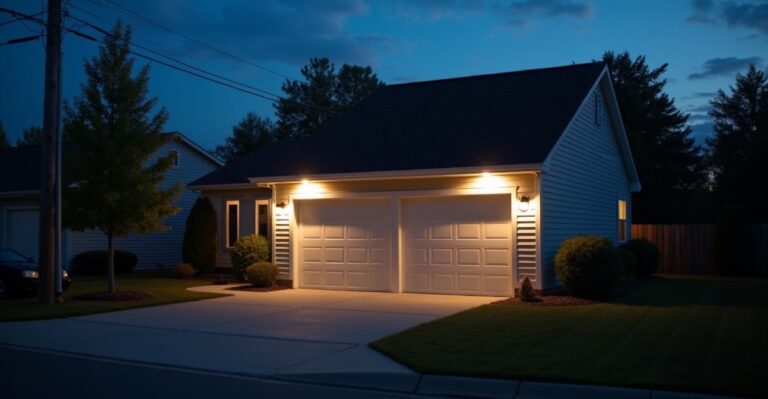
Are solar or wired landscape lights better?
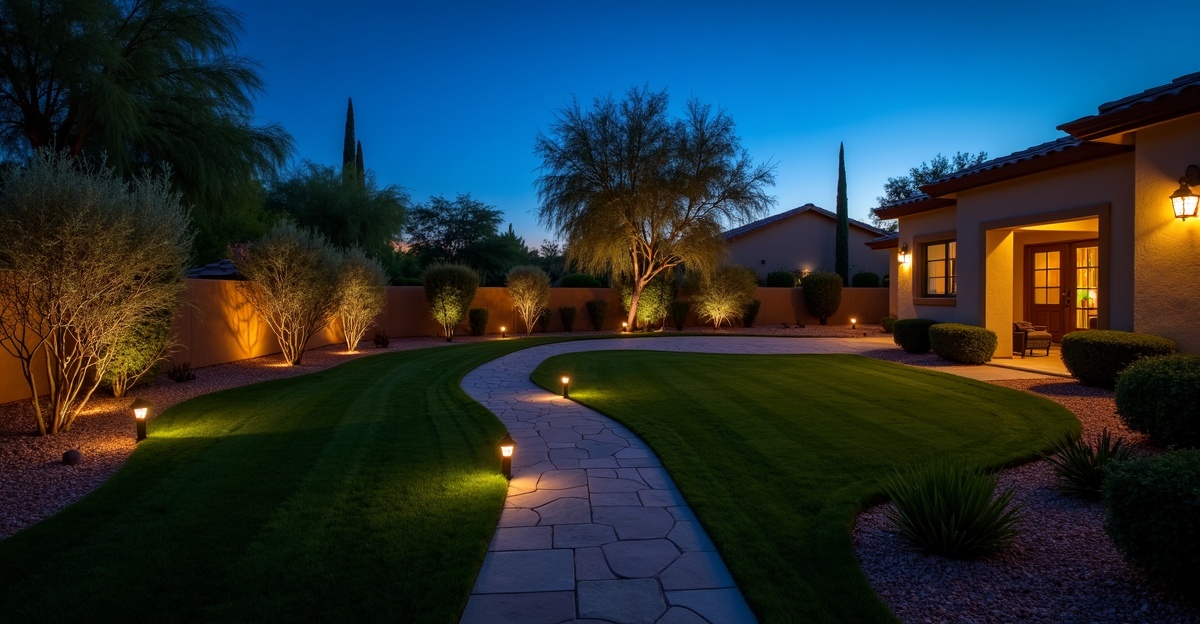
When we compare solar vs wired landscape lighting, the real question is how much reliability, brightness, and long-term value we want from our outdoor space. Solar lights give us lower upfront costs and simple installation. Wired systems deliver stronger, more consistent performance, longer lifespan, and greater control—especially on larger properties and in harsh climates like Arizona.
Key Takeaways
- Wired landscape lighting gives us consistent brightness, smart control options, and dependable nightly performance, while solar systems rely on daily sun exposure and battery condition.
- Solar lights cost less upfront and work well for DIY installation, but battery replacements and fixture wear can increase long-term expenses.
- Wired LED systems often last 10–20 years, compared to 2–5 years for most solar fixtures, especially in extreme heat.
- Solar works best for small gardens, accent features, and areas with full sun, while wired systems support driveways, large yards, and business storefronts more effectively.
- Climate, property size, desired brightness, and customization needs should guide our decision between solar and wired lighting.
Solar vs Wired Landscape Lighting: The Quick Answer Homeowners Want
Solar vs wired landscape lighting comes down to reliability, brightness, control, and long-term value. Both can light up a yard, but they serve different goals and different types of properties.
Here’s the side-by-side snapshot most homeowners look for:
- Reliability: Wired systems deliver consistent performance night after night. Solar depends fully on daily sunlight exposure, clean panels, and healthy batteries. A cloudy week can mean dim paths.
- Brightness (lumens = brightness level): Wired and low voltage systems typically produce higher, steady brightness. That makes them ideal for driveways, larger yards, and storefronts. Solar lights usually give off a softer glow, which works well for small garden accents.
- Control: Wired systems can connect to timers, photocells, or a full smart landscape lighting system. Most solar fixtures turn on at dusk and off at dawn, with limited adjustment.
- Upfront cost: Solar usually costs less to buy and install. Wired requires a bigger initial investment.
- Long-term value: Wired systems often last longer and offer stronger overall performance, especially in larger spaces.
The right choice depends on property size, budget, and how much reliability and control matter for the space.
Solar vs Wired Landscape Lighting Cost Comparison: Upfront vs 5–10 Year Investment
A true landscape lighting cost comparison goes beyond the price tag at the store. It looks at what lighting really costs over five to ten years.
Solar lights have a low upfront purchase cost. Installation is simple and DIY-friendly. There’s no trenching, no transformer, and no professional labor required in most cases.
Wired, or low voltage landscape lighting, costs more at the beginning. Fixtures, wiring, and a transformer are required. Professional landscape lighting installation adds to the initial expense, but it also ensures proper placement and long-term performance.
Over time, total cost of ownership shifts the conversation.
Most solar batteries need replacement every one to two years in hot climates like Arizona. Individual solar fixtures can degrade faster under heavy UV exposure and extreme heat. Plastic housings crack. Panels haze over.
By contrast, many wired LED fixtures are rated for 30,000–50,000 hours. Transformers often last 10–15 years when properly installed. That means fewer replacements and fewer dark spots over time.
Here’s how the two options compare side by side:
- Upfront cost: Solar – Lower | Wired – Higher
- Installation complexity: Solar – Simple DIY | Wired – Professional installation recommended
- Brightness and performance: Solar – Moderate, varies daily | Wired – High, consistent
- Reliability: Solar – Weather dependent | Wired – Consistent nightly operation
- Durability in Arizona heat: Solar – Can degrade faster | Wired – Built for longer-term outdoor use
- Maintenance requirements: Solar – Battery changes and panel cleaning | Wired – Occasional fixture checks
- Lifespan: Solar – 2–5 years typical | Wired – 10–20 years common with upgrades
- Long-term cost of ownership: Solar – Can rise with replacements | Wired – Often lower over time
- Smart controls and customization: Solar – Limited | Wired – Timers, zoning, app control
- Best use cases: Solar – Small gardens, temporary setups | Wired – Driveways, large yards, business fronts
When homeowners look at the full picture, many choose wired for long-term stability. Fewer replacements mean fewer weekends troubleshooting. Fewer dim spots mean a cleaner, more polished look every night.
For those who want consistency without seasonal installs, permanent outdoor lighting becomes an even stronger investment. We break down the differences in this guide on how permanent lights compare to landscape lights.
Performance and Durability in Arizona’s Extreme Climate
Solar landscape lighting in Arizona faces real environmental stress. Summers push past 110°F. UV exposure is intense. Monsoon storms bring dust, heavy rain, and strong wind.
Heat affects battery life. Extreme temperatures can shorten charge cycles and reduce overall capacity. Over time, plastic components may fade or become brittle.
Dust buildup also matters. If solar panels collect dirt during monsoon season, charging drops. Shaded patios, mature trees, and covered walkways further reduce daily sunlight exposure. During stormy weeks, performance can dip sharply.
For homeowners looking for the best landscape lighting for hot climates, wired systems often hold up better.
Professionally installed low-voltage wiring is buried at proper depth and protected. Weather-rated fixtures and sealed connections resist dust and moisture. That means more dependable performance during storms and heat waves.
Consider three real examples:
- A large estate with a long driveway needs steady, bright light every night. Solar may struggle to deliver consistent brightness across that distance.
- A small business storefront depends on dependable nightly visibility. Flickering or dim patches send the wrong message after hours.
- A shaded garden pathway under mature trees may never get enough sun for reliable charging.
Solar isn’t useless. In open areas with full sun, it can work well for light accents. But Arizona’s climate rewards systems built for endurance.
Brightness, Control, and Everyday Experience
Solar vs low voltage lighting feels very different once installed.
Lumens measure brightness level. Solar fixtures often sit on the lower end. They create a soft glow. That’s great for outlining a flower bed or adding subtle charm to a low-traffic path.
Wired systems provide consistent, customizable brightness. Driveways look clearly defined. Patios feel usable at night. Architectural features stand out with intention.
For homeowners who want to understand what is accent lighting, wired systems offer far more flexibility. We can highlight palms against a desert sunset or wash warm light across a textured stone wall.
Control also changes the experience.
Solar lights typically turn on automatically at dusk and off at dawn. That simplicity works, but it leaves little room for adjustment.
Wired systems can connect to timers, photocells, zoned lighting, and app-based control. A smart landscape lighting system lets us adjust schedules, dim levels, and even colors from a phone. Homeowners can set warm driveway lighting to welcome guests or switch to festive colors for holidays without climbing a ladder.
Those looking to elevate curb appeal often explore smart outdoor lighting to boost curb appeal. The shift from basic illumination to intentional design is dramatic.
Permanent outdoor lighting blends modern control with everyday ease. It eliminates seasonal setup and creates a polished look year-round.
Maintenance and Lifespan: What You’ll Actually Deal With
Landscape lighting maintenance differs more than most expect.
Solar landscape lights pros and cons are clear once they’ve been installed for a few seasons:
- Pros: Easy installation, portable, no wiring required.
- Cons: Battery replacement, dimming over time, weather-related failures, shorter overall lifespan.
Panel cleaning becomes part of routine yard work. Corroded battery compartments may need attention. Entire fixtures sometimes get replaced after just a few summers.
Wired landscape lighting pros and cons tell a different story:
- Pros: Stable performance, longer lifespan, fewer fixture replacements, expandable over time.
- Cons: Higher upfront cost, requires installation planning.
Troubleshooting usually involves checking a connection or adjusting a fixture. Major replacements are less common with quality components.
Most solar units last around 2–5 years, depending on build quality and climate. Professionally installed wired systems often last 10–20 years, with fixture upgrades as styles evolve.
Proper transformer placement and weather-rated components make a real difference. That’s why many homeowners choose professional installation for long-term reliability.
Best for Your Property Type + Common Questions Homeowners Ask
Here’s where each option fits best:
- A budget-conscious DIY homeowner testing lighting in a small garden bed often does well with solar.
- A remote area without nearby power access can also favor solar.
- A large yard, long driveway, or luxury home typically benefits from wired or low voltage landscape lighting.
- A small business storefront needing dependable nightly visibility almost always leans wired. Commercial spaces often rely on commercial outdoor lighting for consistent performance.
- Homeowners wanting app control and year-round flexibility often choose permanent outdoor lighting with smart controls.
Frequently Asked Questions
Wired landscape lighting is generally more reliable because it receives consistent power from a transformer instead of depending on sunlight. Solar lights rely on daily sun exposure and battery condition, which can reduce brightness after cloudy days or in shaded areas. For properties that need dependable nightly illumination—such as driveways, large yards, or commercial spaces—wired systems typically deliver more consistent performance.
Solar landscape lights usually last around 2–5 years, depending on build quality, battery lifespan, and climate conditions. Batteries often require replacement every one to two years. Wired LED landscape lighting systems can last 10–20 years because they use durable fixtures and long-life LED bulbs rated for tens of thousands of hours. This longer lifespan often makes wired systems more cost-effective over time.
Solar landscape lights typically cost less upfront because they do not require wiring, transformers, or professional installation. However, long-term costs can increase due to battery replacements, panel cleaning, and fixture wear. Wired landscape lighting has a higher initial installation cost but usually requires fewer replacements, making it a better long-term investment for larger properties.
Solar landscape lighting works best for small gardens, decorative accents, or areas far from electrical power. It is ideal for homeowners who want a simple DIY installation and subtle lighting along short paths or flower beds. Solar fixtures perform best in locations with full sun exposure and minimal shade throughout the day.
Yes, many wired landscape lighting systems can integrate with smart lighting controls. These systems may include timers, photocells, zoning controls, and smartphone apps that allow users to adjust schedules, brightness levels, and sometimes color settings. Smart landscape lighting makes it easier to automate outdoor lighting and customize the appearance of a property at night.