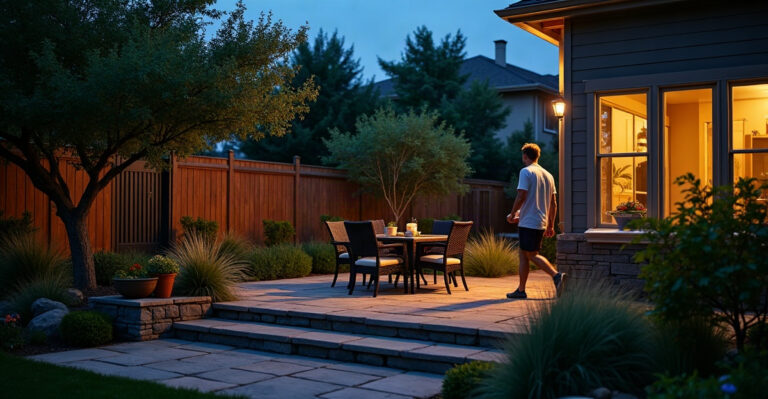
What Is Accent Lighting? A Homeowner’s Guide
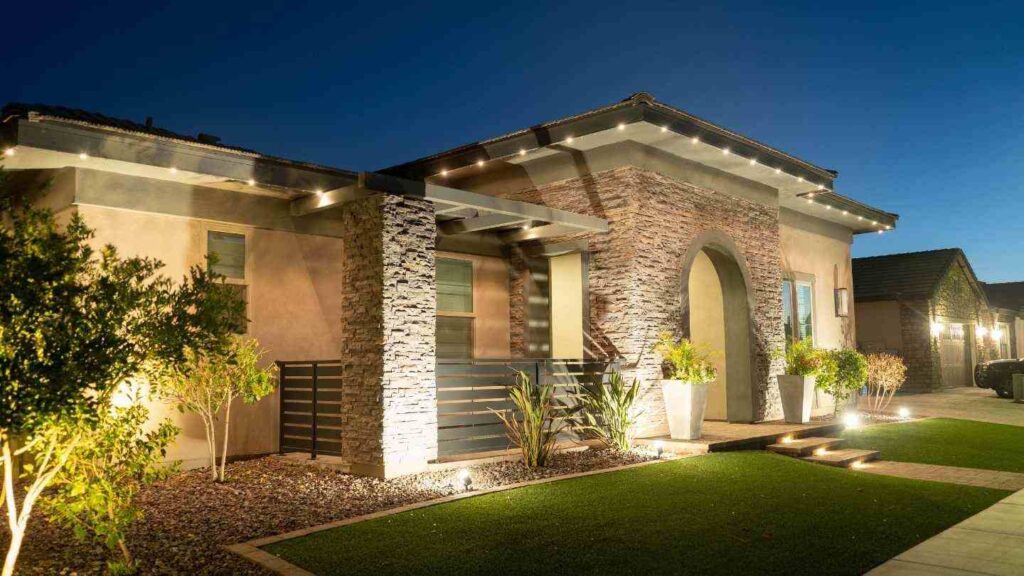
What is accent lighting? Accent lighting is a focused light source used to draw attention to a specific object or area. It adds visual interest and depth. It can also make artwork, sculptures, landscaping, or architectural features stand out.
Big Pig Smart Lighting provides outdoor lighting solutions that can help highlight the best features of a property. Well-placed accent lights can bring attention to trees, walls, gardens, pathways, and other outdoor details after dark.
What Is the Definition of Accent Lighting?
The accent lighting definition is simple. It is light used to draw attention to one feature. If you ask what is accent lighting, think of a light that helps one item stand out. It does not need to light the whole space. The accent lighting meaning is also about focus. General lighting spreads light across a wide area. Accent lighting points light toward a smaller area. This can add depth and make a feature easier to notice.
What are accent lights?
So, what are accent lights? They are lights placed or aimed at a chosen feature. The fixture can vary based on the space and the desired look. For example, a spotlight can point at a tree. Light can wash across a stone or textured wall. A small fixture can highlight artwork. Light under a shelf can draw attention to items on display. Outdoors, a focused light can highlight plants or other landscape features.
What is accent lighting used for?
If you wonder what is accent lighting used for, the main goal is to create focus. It can guide the eye toward a feature you want people to see. A simple accent light definition is light that gives extra attention to one area. The definition of accent lighting does not limit it to one fixture type. Many types of lights can serve this purpose. Accent lights can also work with permanent outdoor lighting. Together, they can highlight trees, walls, gardens, and other outdoor features after dark.
What Are Accent Lights and What Are They Used For?
If you ask what are accent lights, they are lights that draw attention to a chosen feature. The term describes what the light does. It does not refer to just one type of fixture. Spotlights, wall lights, recessed lights, and LED strips can all serve as accent lights.
So, what is accent lighting used for? It can make certain parts of a space stand out. It can highlight trees, walls, plants, signs, art, or building details. Can also add depth and help shape the look of a space.
The accent lighting meaning is easy to understand. It uses focused light instead of lighting a whole area. This simple accent lighting definition helps explain what is accent lighting and how it differs from general light. A basic accent light definition is a light used to draw the eye to a feature. The definition of accent lighting can apply to many fixture types.
Spotlights
Spotlights send a focused beam toward one area. They can highlight a tree, plant, sculpture, sign, or building detail. Their narrow focus makes them useful when one feature needs more attention.
Wall and Directional Lights
Wall lights can add shape and depth to a surface. Directional lights can point toward stone, brick, columns, plants, or art. Good placement can also show texture and create contrast.
Recessed and LED Lights
Recessed lights offer a clean look and can point toward selected areas. LED strips can fit under shelves, steps, edges, or eaves. They can also follow building lines.
Creating Depth and Focal Points
Accent lights can guide the eye toward key features. Different light levels can keep a space from looking flat. They can also support residential outdoor lighting around homes and commercial outdoor lighting around business properties. Accent lighting can add style and support visibility in selected areas. However, it should not replace general, task, or security lighting when those types of light are needed.
How Does Accent Lighting Work?
To understand what is accent lighting, start with how the light is aimed. Accent lighting points light toward a chosen feature. This makes that feature stand out from the area around it. The accent lighting meaning is based on this simple idea of focus.
Light direction plays a key role. A light can point up, down, or across a surface. Beam width also changes the look. A narrow beam can focus on one tree. A wider beam can cover more of a wall. Brightness matters as well. The chosen feature should be easy to see. However, too much light can cause glare. The light should work well with other lights nearby.
How Do Position and Distance Change the Effect?
Fixture position can change how a feature looks. Distance matters too. Moving a fixture closer may create stronger light and shadows. Moving it farther away may spread the light across a wider area. For example, outdoor accent lighting can point up at a tree. Moving the fixture can change which branches stand out. A light near a stone wall can also show its texture and shape.
So, what are accent lights doing in this case? They create contrast between the chosen feature and its surroundings. This also helps explain what is accent lighting used for. Good placement can create a clear focal point. Poor placement may cause glare or unwanted shadows. For this reason, direction, distance, brightness, and nearby light should all work together.
What Is the Difference Between Accent, Ambient, and Task Lighting?
Accent, ambient, and task lighting each have a different job. Ambient light fills a space. Task light helps with an activity. Accent light draws the eye to one feature. Knowing the accent lighting definition and the role of each type can help you plan a balanced space.
Ambient Lighting
Ambient lighting gives broad light to a room or outdoor area. It helps people see and move around with ease. A ceiling light is one common indoor example. Outdoors, lights around a patio can provide general light across the space. Ambient light does not focus on one small feature.
Task Lighting
Task lighting gives light where you need to do something. It has a clear and useful purpose. A lamp can help you read. Lights over a kitchen counter can help with food prep. Outdoors, task lights may help you see near a grill, steps, or work area.
Accent Lighting
A simple accent light definition is light that draws attention to one feature. It may highlight a tree, plant, wall, sign, or work of art. The definition of accent lighting is based on focus. This accent lighting meaning makes it different from broad ambient light. It can help create depth and visual interest.
Why Layer the Three Types?
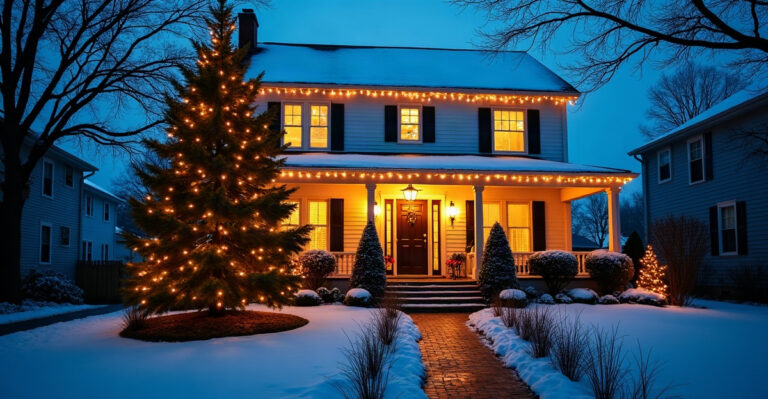
Using all three types can make a space feel more balanced. Ambient light gives broad light. Task light supports set activities. Accent light adds focus and depth. The same idea can work outdoors. General lights can brighten a patio. Task lights can serve steps or cooking areas. Accent lights can highlight trees or walls. Even outdoor holiday lights can add another visual layer when used with a planned lighting setup.
What Are the Main Outdoor Accent Lighting Techniques?
If you ask what is accent lighting, it helps to know how the light can be placed. Each method creates a different look. The accent lighting meaning is based on focus. The goal is to make a chosen feature stand out without lighting every part of the space.
Uplighting
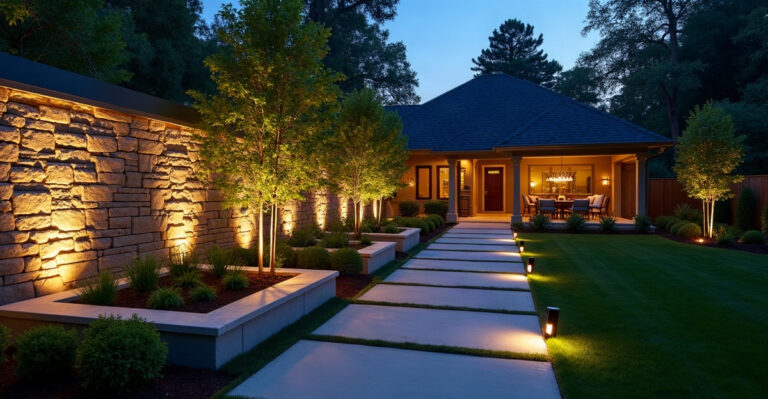
Uplighting places a fixture below a feature and aims the light up. It can highlight tall trees, columns, walls, and other building details. The upward light can help show the height and shape of a feature after dark.
Downlighting
Downlighting places the light above the area you want to light. The beam points down toward the ground. It can light plants, paths, walls, or other features below. Careful placement can help keep the light soft and focused.
Grazing
Grazing places a light close to a textured surface. The light moves across the surface and can make small details easier to see. This method can work well on stone, brick, and other textured walls.
Washing
Washing uses a wider beam to spread light across a larger surface. It can give a wall or building a soft layer of light. This method works well when you want broad coverage instead of one small focal point.
Silhouetting
Silhouetting places a light behind an object. The light makes the shape of the object stand out against a brighter background. Plants, trees, and garden features can work well with this method. These methods help explain what are accent lights and how their placement can change the final look.
How Do You Choose What to Highlight With Accent Lighting?
When people ask what is accent lighting used for, one key use is drawing attention to the best parts of a property. Start by looking for natural focal points. These are features that already have a strong shape, texture, or design.
Good choices may include mature trees, unique plants, stone walls, brick, columns, and entryways. Water features and outdoor artwork can also become focal points after dark. Garden structures, roof details, and special wall features may also work well.
Focus on a Few Key Features
You do not need an accent light for every part of your yard. Too many focal points can make the space look busy. Instead, choose a few features that matter most. For example, you may highlight one large tree near the front of your home. You could then add light to a stone wall or entryway. This creates clear points of interest without adding too much light.
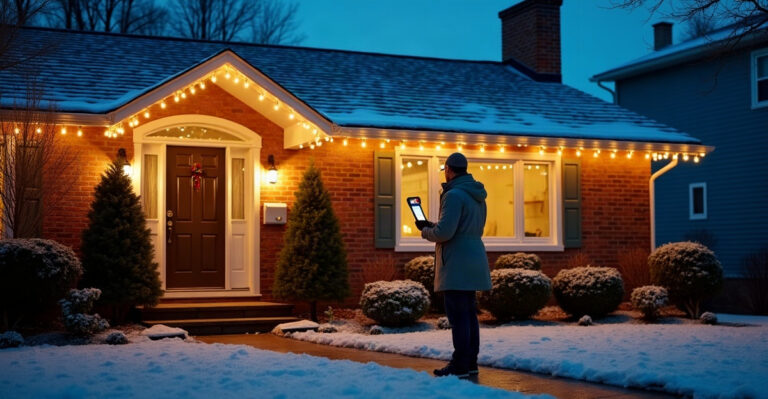
Fixture location also matters. Under eave lighting can help show rooflines and other parts of a home’s design. Ground fixtures may work better for trees and plants. The best choice depends on what you want people to notice. Start with the strongest features. Then use light to give each one clear focus.
How Do You Choose the Right Accent Light?
Choosing the right accent light starts with the feature you want to show. A simple accent lighting definition is light that brings focus to one area or object. The right fixture should match the size, shape, and location of that feature.
Beam Direction
A focused beam puts light on a small area. It may work well for a tree, plant, or column. A broad beam spreads light across a wider space. It may suit a large wall or garden area.
Brightness
More light is not always better. A light that is too bright can cause glare. It may also take attention away from other features. Choose a level that makes the feature easy to see without taking over the space.
Light Color
Warm light can give a space a soft feel. Cool light can create a clear and crisp look. Neither choice is always better. The best option depends on the feature and the look you want.
Fixture Placement
Placement affects the final result. Moving a fixture can change the direction of light and the shape of shadows. Poor placement may cause glare or dark spots. Good placement helps keep the light focused.
Outdoor Durability
Outdoor lights face sun, rain, dust, heat, and other conditions. Choose fixtures made for their planned outdoor location and exposure. This basic accent light definition can help with fixture choices. The definition of accent lighting is about creating focus, so each choice should support that goal.
Can Accent Lighting Use Smart Controls?
Compatible accent lights can work with smart controls. These controls can make it easier to change when lights turn on and how they look. You can adjust the lighting without moving the fixtures.
Scheduling and Automatic Routines
Scheduling lets lights turn on or off at set times. Automatic routines can also help the lighting follow a regular plan. This can be useful for outdoor areas that need different settings at different times.
Dimming, Zones, and Presets
Dimming can change the amount of light in a space. Zones let compatible lights work in separate groups. Presets can save selected settings for later use. For example, a homeowner may choose brighter light when guests arrive. Later, the lights can switch to a softer setting. Where supported, color changes can also create a different look for an event or outdoor gathering.
App controls can make these changes easier. Big Pig offers permanent smart lighting that is customizable and app-controlled. Its site also provides outdoor security lighting as a separate lighting option. Smart controls do not change the basic accent lighting definition. They simply give homeowners more ways to control compatible accent lights.
What Are Common Accent Lighting Mistakes?
Accent lighting can add focus and depth to an outdoor space. However, small design mistakes can change the final look. Knowing the accent lighting meaning can help you avoid these issues. The main goal is to highlight selected features without making the space feel too bright or busy.
Using Too Many Accent Lights
Too many accent lights can make it hard to know where to look. Choose a few key features instead. A tree, stone wall, garden, or entryway may be enough. This creates clear focal points.
Making Everything the Same Brightness
Not every feature needs the same amount of light. If each area is equally bright, nothing stands out. Use different light levels to add depth and focus.
Creating Glare
Avoid aiming fixtures toward people’s eyes. Strong glare can make an outdoor area less pleasant. Aim each fixture at the feature you want to show.
Ignoring Shadows and Fixture Position
Shadows can add shape, but poor placement may create dark or distracting areas. Moving a fixture even a short distance can change the result. Check the beam from several viewing points.
Using Too Much Brightness
Brighter does not always mean better. Too much light can hide small details. It can also overpower nearby lights. Use enough light to make the chosen feature stand out.
Forgetting About Plant Growth
Trees and plants change as they grow. Leaves and branches may block a light over time. Keep future growth in mind when choosing fixture positions.
Skipping the Nighttime Review
Always check the finished effect after dark. This helps you spot glare, dark areas, or poor angles. It also helps answer what are accent lights meant to do. They should guide the eye without taking over the whole outdoor space.
How Can Accent Lighting Improve an Outdoor Space?
If you are asking what is accent lighting, think of light that gives extra focus to selected features. It can help a yard, patio, or building look more defined after dark. It does this by creating contrast between a focal point and the area around it.
So, what is accent lighting used for outdoors? One common use is making key features easier to notice. A focused light can show the shape of a tree. It can bring out the texture of stone or brick. It can also draw attention to columns, plants, walls, and other design details.
Add Depth and Visual Interest
A dark outdoor space can look flat when every area has the same light level. Accent lighting can create layers. Some features appear brighter while other areas stay softer. This can give the space more depth.
Highlight Landscaping and Architecture
Trees, plants, walls, columns, and other features may be hard to see after dark. Accent lights can bring attention back to these details. The result depends on the beam, brightness, angle, and fixture location.
Support the Mood of the Space
Accent lights can also work with outdoor mood lighting. Soft light may suit a quiet patio. More focused light may help a large tree or wall stand out. Accent lighting can also complement other exterior lights rather than replace them. The best design depends on the property and the features you want to highlight. Careful placement helps create a clear and balanced look.
Is Accent Lighting Right for Your Property?
Accent lighting may be a good choice if you want certain parts of your property to stand out. A simple accent lighting definition is light that brings focus to one feature or area. Think about what your property looks like after dark. This can help you decide if accent lights fit your needs.
Ask yourself these questions:
- Is there a feature you want people to notice?
- Do you have trees or plants worth highlighting?
- Do building details disappear at night?
- Does your yard look flat after dark?
- Do you want more depth around a patio or outdoor living space?
- Do you have general lighting but want more visual interest?
The accent light definition is not tied to one fixture. Many types of lights can create focus when placed in the right spot. This also makes the definition of accent lighting useful for both homes and commercial spaces.
Plan the Right Lighting for Your Space
A lighting plan can help you choose suitable fixtures, angles, and locations. It can also help reduce glare and avoid lighting areas that do not need extra focus.
The same approach can support outdoor lighting for businesses. Accent lights may highlight signs, walls, landscaping, entrances, or other property features. The right plan depends on the space, its main focal points, and the look you want to create.
Want to Make Your Outdoor Space Stand Out?
Knowing what is accent lighting can help you see new ways to bring focus to your outdoor space. The right lights can highlight trees, plants, walls, paths, and special building details. Good placement can also add depth and create a warm look after dark.
Big Pig can help you plan accent lighting that fits your home or business. We can help you choose key features, light placement, and settings that suit your space. Contact us to discuss your outdoor lighting needs and request a quote for your property.
Frequently Asked Questions
Accent lighting is focused light that draws attention to a certain feature or area. It can highlight trees, plants, walls, artwork, stone, or building details. Unlike general lighting, it focuses on selected areas rather than lighting the whole space.
Accent lights help create focal points and add depth to a space. Outdoors, they can highlight landscaping, walls, columns, trees, water features, and other design details. They can also work with other exterior lights to create a balanced look.
Placement depends on the feature you want to highlight. Lights may sit near trees, walls, plants, or building details. The angle and distance should help show the feature while reducing glare and unwanted shadows.
Yes. General outdoor lights often brighten a wider area. Accent lights focus on smaller features. They help guide the eye toward selected parts of a landscape or building.
Yes, compatible accent lights may work with smart controls. Depending on the system, homeowners may adjust schedules, brightness, zones, presets, or colors. Smart controls can make it easier to change the lighting for different needs.