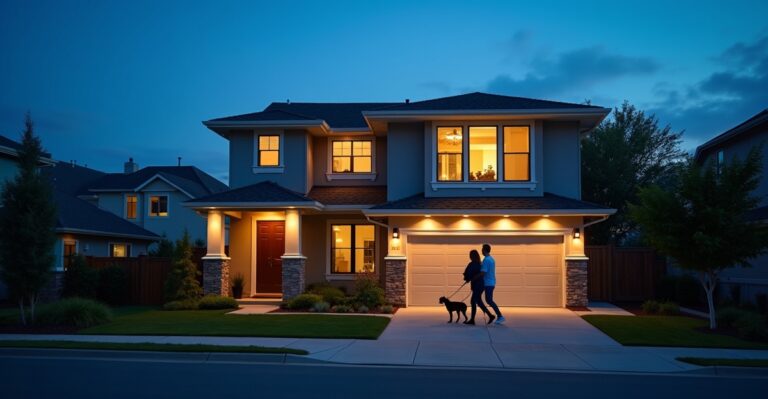
Are Permanent Lights Pet-Friendly?
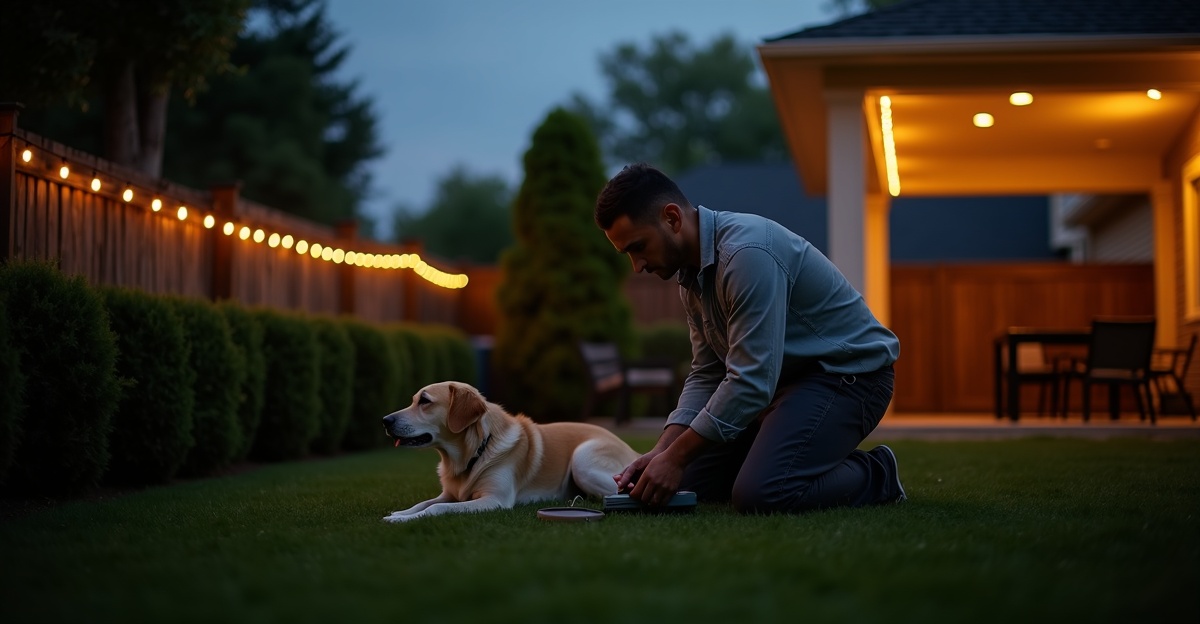
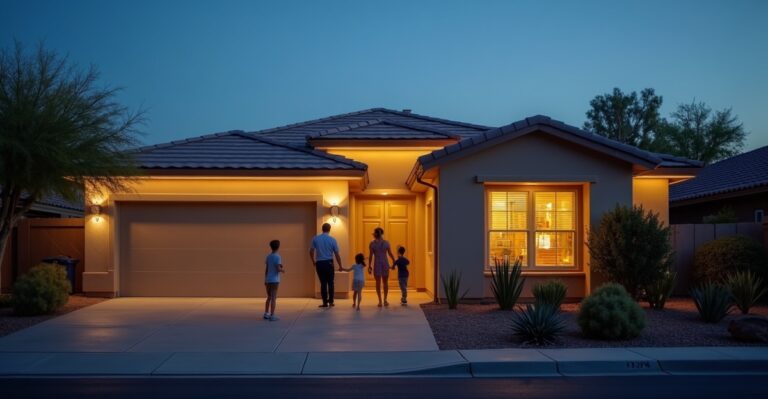
When homeowners ask, “are permanent lights safe for pets,” we explain that safety depends on smart system design, expert installation, and consistent upkeep. We install low-voltage LED permanent lighting that runs cool, lowers electrical risk compared to plug-in holiday lights, and keeps wiring tucked away and out of reach.
Key Takeaways
- We recommend professionally installed low-voltage LED systems because they stay safe for pets when we maintain them properly.
- 12-volt lighting lowers electrical risk and generates very little heat compared to 120-volt plug-in cords.
- We conceal wiring, secure mounting points, and shield transformers to reduce chewing hazards and tripping risks.
- We adjust brightness, color, and timing to support pets that react to glare or flashing effects.
- Regular inspections and simple pet-proofing steps keep outdoor lighting safe throughout the year.
Are Permanent Lights Safe for Pets? What You Should Know First
Yes, professionally installed low-voltage permanent lights are generally safe for pets when properly installed and maintained. They are not “100% safe” in every situation, but they are safe when professionally installed and used as directed.
When families ask us, “are permanent lights safe for pets,” we explain that safety depends on three things: the type of system, the quality of installation, and how well it’s maintained. The lights themselves matter, but how and where they’re installed matters even more.
Common worries are completely valid. We hear them all the time:
- Dogs chewing wires
- Pets digging near the foundation
- Brightness affecting sensitive eyes
- Heat from bulbs
- Extension cords running across patios during the holidays
Permanent smart lighting isn’t the same as temporary plug-in lights from a big-box store. These systems are built differently, installed differently, and meant to stay up year-round without exposed cords. Here, we’ll focus on practical, real-world guidance so we can make informed choices for pet-safe outdoor lighting.
Why Low-Voltage LED Systems Make a Big Difference
Low-voltage exterior lighting typically runs on 12 volts instead of the standard 120-volt household current used in many plug-in holiday lights. That difference matters.
Lower voltage means less electrical risk if a wire is damaged or accidentally chewed. In professionally installed systems, wires are concealed and secured, but even in a worst-case scenario, 12V systems carry significantly less risk than traditional line voltage.
Families often ask whether LED lights are safe for dogs or whether LED lights are safe for cats. The answer is yes, especially in permanent systems built for outdoor use. Modern LEDs:
- Emit very little heat compared to old incandescent bulbs
- Stay cool enough to reduce burn risk for curious noses
- Use efficient electronics designed for long-term operation
That cool-running technology is a major safety improvement over older string lights that could become hot to the touch.
Brightness is another concern. With smart home exterior lighting safety features, we can adjust intensity, color, and timing. If a pet is sensitive to glare, we simply dim the system or choose softer tones. We can avoid rapid flashing or strobe effects around anxious animals.
In places like Arizona, durability also matters. Quality permanent lighting components are built to handle high heat, intense sun, and temperature swings. That resilience helps prevent cracking insulation or brittle wires that could otherwise create risk over time.
Professional Permanent Systems vs DIY/Temporary Plug-In Lights
There’s a clear difference between professional permanent systems and seasonal DIY lighting.
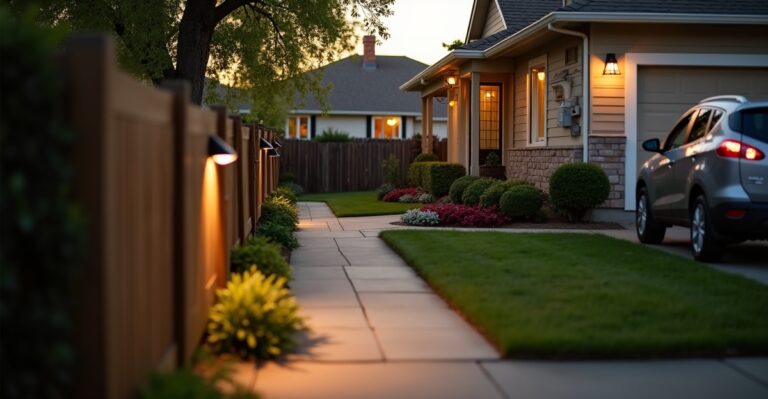
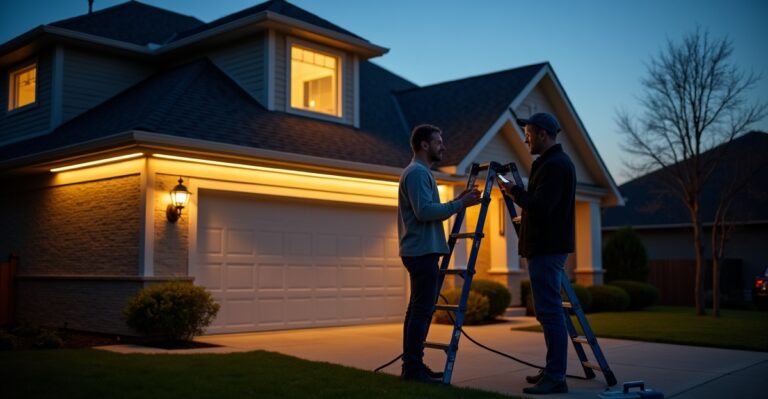
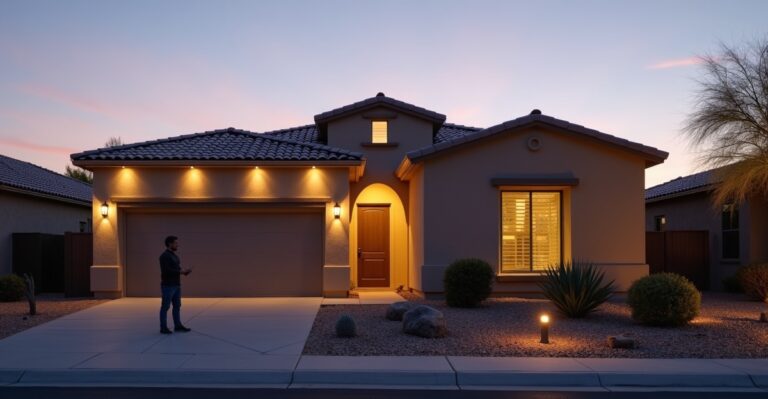
Professionally installed permanent lighting systems are built for safety and longevity. In a proper Arizona outdoor lighting installation, wiring is concealed and protected, mounting hardware is secured, and transformers are safely positioned.
Permanent systems often include:
- Concealed wiring tucked into soffits or rooflines
- Secure mounting channels that prevent exposed cords
- Protected transformers shielded from the elements
- A design meant to remain in place year-round
Accessible cords are minimized. Connection points are secured. The system becomes part of the home rather than something draped over it.
Temporary plug-in lights can introduce more pet safety concerns. Holiday lights pet safety issues often stem from:
- Extension cords across walkways
- Exposed outdoor outlets
- Loose plug connections at ground level
- Wires within easy reach for tugging or chewing
Loose cords at nose-level are tempting for curious dogs. Ground-level plugs invite chewing. That’s why many homeowners choose professional permanent lighting installation instead. It reduces accessible points and removes seasonal clutter.
If we want a deeper look at how professional systems compare, we can explore are permanent lights safer than DIY installs for more detail.
Real Pet Scenarios Homeowners Worry About (And How to Address Them)
Pets are part of the family, so it’s normal to picture every possible scenario.
Can Dogs Chew Outdoor Light Wires?
Yes, dogs can chew outdoor light wires if they can reach them. That’s why professionally installed systems limit exposed wiring. Most permanent systems mount wiring in channels under the eaves or along rooflines, far above a dog’s access point.
If any wire becomes loose or damaged, it should be inspected and repaired promptly. Even low-voltage systems deserve attention if something looks out of place.
Digging, Brightness, and Outdoor Components
Pets digging near foundations can expose low-voltage lines if they’re buried. When applicable, lines should be buried at appropriate depth or concealed along hardscape edges to prevent access.
Brightness and color can also affect sensitive pets. If a dog or cat seems uneasy, we can:
- Reduce intensity using smart controls
- Select warm, softer color tones
- Avoid rapid flashing or strobe patterns
Transformers and outdoor outlets should be secured, elevated, and protected from moisture and curious paws. Responsible pet-proof outdoor lighting always includes regular inspections. A quick visual check every few months can catch small issues before they become problems.
If roofline placement is a concern, we can read more about roofline lighting safety and how proper mounting protects both the home and everything below it.
Simple Pet-Proofing Steps for Extra Peace of Mind
Even with a professionally installed system, a few simple steps add peace of mind.
For added protection, we recommend:
- Keep transformers secured and elevated
- Bury or conceal low-voltage lines when applicable
- Adjust brightness levels through smart controls
- Schedule regular inspections
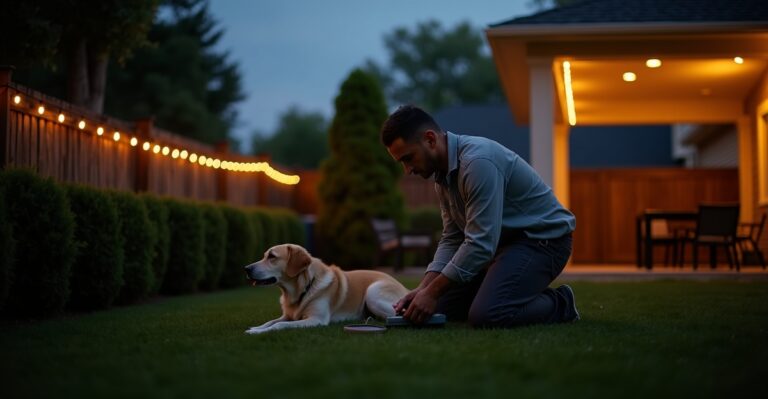
One of the best habits is simple. Walk the yard from your pet’s eye level. Kneel down and look for tempting wires, loose fixtures, or exposed connections. If something looks reachable, it probably is.
Well-installed permanent smart lighting can brighten patios, highlight architecture, and create welcoming evening scenes without putting pets at risk. With thoughtful design and consistent upkeep, we can enjoy beauty and convenience with confidence.
If we’re considering an upgrade, exploring residential outdoor lighting options helps us see what’s possible with safe, professionally integrated systems.
Common Questions About LED and Pet Safety
Can outdoor LED lights hurt my dog’s eyes?
In professionally installed systems, LED brightness is adjustable. Steady, properly aimed lighting does not harm a dog’s eyes. We avoid harsh glare and high-speed flashing for sensitive pets.
Are LED lights safe for cats who sit near windows?
Yes. LEDs produce minimal heat and consistent light. If indoor glare is noticeable, we can dim exterior lights or shift angles to reduce reflection through windows.
What happens if my dog chews a light wire?
In low-voltage exterior lighting systems, risk is significantly reduced compared to 120V plug-in cords. Still, any damaged wire should be inspected and repaired immediately. We should never ignore visible damage.
Is low-voltage exterior lighting safer than plug-in holiday lights?
Generally, yes. Low-voltage systems reduce electrical risk, and permanently mounted components limit access. Temporary extension cords pose more tripping and chewing hazards.
Do permanent smart lights get hot in Arizona summers?
LED fixtures run cool even in high temperatures. Quality systems are built for extreme climates, and in professionally installed setups, components are rated for outdoor exposure.
If we want a second set of eyes on a current setup or are planning a new installation, we can schedule a consultation through our contact page. A simple safety walkthrough can confirm that our lighting is secure, durable, and thoughtfully suited for homes with pets.