Can you finance light installations?
We can use lighting financing to install permanent smart lighting systems and spread the cost into structured monthly payments instead of paying everything upfront. Instead of draining capital on day one, we secure professional installation and app-controlled outdoor lighting that stays in place year-round, then pay over time. Financing through third-party lenders, home improvement loans, or phased installation plans keeps the project realistic while protecting our cash flow.
Key Takeaways
- Lighting financing covers permanent smart lighting systems rather than temporary string lights and usually follows structured monthly payment plans.
- Homeowners can choose third-party financing, personal loans, home equity loans, or HELOCs, with each option offering different terms, rates, and trade-offs.
- Businesses can use commercial lighting financing or phased installations to match payments with cash flow and long-term branding goals.
- Lenders base approval, interest rates, and monthly payments on credit profile, income, total project cost, and loan term length.
- Financing increases the total amount repaid because of interest, yet it preserves savings and lets us enjoy the benefits of permanent smart lighting immediately.
You Can Finance Permanent Smart Lighting—Here’s How It Works
Yes, lighting financing is available for permanent smart lighting systems. We can install now and spread payments out over time through structured monthly payments for lighting installation.
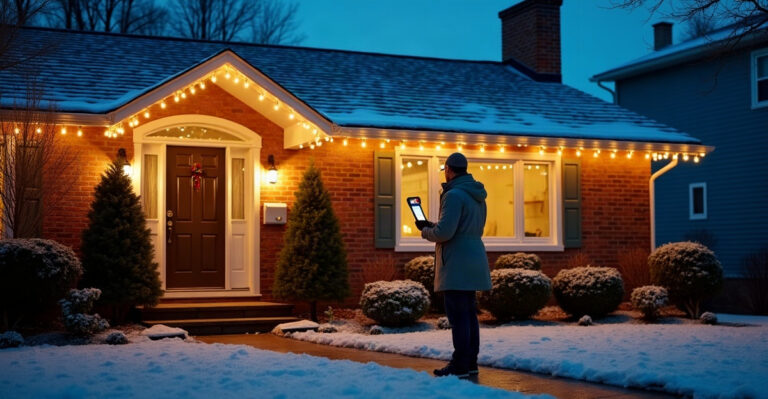
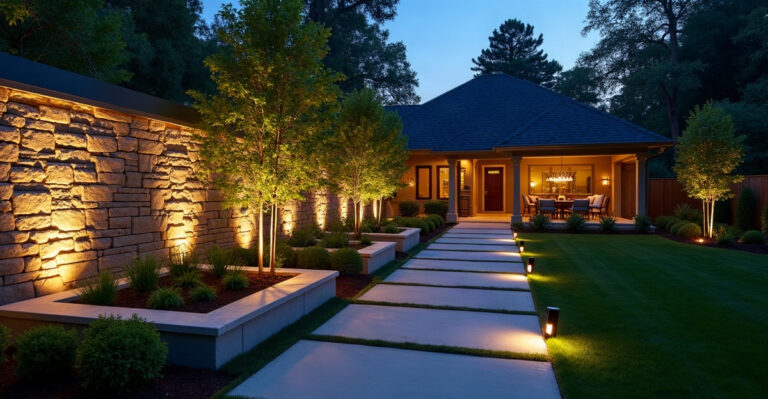
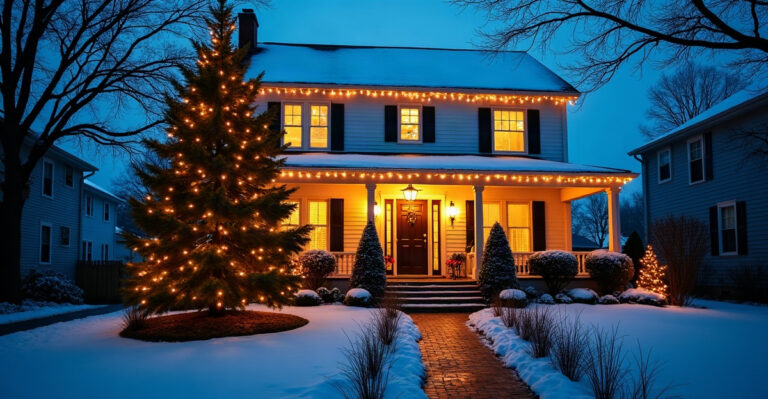
This applies to permanent smart lighting systems built into a home or building—not temporary string lights from a big-box store. We’re talking about professionally installed systems like residential outdoor lighting that stay in place year-round and are controlled by an app.
Lighting financing takes the stress out of paying everything upfront. With permanent lighting financing, we work with third-party lenders, home improvement financing options, credit-based plans, and sometimes phased installation schedules. These structures can make it easier to finance outdoor lighting installation without draining savings.
Buy now pay later lighting plans allow us to enjoy the benefits today while paying in steady, predictable amounts. Approval isn’t automatic and depends on credit and other factors. Still, many homeowners and businesses find smart lighting payment plans make the project realistic—and comfortable.
Common Lighting Financing Options for Homeowners and Businesses
Lighting financing isn’t one-size-fits-all. Different situations call for different approaches, especially for Arizona lighting installation projects in suburban and semi-urban communities where curb appeal and convenience matter.
Third-Party Financing and Home Improvement Loans
Many permanent lighting financing programs use partner lenders. These lenders typically offer fixed monthly payments over a set term, often 12 to 60+ months. Exact interest rates and terms vary by lender and borrower profile, so we always review those details case by case.
Some plans may include promotional options like deferred interest. In plain terms, that means payments are delayed or interest is postponed for a set period. If the balance isn’t paid off by the end of that period, interest may be added. Understanding the fine print is key.
We can also look at traditional home improvement financing:
- Personal loans (usually unsecured, meaning no home collateral).
- Home equity loans (secured by the home, often with fixed rates).
- The Consumer Financial Protection Bureau outlines how home equity loans and HELOCs work, including fixed-rate and flexible borrowing structures secured by the home.
According to the Consumer Financial Protection Bureau, secured loans use the home as collateral, while unsecured loans rely mainly on credit and income. Each path has trade-offs, and we help weigh them carefully.
Commercial Financing and Phased Installations
Business owners have additional options. With commercial outdoor lighting, commercial lighting financing can align with cash flow cycles. Predictable monthly payments help property managers and Arizona business owners plan ahead.
Holiday lighting financing and outdoor LED lighting financing can also support branding goals. A retail center, restaurant, or office building can create a polished, professional look without a large upfront expense.
For larger projects, phased installation works well. We install part of the system now—perhaps front elevations or main gathering spaces—and expand later. This approach supports smart lighting payment plans while keeping the initial investment manageable.
What Approval, Interest, and Monthly Payments Really Look Like
Approval for lighting financing depends on several factors:
- Credit score.
- Income and debt-to-income ratio.
- Project cost and requested loan amount.
Lenders review these details to determine approval, interest rate, and term length. We can expect variation. Two families installing the same system may receive different offers based on financial profile.
Here’s how the core concepts break down:
- The Federal Reserve explains that interest rates represent the cost of borrowing money, and the higher the rate, the more paid over time.
- Term length is how long payments are made. Longer terms lower monthly payments but increase total interest paid.
- Total repayment cost includes the original project price plus the interest paid over the life of the loan.
Let’s look at a simple example. If the cost of permanent outdoor lighting falls between $3,000 and $8,000 or more, a 36–60 month financing plan could spread that investment into manageable monthly payments. Actual numbers depend on credit and lender terms, so this is just an illustration—not a quote.
Paying cash means no interest and full ownership immediately. Financing means paying more over time, but keeping savings intact. For many households, protecting cash flow while upgrading the home feels like a smart home lighting investment.
If we’re unsure about overall pricing, reviewing this guide on how much permanent Christmas lights cost can provide helpful context.
Paying Upfront vs. Financing: Which Makes Sense for You?
The right choice often comes down to cash flow and priorities.
Paying upfront eliminates interest. It’s clean and simple. Yet it also ties up funds that could support emergencies, travel, tuition, or business needs.
Financing spreads the impact over time. We preserve liquidity and avoid draining savings for a single upgrade. That flexibility matters.
There’s also timing. With financing, we can enjoy curb appeal, added security, and everyday convenience right away. Delaying installation may mean missing holidays, events, or peak business seasons.
For businesses, commercial lighting financing often aligns monthly payments with revenue cycles. A property can generate returns while the lighting is being paid off.
Before deciding, weigh:
- Total repayment cost over time.
- Comfort with steady monthly obligations.
- Long-term plans for the property.
If we’re still weighing overall value, exploring whether permanent holiday lights are worth it can add perspective.
The Long-Term Value of Permanent Smart Lighting
Permanent smart lighting should be viewed as an investment, not just an expense.
First, durability reduces yearly hassle. With permanent systems like under-eave lighting, we eliminate climbing ladders, untangling cords, and paying for seasonal installs and removals.
Second, energy efficiency and longevity matter. Outdoor LED lighting financing supports systems built for long life and low energy use. Over time, reduced labor and maintenance help balance the initial cost.
Third, property appeal improves. A well-lit home creates a welcoming glow that draws attention in the best way. For those curious about resale potential, this overview of how permanent lighting helps real estate sales highlights how lighting can influence buyers.
Businesses benefit from visibility and branding flexibility. With app-controlled colors and patterns, we can shift from holiday warmth to team spirit to elegant event lighting with a tap. That flexibility supports marketing goals without new hardware each season.
Ignoring long-term value focuses only on short-term cost. Yet when we compare years of convenience, curb appeal, and event-ready lighting, financing can look like a reasonable path to a lasting upgrade.
Every project is different. Costs vary by layout, product choice, and goals. We can explore options together, review examples, and walk through lighting financing step by step. When ready, reaching out through our contact page starts a clear, no-pressure conversation about what fits best.
Frequently Asked Questions
Lighting financing allows homeowners or businesses to install permanent smart lighting and pay for it in monthly installments instead of upfront. After approval through a lender or financing partner, the project is completed and payments begin according to the agreed term. Loan length, interest rate, and monthly cost depend on credit profile, income, and total project price.
There is no universal minimum credit score for lighting financing because requirements vary by lender. Many providers review credit history, debt-to-income ratio, and income stability to determine approval and interest rates. Higher credit scores typically qualify for better terms, while lower scores may result in higher rates or shorter repayment options.
Lighting financing is better when preserving cash flow is a priority. Financing spreads the cost over time, which protects savings and keeps liquidity available for emergencies or other investments. Paying cash eliminates interest and reduces total cost, so the right option depends on financial goals, comfort with monthly payments, and available reserves.
Yes, businesses can use lighting financing for commercial outdoor lighting projects. Commercial plans often align monthly payments with revenue cycles, making budgeting more predictable. Some businesses also choose phased installations to control upfront costs while upgrading visibility, branding, and property appearance over time.
Yes, lighting financing typically increases the total amount paid because interest is added to the project cost. The final repayment amount depends on the interest rate and loan term. While financing costs more overall, it allows immediate installation and spreads payments into manageable monthly amounts, which can make large projects more accessible.