Do Permanent Outdoor Lights Increase Home Value? (data-backed)
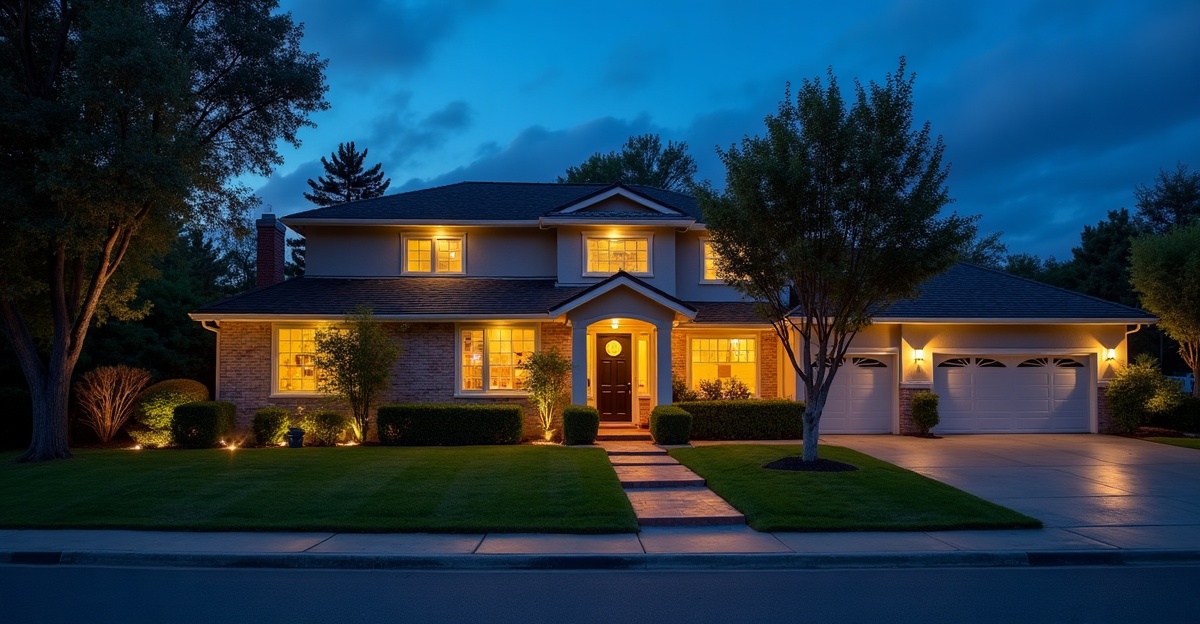
Permanent outdoor lighting can influence outdoor lighting home value by strengthening curb appeal, shaping buyer perception, and in some cases reducing days on market. We view it as a strategic exterior upgrade rather than a guaranteed dollar-for-dollar resale increase. Remodeling data and buyer surveys confirm that exterior improvements elevate overall presentation and perceived quality. Actual financial impact depends on market conditions, installation quality, and neighborhood standards.
Key Takeaways
- Permanent outdoor lighting typically increases perceived value and buyer appeal rather than delivering a fixed resale premium.
- Exterior improvements often produce stronger ROI than interior luxury upgrades, with lighting supporting broader curb appeal investments.
- Appraisers may account for contributory value within the overall property condition, but they rarely assign a separate line-item adjustment for lighting alone.
- Smart, energy-efficient, professionally installed systems strengthen security perception, modern appeal, and competitiveness in mid- to upper-tier markets.
- Measurable value depends on neighborhood alignment, design consistency, professional integration, and local buyer expectations.
What the Data Says About Outdoor Lighting Home Value
Permanent outdoor lighting can increase perceived value and buyer appeal, but measurable resale gains depend on market conditions, installation quality, and neighborhood expectations. The impact on outdoor lighting home value is often indirect rather than a guaranteed percentage boost in sale price.
Remodeling Cost vs. Value reports consistently show that exterior upgrades tend to outperform interior luxury upgrades in return on investment. Lighting usually falls within broader curb appeal improvements rather than standing alone. That means its financial return is often tied to the overall exterior presentation.
National Association of Realtors (NAR) homebuyer surveys also confirm that curb appeal and exterior appearance influence purchase decisions and days on market. Buyers often form their opinion before walking through the front door. Exterior upgrades shape buyer perception immediately.
That said, lighting rarely produces a line-item resale premium. Instead, it supports:
- Stronger first impressions
- Increased perceived safety
- A higher-quality exterior feel
- Potentially fewer days on market
Market variables matter. A competitive suburban neighborhood with well-maintained homes may reward professional exterior upgrades. A price-sensitive market focused on interior updates may not. Resale value shifts based on region, price tier, and buyer expectations.
How Buyers and Appraisers Evaluate Permanent Outdoor Lighting
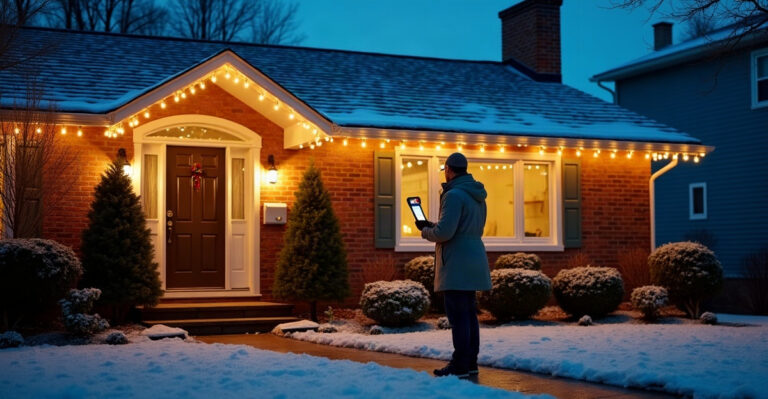
Permanent outdoor lighting refers to architectural, professionally installed, hardwired or integrated smart systems. This includes under-eave lighting, pathway illumination, and cohesive façade designs. It does not include temporary string lights or seasonal plug-in décor.
Appraisers evaluate upgrades differently than buyers do. Cost does not equal value added. They adjust for contributory value by comparing recent sales with similar features. Outdoor lighting may influence the overall condition or quality rating of a property, but it rarely receives a dedicated adjustment unless part of a larger exterior renovation.
Buyers respond emotionally. Lighting creates a premium feel, improves visible safety, and highlights landscaping and architecture. These reactions can shorten days on market by strengthening early impressions.
A common question arises: Does outdoor lighting increase appraisal value? The honest answer is sometimes, but rarely dollar-for-dollar. When integrated professionally and consistent with neighborhood standards, it can contribute to overall property quality. When installed poorly or inconsistently with surrounding homes, the financial impact may be minimal.
For a broader exploration of this topic, we break down additional considerations in this guide on outdoor lighting value.
ROI Outdoor Lighting: Realistic Cost vs. Resale Expectations
ROI outdoor lighting typically falls into a moderate-return category. Financial return improves when lighting complements landscaping, architectural upgrades, and cohesive exterior design.
Permanent outdoor lighting systems typically range from several thousand dollars for basic architectural setups to $10,000 or more for comprehensive, professionally integrated smart systems. Cost varies based on home size, layout complexity, and control features.
Key cost components include:
- Lighting design and planning
- Fixture quality and quantity
- Wiring and electrical integration
- Installation labor
- Smart controls and automation
- Long-term energy consumption
- Maintenance requirements
Modern LED systems significantly reduce energy usage compared to older halogen options. Buyers increasingly prefer energy-efficient lighting, which supports long-term operating cost stability.
We find that ROI improves when paired with:
- Professional landscaping
- Updated siding or façade improvements
- Coordinated entryway upgrades
Financial return is one side of the equation. Lifestyle return is equally important. Many homeowners install lighting to enjoy evening curb appeal, added security, and outdoor living enhancement long before listing the property.
More insights into financial expectations are covered in this breakdown of lighting ROI.
Common questions include: How much does permanent outdoor lighting cost? and Is it worth installing before selling? In many cases, the answer depends on timing. If installed shortly before listing in a curb-appeal-driven market, it may help differentiate the property. If resale is years away, homeowners gain both enjoyment and potential marketing advantage.
Smart Exterior Lighting and Modern Buyer Appeal
Smart home features increasingly influence desirability, particularly in mid- to upper-tier markets. Exterior systems now integrate automation, app control, motion sensors, and scheduling. These features signal convenience and modernity.
Smart exterior lighting supports several buyer motivators:
- Security perception
- Energy efficiency
- Customization flexibility
- Seamless smart ecosystem integration
Buyers often associate smart features with proactive home maintenance and long-term efficiency. While appraisers may not always apply a distinct value increase, smart functionality strengthens overall buyer perception.
Systems such as residential outdoor lighting that integrate smart controls help homes stand out in competitive markets. Under-eave options like under-eave lighting maintain architectural consistency throughout the year without seasonal removals.
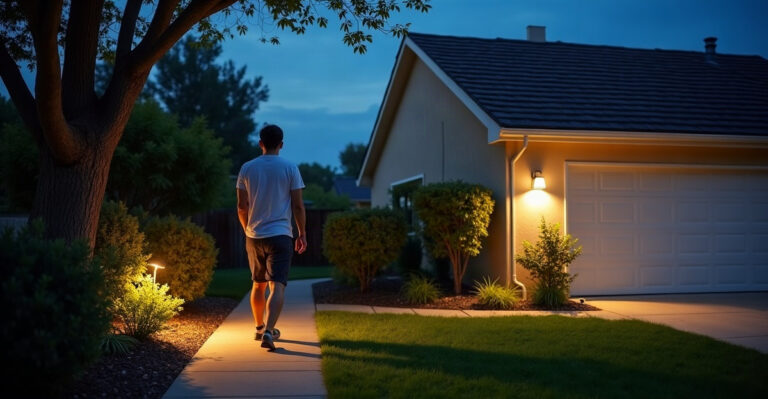
Smart functionality also enhances security. Motion-activated illumination and coordinated outdoor security lighting create a visible layer of protection. Buyers respond positively to homes that feel safe and automated.
For those evaluating curb appeal impact specifically, we outline effects in this article on smart lighting appeal.
Do smart exterior lights attract buyers? In many cases, yes. They elevate perceived sophistication and convenience. However, they work best as part of a broader, well-maintained property rather than a single standout feature.
The Factors That Determine Whether Lighting Adds Measurable Value
Several variables determine whether permanent outdoor lighting produces measurable resale impact.
Neighborhood standards matter. Improvements aligned with surrounding homes are more likely to deliver return. Over-improving beyond local norms may limit recovery at sale.
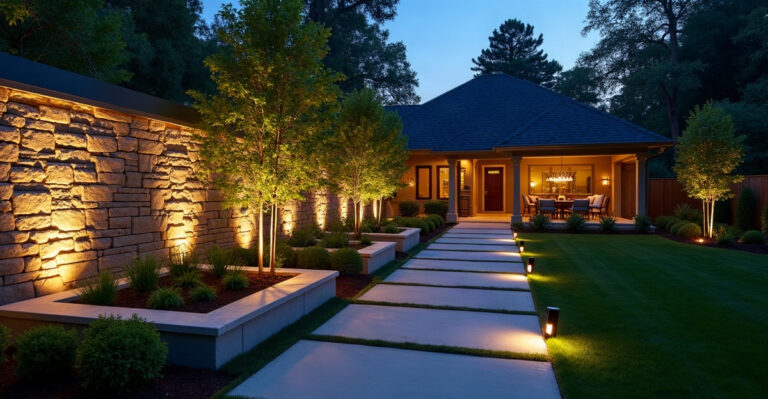
Quality and design integration are critical. Cohesive outdoor accent lighting that highlights architecture performs better than inconsistent or overly dramatic designs.
Professional installation influences perceived permanence and durability. Buyers and appraisers often view DIY wiring or visible fixtures unfavorably.
Energy efficiency, durability, and warranty coverage also factor into value. LED systems with long lifespans increase buyer comfort and reduce perceived future expenses.
Market timing and price tier can influence results. Luxury segments often place greater emphasis on aesthetics and integrated smart features. Entry-level markets may prioritize interior updates or square footage over exterior enhancements.
Curb appeal improvements frequently support faster sales rather than large direct price increases, reinforcing the importance of realistic expectations.
When Permanent Outdoor Lighting Makes Financial Sense
Permanent outdoor lighting is most likely to add measurable value when:
- The property already presents strong landscaping
- Lighting enhances safety and visibility
- The system is professionally integrated
- The home competes in a curb-appeal-focused market
In these scenarios, lighting can reduce days on market and strengthen buyer confidence. It becomes part of a comprehensive exterior strategy. We discuss resale positioning further in this guide on lighting and real estate.
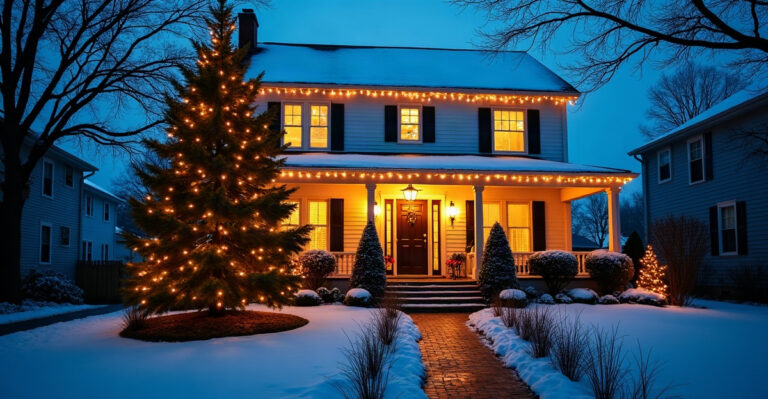
Installation that supports year-round functionality, such as permanent holiday lighting configured for multiple uses, may also improve marketability if executed cleanly and tastefully.
Homeowners should evaluate goals clearly:
- Improve outdoor enjoyment now
- Align with smart home trends
- Increase security perception
- Differentiate listing photos
- Support resale value
Consulting local real estate professionals or appraisal experts helps determine market-specific expectations. National averages provide context, but local data drives final outcomes.
Permanent outdoor lighting can support resale value and buyer appeal. Results depend on market context, design quality, professional installation, and realistic financial expectations.