Rgb Vs Warm White Outdoor Lighting: Which Is Better?
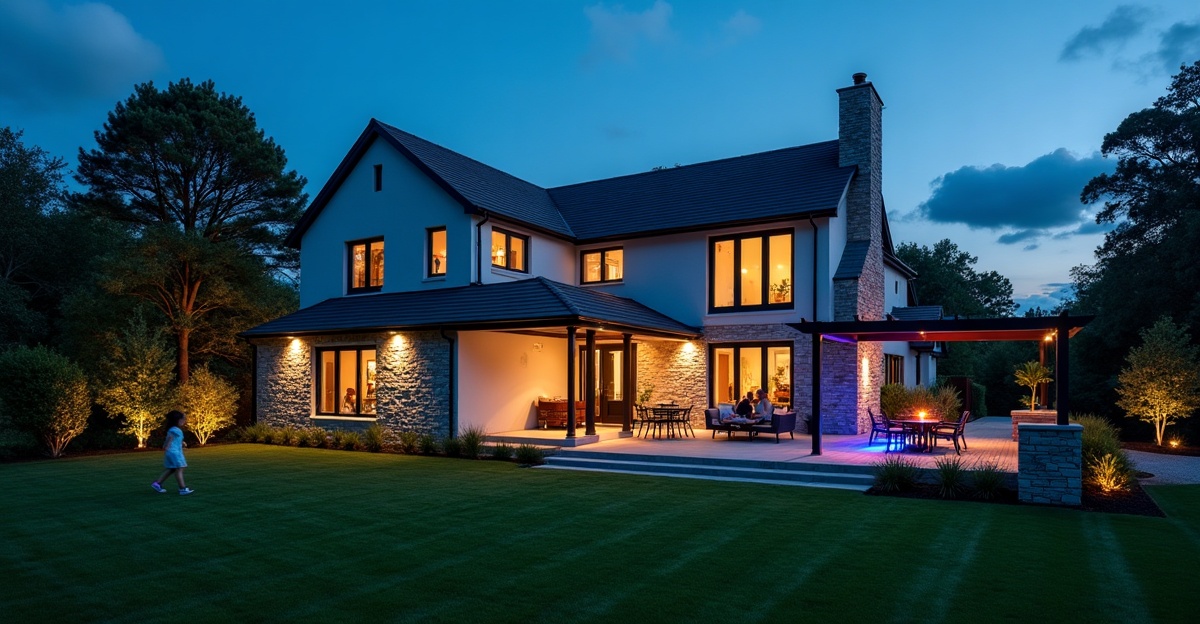
RGB vs warm white outdoor lighting decisions come down to how we use our property, how much control we want, and the type of visual impact we expect long term. We rely on RGB systems for dynamic scenes, app-based automation, and seasonal flexibility. We choose warm white lighting for consistent architectural illumination, simpler installation, and predictable performance for everyday curb appeal.
Key Takeaways
- RGB lighting prioritizes color flexibility, scene control, and event-driven or seasonal use, while warm white focuses on stable, classic architectural illumination.
- Warm white fixtures often provide stronger and more consistent lumen output for pathways, façades, and landscape features.
- RGB systems require controllers and programming but offer advanced app control, automation, and scalable scene customization.
- Warm white installations are typically simpler to install, expand, and maintain, making them practical for nightly operation.
- Both systems use efficient LED technology, but long-term value depends on usage patterns, property goals, and desired visual impact.
RGB vs Warm White Outdoor Lighting: What Matters Most for Everyday Use and Long-Term Value
RGB and warm white outdoor lighting serve different goals. Both use LED technology, but their purpose and daily experience vary.
RGB lighting uses red, green, and blue diodes to create a wide spectrum of colors. By blending those primary colors at different intensities, RGB systems produce millions of combinations, dynamic scenes, and animated effects. Many homeowners refer to these systems as color changing outdoor lights because they allow instant shifts from soft white to bold holiday themes. We explain the technology further in our guide to what makes RGB smart lighting different.
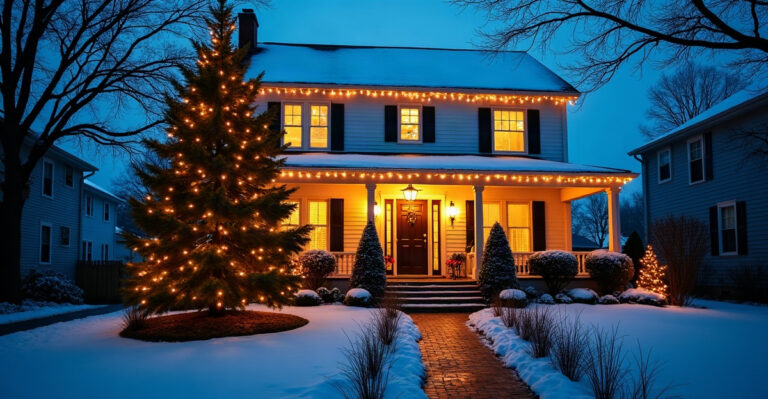
Warm white lighting, by contrast, produces a single white tone, typically in the 2700K–3000K range on the Kelvin scale. That temperature delivers a soft, golden glow similar to traditional incandescent bulbs. It highlights architecture and landscaping without introducing color effects.
The key difference comes down to purpose. RGB prioritizes versatility and visual impact. Warm white prioritizes natural ambiance and consistent architectural illumination.
For properties focused on everyday curb appeal and subtle landscape design, warm white often fits best. For homes and commercial spaces centered on entertaining, seasonal décor, or event-driven lighting effects, RGB offers greater flexibility. This comparison helps clarify which system aligns with long-term goals rather than declaring one option inherently better.
Side-by-Side Comparison: Ambiance, Brightness, Color Quality, and Control
The following table outlines how RGB and warm white outdoor lighting compare across practical decision points.
| Category | RGB Lighting | Warm White Lighting |
|---|---|---|
| Ambiance | Dynamic, colorful, dramatic effects | Subtle architectural glow, classic appearance |
| Everyday Usability | Flexible for daily use or occasional scenes | Ideal for nightly operation with consistent tone |
| Event Capability | Full-color scenes, animations, holiday themes | Limited to white tone variations and dimming |
| Installation Complexity | Requires controllers and programming | Typically simpler wiring and setup |
| Upfront Cost | Higher due to multi-diode systems | Often more cost-effective for large areas |
| Maintenance & Scalability | Expandable but may require technical planning | Straightforward expansion in many cases |
| Energy Usage | Efficient LEDs; usage varies by scene | Efficient LEDs; predictable daily consumption |
| Control Options | App control, scenes, automation, color presets | Dimming, scheduling, smart integration |
Brightness and Color Quality
Brightness differs depending on fixture design. Some RGB fixtures produce lower white-light output compared to dedicated warm white LEDs. That matters for pathways, driveways, and façade lighting where lumen output supports visibility and safety.
Dedicated warm white fixtures often provide stronger and more consistent illumination for architectural and landscape applications. Beam spread typically remains uniform, which enhances texture on stone, brick, and stucco.
Color rendering is another distinction. Warm white systems generally offer more accurate and stable color rendering for plants and exterior finishes. RGB systems can produce excellent whites, but performance depends on whether the fixture includes a dedicated white diode rather than relying solely on blended red, green, and blue.
Control and Smart Integration
Both systems integrate with smart home platforms and automation tools. Warm white lighting typically uses dimmers, timers, and scheduling functions. That setup works well for nightly activation at sunset and shutdown at bedtime or sunrise.
RGB systems expand control capabilities significantly. Owners can build scenes, automate holiday themes, and shift colors with a tap in an app. We often see interest from property owners asking, can you change colors on permanent lights, especially when investing in long-term installations.
For those evaluating technology benefits more broadly, our overview of smart lighting systems breaks down automation, scheduling, and energy management advantages.
When Warm White Outdoor Lighting Is the Smarter Choice
Warm white outdoor lighting excels in projects where timeless design drives the decision.
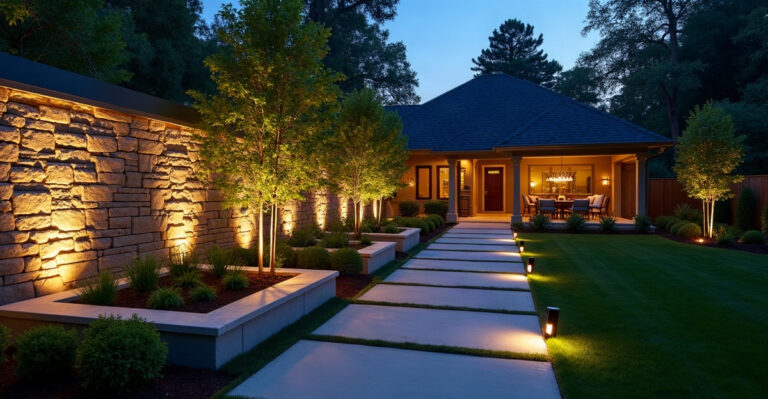
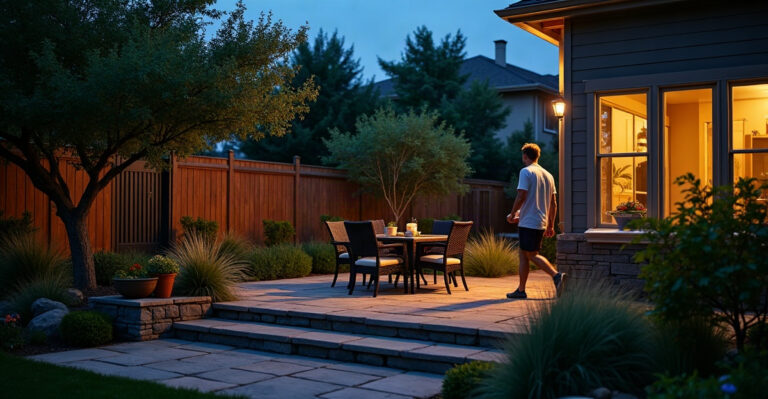
Architectural façade lighting benefits from subtle illumination that highlights lines, textures, and materials without distraction. A steady 2700K–3000K glow supports depth and shadow in a controlled way. We commonly implement this approach in residential outdoor lighting systems where daily curb appeal matters.
Patios, driveways, pathways, and gardens also perform well under a consistent white tone. Homeowners who want lighting to turn on automatically each evening often prefer the reliability of a single color temperature.
Traditional landscape designs typically call for restraint. Warm white complements brick, stone, wood, and stucco without pulling attention away from architectural features. Installation and programming are usually simpler, especially for clients new to smart systems.
Long-term maintenance also remains straightforward. Fewer control layers often mean fewer technical adjustments. For many households, that simplicity delivers strong long-term value.
When RGB and Color Changing Outdoor Lights Make More Sense
RGB lighting fits spaces built for entertainment and visual flexibility.
Outdoor living areas that host gatherings benefit from scene-based lighting. A patio can shift from soft white for dinner to team colors on game day within seconds. Systems installed as outdoor mood lighting showcase the versatility of dynamic color.
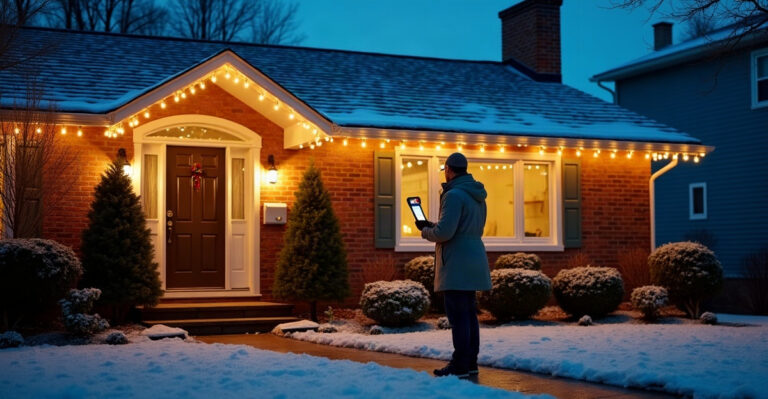
Seasonal décor presents another advantage. Homeowners using outdoor holiday lights often prefer permanent RGB installations that adjust for multiple holidays without physical reinstallation. Inspiration for changing themes appears in our guide to outdoor lighting color ideas for every season, as well as best lighting presets for year-round use.
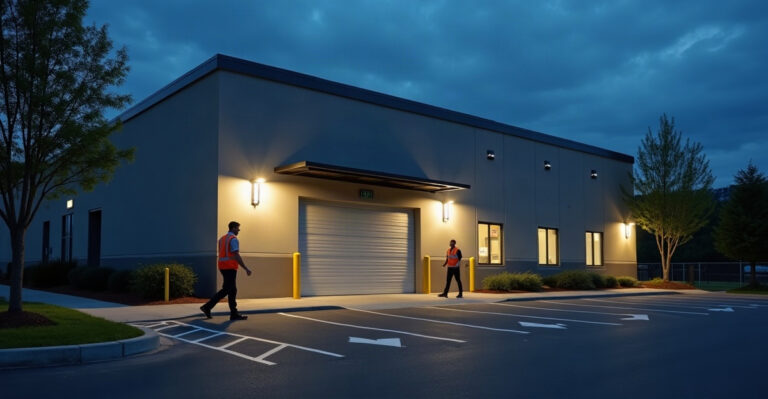
Commercial properties also benefit from flexibility. Restaurants, hotels, and event venues frequently rotate branding colors, promotions, and seasonal looks. Our commercial outdoor lighting projects often incorporate RGB systems to support that adaptability.
Modern architectural designs that emphasize creativity and visual impact align well with color changing solutions. Properties planning future automation upgrades may also prefer RGB due to its scalability and advanced scene programming.
Installation, Cost, Maintenance, and Energy Considerations
Installation planning differs between systems. RGB setups require controllers capable of managing color channels, scenes, and often app connectivity. We recommend mapping out automation goals early, especially for permanent systems such as under eave lighting or permanent holiday lighting. Planning for expansion during the initial install prevents costly retrofits.
Warm white installations generally require fewer programming layers. That simplicity can reduce upfront labor time and controller costs.
Cost varies based on fixture count and system complexity. RGB fixtures typically carry a higher initial price due to additional diodes and control hardware. Warm white systems often prove more cost-effective for large-scale architectural illumination where color versatility isn’t required.
Durability remains essential for both options. Outdoor-rated housings, high-quality drivers, and weather resistance directly affect longevity and performance consistency. Driver quality also influences color stability over time.
Maintenance complexity increases with system sophistication. Advanced RGB networks may require occasional software updates or controller adjustments. Simpler warm white systems often need minimal technical intervention beyond routine fixture inspections.
Energy efficiency remains strong across both categories because both rely on LED technology. Real operating cost depends on usage patterns. A home that runs warm white lighting every night will consume energy predictably. A property that activates RGB scenes occasionally may use less overall power, despite higher system capability.
Choose RGB If… / Choose Warm White If…
Decision-making becomes clearer when we align lighting type with property goals and daily habits.
Choose RGB If:
- We want full customization and scene control.
- We host frequent gatherings or events.
- We operate a hospitality or light commercial property.
- We value technology-driven flexibility and automation.
Choose Warm White If:
- We want reliable, timeless curb appeal every night.
- Our focus centers on architectural lines and landscape layering.
- We prefer straightforward installation and consistent beam quality.
- Everyday usability outweighs color-driven effects.
RGB vs warm white outdoor lighting is ultimately a lifestyle and design decision. Evaluating how we actually use outdoor spaces, how often we change visual themes, and how much automation we plan to integrate leads to the right solution. If detailed planning support is needed, we can continue the conversation through our main site at Big Pig Smart Lighting or reach out directly via our contact page.