What To Look For In Permanent Outdoor Lighting Systems
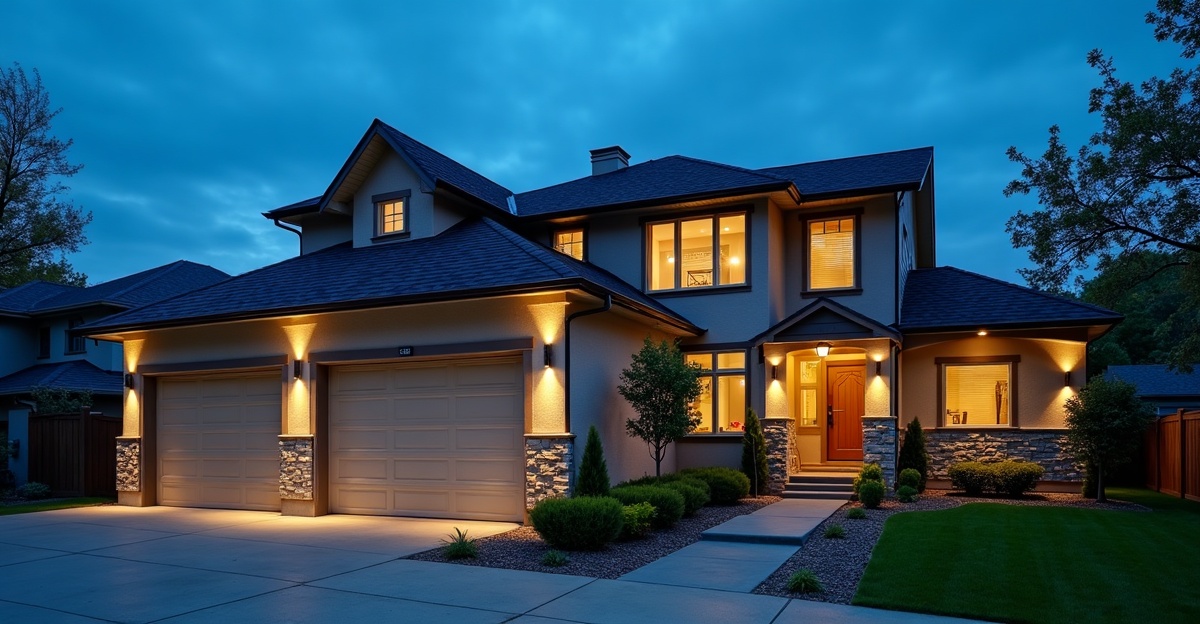
Homeowners who select outdoor lighting system solutions for permanent installation must assess infrastructure, performance specifications, durability ratings, and smart control features. Permanent systems go beyond seasonal options. We integrate concealed wiring, architectural mounting, weather-resistant materials, and automation that supports year-round curb appeal, security, and long-term property value.
Key Takeaways
- Permanent outdoor lighting uses concealed wiring, durable mounting systems, and integrated tracks for consistent architectural performance throughout the year.
- Compare lumen output, color temperature, beam angle, dimming capabilities, and zoning options to align brightness and design goals with the property layout.
- Choose IP65 or higher ratings, corrosion-resistant materials, and UL-listed components to maintain weather resistance and electrical safety over time.
- Smart controls should offer app management, scheduling, scene creation, zone grouping, and compatibility with major smart home platforms.
- Review installation methods, electrical configuration, warranty coverage, energy efficiency, and service access before making a final decision.
How Permanent Outdoor Lighting Differs from Seasonal or Temporary Solutions
Permanent outdoor lighting systems are built for year-round performance and architectural integration. Seasonal or plug-in holiday lights serve short-term decorative use and require setup and removal each year. The difference goes far beyond convenience.
Permanent systems are hardwired or professionally mounted. Installers conceal wiring inside soffits, fascia, or architectural tracks. Fixtures are designed for continuous outdoor exposure through heat, rain, wind, and UV exposure. Once installed, the system stays in place and operates digitally through smart controls.
Temporary lighting relies on extension cords, clips, and exposed wiring. Those systems aren’t engineered for long-term durability or seamless architectural blending. They’re taken down because they aren’t meant to remain exposed indefinitely.
When we help readers choose outdoor lighting system solutions built for permanence, we focus on infrastructure. Permanent systems often include:
- Integrated low-voltage or line-voltage wiring
- Concealed aluminum tracks or channels
- Durable mounting systems fastened to structural surfaces
- Controllers that manage zones, schedules, and scenes
Permanent doesn’t mean limited. A common misconception suggests fixed white lighting restricts use to one look. Modern permanent systems offer warm white, cool white, and RGB or RGBW color control. A home can shift from soft architectural lighting to holiday colors in seconds.
Real-world applications demonstrate the flexibility. Permanent systems illuminate:
- Residential façades and rooflines
- Pool areas and patios
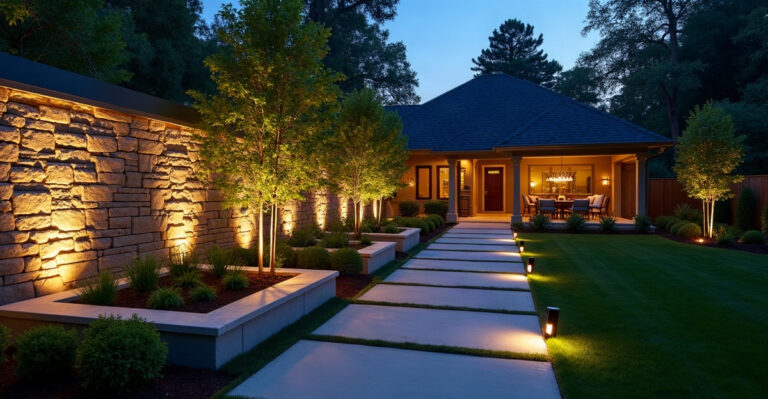
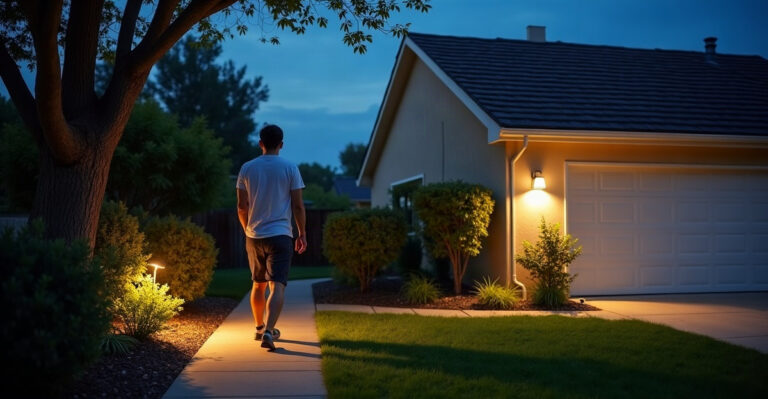
- Driveways and pathways
- New construction builds that integrate lighting from day one
- Retrofit projects that upgrade existing homes without visible wiring
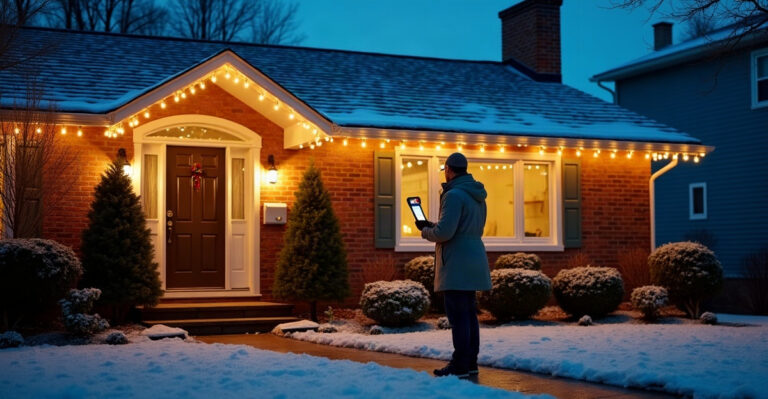
We frequently incorporate under eave lighting during retrofits to keep fixtures hidden and cleanly integrated. For full-property solutions, residential outdoor lighting creates layered illumination designed for long-term curb appeal and function.
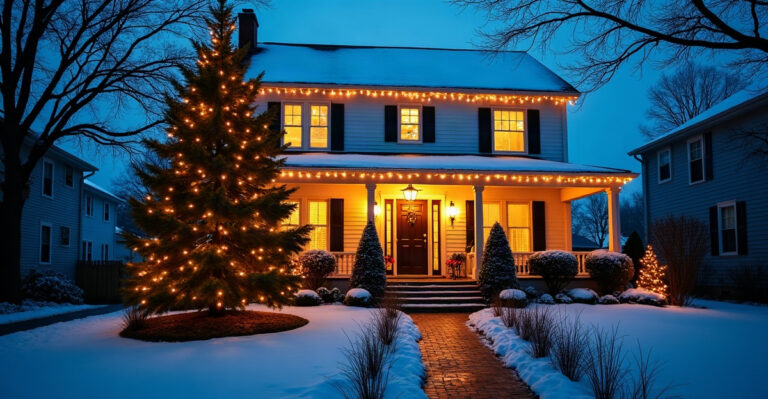
Those considering decorative use specifically can also review permanent holiday lighting applications that combine daily architectural lighting with seasonal flexibility.
Outdoor Lighting Buying Guide: Core Performance Factors That Matter Most
Performance determines whether a lighting system enhances a property or simply adds brightness. An effective outdoor lighting buying guide comparison involves brightness, color control, beam spread, and automation flexibility.
Brightness should always be measured in lumens, not watts. Watts measure energy consumption. Lumens measure visible light output.
For practical deployment:
- Higher lumen output works well for security lighting and tall façades
- Moderate lumens suit driveways and architectural highlighting
- Lower, diffused lumen levels perform best for patios and entertaining spaces
Color temperature influences mood and perception. Warm white, typically in the 2700K–3000K range, supports traditional and inviting aesthetics. Neutral to cooler white tones above 4000K create a cleaner, modern appearance and enhance nighttime visibility. RGB or RGBW systems expand flexibility with dynamic color customization.
Beam angle also impacts effectiveness. Narrow beams focus light on columns, peaks, or architectural details. Wide beam spreads wash larger areas evenly. Designers often blend both to create depth and architectural layering.
Dimming functionality provides control across seasons and events. Strong systems allow independent zone control, meaning different rooflines, yard sections, or architectural features can operate separately. Automation features like scheduling, preset scenes, and timer-based control add daily convenience.
Selecting the right combination depends on property size and usage goals. Larger structures often require zoning and higher cumulative lumen output. Smaller homes may prioritize balance and subtlety.
For an overview of high-performing systems and configuration options, readers can review best permanent outdoor lighting systems and explore top-rated permanent outdoor lights curated for durability and performance.
Durability and Weather Resistance: What Ensures Long-Term Reliability
Outdoor lighting must withstand continuous environmental exposure. Durability determines long-term reliability.
IP ratings provide a clear evaluation indicator. For exposed installations, IP65 or higher is strongly recommended. An IP65-rated system protects against dust intrusion and water spray from multiple angles. Anything lower may struggle in exposed rooflines or open yard environments.
Material selection matters equally. Powder-coated aluminum housings resist corrosion and maintain appearance over time. UV-resistant polymers prevent yellowing or cracking in high-sun environments. Fasteners should resist rust, especially in humid or coastal areas.
UL listing and local code compliance improve safety and ensure electrical integrity. Systems lacking recognized testing certifications introduce unnecessary risk.
Avoid solutions not specifically rated for permanent outdoor exposure. Seasonal products may function initially but degrade under constant UV and moisture exposure.
No lighting system is maintenance-free forever. However, high-quality permanent systems reduce the frequency of service and component replacement. Periodic inspection, cleaning, and software updates (for smart systems) maintain peak performance.
Long-term durability also depends on installation quality. Secure mounting, proper wire routing, and correct load calculations prevent premature failure.
Smart Technology and Automation Capabilities
Modern permanent lighting extends beyond illumination. App-based controls allow full system management from a smartphone or tablet. Users can adjust brightness, change color, activate scenes, or schedule triggers in seconds.
Integration with major smart home platforms supports voice commands and automation routines. Timers, astronomical scheduling based on sunset and sunrise, and custom event programming improve daily convenience.
We recommend evaluating:
- Zone grouping for independent control
- Scene creation for holidays, game days, or events
- Automation triggers tied to time or activity
- Expandability for future fixture additions
Expandable systems allow additional runs or fixtures as the property evolves. Modular controllers provide upgrade paths as technology improves.
Software support is equally important. Systems should receive updates and long-term compatibility support. Without stable software, hardware longevity loses value.
For readers who want to understand broader advantages, reviewing the benefits of smart lighting systems clarifies how automation improves convenience, security, and visual consistency.
Smart control enhances curb appeal and strengthens perimeter awareness. Coordinated lighting can support outdoor security lighting strategies while remaining visually refined.
Installation, Electrical Requirements, and Property Considerations
Electrical configuration shapes both performance and safety. Permanent systems typically use low-voltage or line-voltage architecture.
Low-voltage lighting often suits residential properties due to flexibility and increased installation safety. Transformers convert standard household current to lower voltage output. Proper load calculation ensures the transformer supports total connected fixtures without overload.
Line-voltage systems operate at standard household voltage and may require a licensed electrician depending on jurisdiction. These installations demand strict code compliance and precise wiring methods.
Retrofit installations require careful routing and concealment. Installers must integrate tracks and wiring into existing rooflines without disrupting aesthetics. New construction allows wiring pre-planning before siding or soffits are fully sealed.
Mounting systems vary. Concealed channels provide clean visual integration. Surface-mounted fixtures offer flexibility but must be color-matched and evenly aligned.
DIY installation can work for small low-voltage kits. However, permanent architectural systems generally benefit from professional installation. Mistakes in mounting, electrical calculation, or sealing can reduce lifespan and compromise safety.
Installation complexity directly influences cost. For a clear breakdown of pricing factors, reviewing the average cost of permanent outdoor lighting helps align budget expectations with project scope.
Builders often prioritize scalability and install efficiency. Designers focus on beam angles and layering. Homeowners emphasize simplicity and ease of use. A strong system supports all three perspectives simultaneously.
Long-Term Value: Energy Efficiency, Maintenance, Warranty, and Decision Checklist
LED technology significantly reduces energy consumption compared to older incandescent or halogen systems. Operating costs remain modest because LEDs convert more electricity into usable light rather than heat. Claims of extreme savings should be approached conservatively, but measurable reductions in energy use are realistic.
Modern residential LEDs are commonly rated for tens of thousands of hours of operation. Longevity depends on heat management, electrical stability, and driver quality. For further insight, reviewing how long permanent smart lights last provides performance expectations.
Serviceability also affects cost of ownership. Some systems allow individual module replacement. Others use sealed segments requiring full section replacement. Replaceable components generally improve long-term value.
Warranty coverage varies significantly. Length of coverage, inclusion of electronics, and labor terms matter. Reviewing whether permanent lights are covered by warranty clarifies what to expect before installation.
Ongoing software support is essential for smart-enabled systems. Hardware without updates can lose compatibility over time.
To confidently evaluate permanent outdoor lighting solutions, use this decision checklist:
- Does the system meet IP65 or higher for exposed areas?
- Does it provide sufficient lumen output for each intended location?
- Are RGB or adjustable color temperature options aligned with design goals?
- Is the system expandable and compatible with smart home platforms?
- Is it UL listed and compliant with local electrical codes?
- What does the warranty cover, and for how long?
Careful evaluation of these factors ensures the selected system delivers durability, flexibility, and long-term value. When ready to move forward, we recommend consulting a qualified lighting provider through our contact page to align system design with architectural goals and performance expectations.