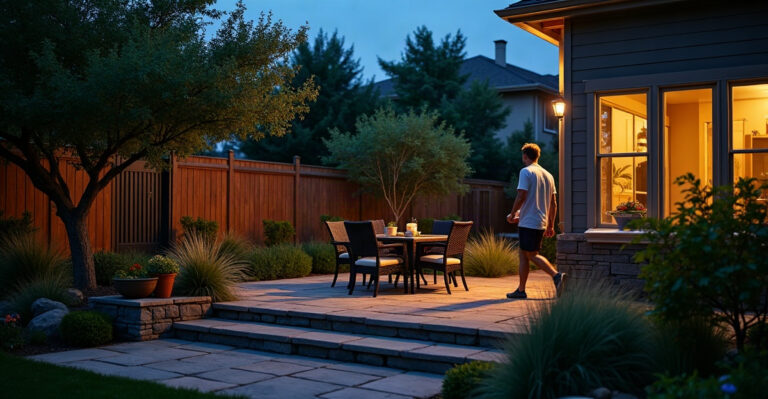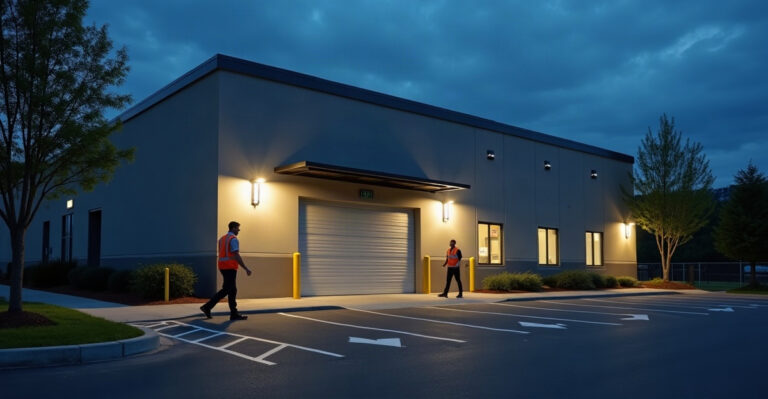
How To Layer Outdoor Lighting Like A Pro
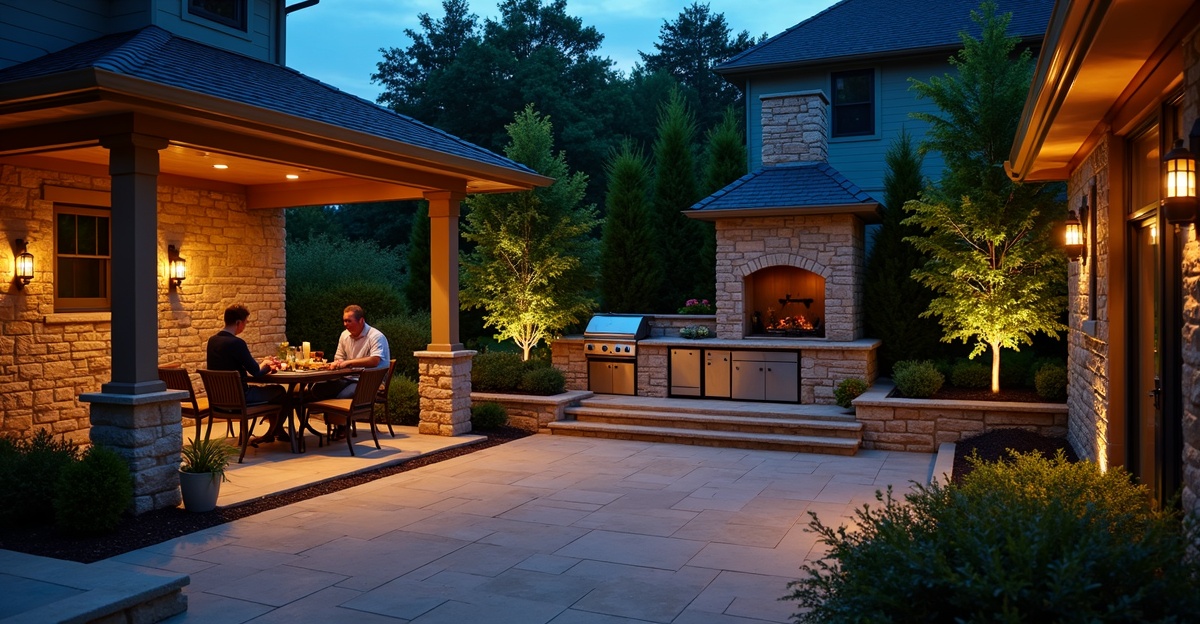
Layered outdoor lighting combines ambient, accent, and task lighting to create depth, improve safety, and shape how exterior spaces look and function after dark. We use strategic placement, balanced brightness, and smart controls to prevent flat illumination and deliver a polished, purposeful result.
Key Takeaways
- Layered outdoor lighting integrates ambient, accent, and task lighting to deliver balance, dimension, and usability.
- Ambient lighting provides overall visibility, while accent lighting creates focal points and visual contrast.
- Task lighting adds focused illumination for specific activities such as cooking, dining, and navigating steps.
- Professional results depend on proper beam angles, spacing, glare control, and brightness balance.
- Smart controls enhance flexibility with zoning, dimming, and automated schedules while strong design principles drive the overall outcome.
What Layered Outdoor Lighting Really Means—and Why It Changes Everything
Layered outdoor lighting is the strategic combination of ambient, accent, and task lighting to create depth, balance, safety, and visual interest across an exterior space. We use these layers together to shape how a property looks, feels, and functions after dark.
Relying on a single fixture type creates flat, ineffective results. One row of bright floodlights washes everything evenly. That removes contrast, erases focal points, and makes the yard feel exposed rather than inviting.
We introduce the concept of ambient vs accent lighting outdoor early in every design conversation because they are not interchangeable. Ambient lighting provides general illumination. Accent lighting draws attention to specific features. Together, they create dimension. Separately, they fall short.
Well-executed layered outdoor lighting improves safety by clearly defining paths and steps. It enhances usability for entertaining with balanced light where people gather. It strengthens architectural impact by adding highlights and shadows. It supports security through strategic illumination. It can also increase property value by giving the home a polished, intentional appearance.
Layered design changes everything because it moves from random fixtures to purposeful composition.
Ambient vs Accent Lighting Outdoor: Understanding the Core Difference
Ambient lighting creates overall visibility. It ensures we can move safely and comfortably through a space. Common examples include pathway lighting, perimeter fixtures, wall-mounted lights, and under-eave lighting that washes large areas with soft, even light.
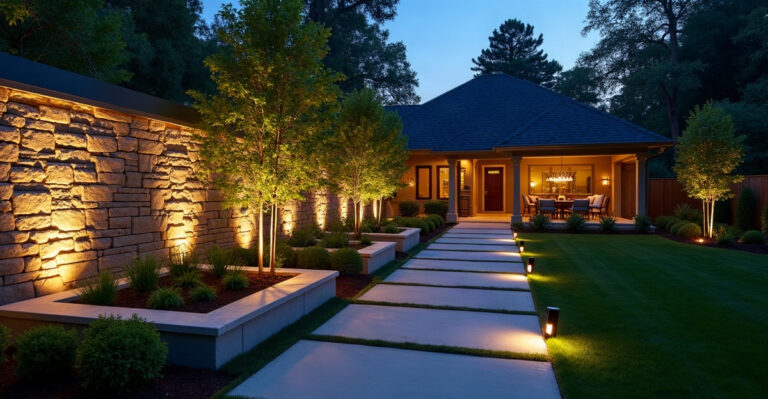
Accent lighting is directional. It highlights features such as trees, textured walls, stone columns, sculptures, or water elements. We use controlled beams to create focal points and visual depth. If you want a deeper dive into feature lighting, we explore the fundamentals in accent lighting explained here.
The difference becomes clear in practice:
- Ambient lighting evenly lights a patio so guests can move safely.
- Accent lighting uplights a feature tree or façade column to create drama and depth.
Combining ambient vs accent lighting outdoor prevents flat lighting. Even illumination alone feels static. Adding contrast and shadow makes the space dynamic and layered.
Placement principles matter. We consider beam spread so light covers the intended area without harsh hotspots. We set intensity carefully because brighter is not automatically better. We vary mounting heights to avoid a single light plane. We manage glare with shielded fixtures and proper aiming. We space fixtures evenly for consistent presence without overcrowding.
Many homeowners assume stronger output equals better results. In reality, balance wins. Well-distributed moderate light almost always outperforms a few overly bright fixtures.
Professionals understand that thoughtful outdoor accent lighting adds dimension without overpowering ambient illumination.
Adding the Third Layer: Task Lighting for Function and Safety
Task lighting forms the third essential layer. It differs from ambient and accent lighting because it serves a specific activity. We focus this light exactly where work or movement requires clarity.
Common examples include:
- Under-counter lighting in an outdoor kitchen.
- Step lights integrated into deck risers.
- Focused downlights above a dining table.
- Clear illumination at pool entries and transitions.
Task lighting improves safety and usability. It prevents shadows on stairs. It allows food preparation to stay precise. It ensures guests can see clearly during evening gatherings.
The key is control. Task lighting should enhance function without overpowering ambient light. We avoid high-glare fixtures directly in seating sightlines. We aim fixtures downward and shield them carefully. We balance brightness so the eye transitions smoothly between layers.
When ambient, accent, and task lighting work together, the full effect of layered outdoor lighting comes into focus. Spaces feel natural rather than artificially bright. Features stand out without harsh contrast. Activities remain safe and comfortable.
This integration is central to effective residential outdoor lighting design.
Design Principles Professionals Use (Placement, Angles, and Light Quality)
Strong lighting design starts with principles, not products. Fixtures matter, but placement and light quality define the outcome.
We use varying mounting heights to create dimension. Some lights sit low along pathways. Others mount overhead under eaves. Accent fixtures often hide within landscaping. This vertical layering adds depth.
Beam angle and spread determine how light interacts with surfaces. Narrow beams highlight columns or tree trunks. Wider spreads wash walls or hedges softly. Avoiding harsh hotspots keeps lighting refined.
Even spacing along pathways creates consistent guidance. Irregular placement causes distracting bright and dark patches.
Glare control remains essential. Shielded fixtures, thoughtful aiming, and avoiding direct line-of-sight exposure prevent discomfort. Outdoor spaces should feel inviting, not blinding.
Brightness balance is just as important. Over-lighting destroys atmosphere. Extremely cool, high-output light can feel clinical. Strategic shadow creates drama and depth without adding more fixtures.
We also guard against common mistakes:
- Lighting the entire yard evenly with no focal points.
- Ignoring zoning, which prevents flexibility.
- Failing to include dimming options.
- Treating security lighting as separate from design.
Architectural lighting especially benefits from professional placement. Strategic highlighting can dramatically reshape a home’s presence. We often reference guidance on highlighting architecture with smart lights to illustrate how angles and shadow define structure.
Good design looks effortless, but it always follows clear principles.
A Simple Planning Framework You Can Apply to Any Outdoor Space
We recommend following a structured process before installing any fixtures. This simple framework works for patios, pathways, façades, and pool areas alike.
Step-by-step Planning Checklist
- Identify how the space is used: entertaining, relaxing, cooking, swimming, walking.
- Map ambient lighting zones for safe movement and overall visibility.
- Choose two or three key focal points for accent lighting.
- Add task lighting only where function demands clarity.
- Evaluate brightness and spacing before final installation.
Apply this to a patio entertaining area by first lighting circulation paths and seating edges. Next, select a focal point such as a feature wall or tree. Add task lighting over the dining table or grill. Review the setup at night and adjust angles before finalizing.
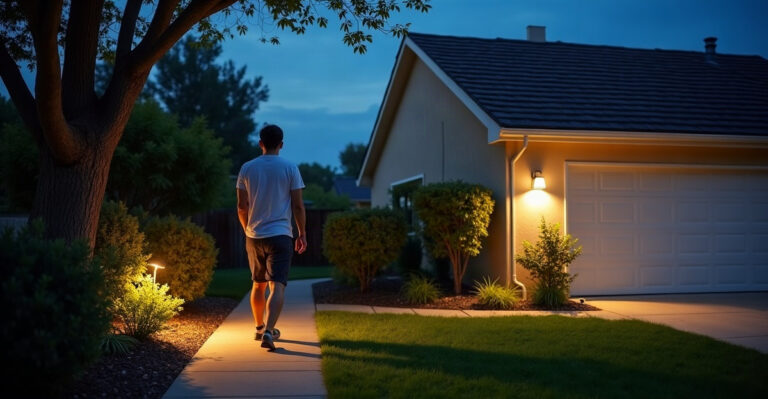
In a garden pathway, start with consistent, low-level ambient lighting for safe steps. Then highlight one or two landscape features to avoid monotony.
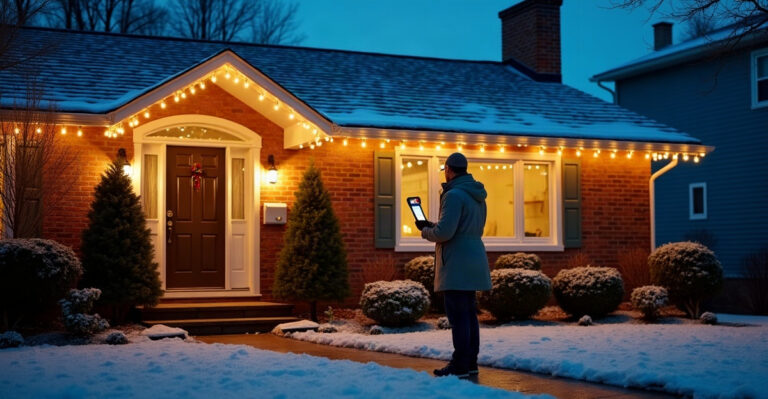
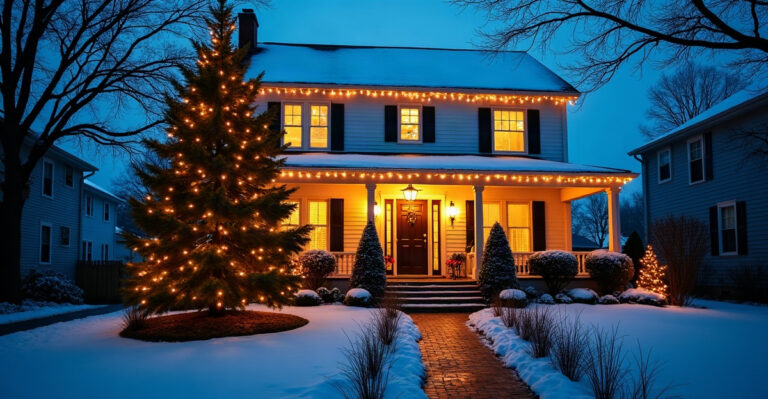
For a front façade, combine soft perimeter lighting with strategic accent illumination along architectural lines. Ideas like roofline lighting transformations demonstrate how upper-level accents add dimension without excess brightness.
Pool and water features benefit from perimeter ambient lighting, subtle accent reflections, and focused step illumination for entries.
We recommend observing any lighting system after sunset during test runs. Nighttime adjustments prevent costly redesigns and ensure long-term satisfaction.
Enhancing Layered Outdoor Lighting with Smart Control and Automation
Smart technology enhances layered outdoor lighting, but it never replaces strong design fundamentals. We treat automation as a refinement layer.
Smart control offers zoning flexibility. Separate scenes can balance ambient, accent, and task lighting for entertaining, relaxation, or security. Dimming supports proper brightness balance throughout the evening. Automated schedules activate lighting at sunset and reduce intensity later at night.
Scene-setting becomes simple. A gathering can call for warmer ambient tones and subtle accent highlights. A security scene can increase perimeter visibility while keeping focal features lit.
These systems also support energy efficiency through controlled runtime and monitoring. More importantly, smart control preserves the relationship between ambient vs accent lighting outdoor by allowing programmable balance adjustments.
Thoughtful automation strengthens long-term performance and usability. We guide clients carefully through options without overwhelming them. Education always comes first.
For personalized help planning smart exterior systems, we encourage connecting with our team through our lighting consultation service. At Big Pig Smart Lighting, we focus on clarity, practical design, and solutions that elevate outdoor spaces with confidence and precision.