Minimalist Outdoor Lighting: Clean & Elegant Setups
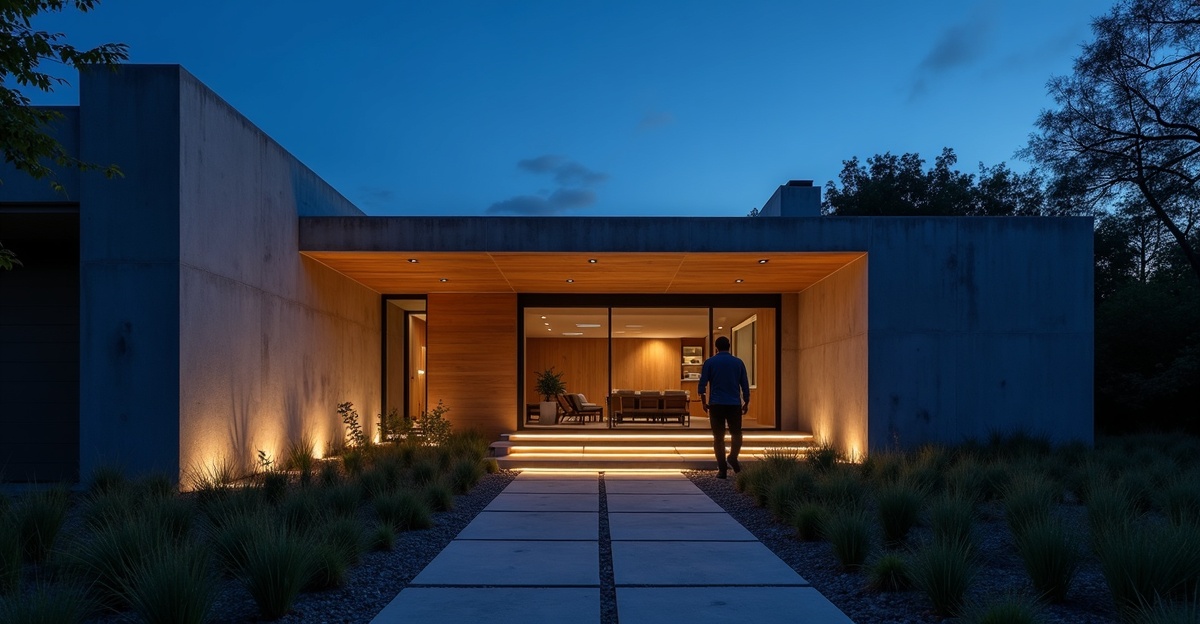
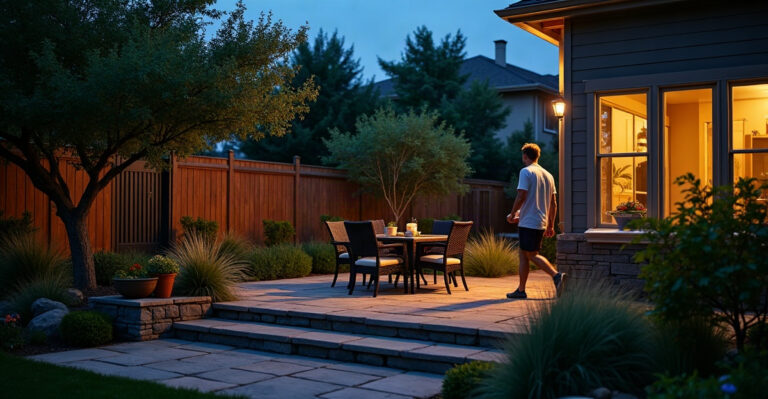
Minimalist outdoor lighting centers on purposeful, low-profile illumination that highlights architecture and landscape features while keeping fixtures discreet and visually quiet. We focus on clean, elegant compositions that rely on restraint, concealed light sources, layered control, warm color temperatures, and glare reduction. Our goal is clear. We deliver safety, code compliance, and refined nighttime aesthetics without visual clutter.
Key Takeaways
- Minimalist outdoor lighting emphasizes form, texture, and movement while we hide hardware and preserve negative space.
- Clean setups rely on fewer, well-placed fixtures, balanced brightness, warm 2700K–3000K color temperatures, and controlled beam spreads.
- Recessed fittings, shielded bollards, wall washers, and concealed strip lighting minimize glare and protect architectural clarity.
- Zoning, dimming, motion sensors, and automation increase flexibility, improve energy performance, and support daily use without adding visual noise.
- Successful results demand detailed planning so we avoid over-lighting, uneven spacing, mismatched color temperatures, and exposed wiring.
What Minimalist Outdoor Lighting Really Means (And What It’s Not)
Minimalist outdoor lighting is purposeful, low-profile illumination that enhances architecture and landscape without drawing attention to the fixtures themselves. We focus on lighting what matters while keeping hardware discreet and visually quiet.
This approach relies on restraint, negative space, concealed light sources, layered control, warm color temperature, glare reduction, and intentional placement. The goal is simple: reveal form and texture without showcasing the source. Light should highlight materials, lines, and depth. It should not compete with them.
True minimalist outdoor lighting uses subtle transitions and balanced brightness levels. It integrates seamlessly into modern façades, courtyards, and landscapes. Many homeowners exploring permanent lighting ideas for modern homes quickly discover that the cleanest results come from hidden systems rather than decorative fixtures.
Minimal design does not mean under-lighting. We still ensure pathways, entries, driveways, and level changes meet safety expectations and local regulations. Poor visibility creates risk. Minimalism supports clarity and compliance. It does not sacrifice function.
This style also avoids common mistakes. It is not harsh cool-white floodlighting that washes out texture. It is not randomly spaced fixtures producing hot spots and dark gaps. It is not cluttered posts, exposed wiring, or inconsistent finishes.
Many subtle outdoor lighting ideas succeed because they remove visual noise while keeping performance high. The result feels effortless. In reality, it is carefully measured and precisely installed.
The Core Design Principles Behind Clean & Elegant Setups
Clean and elegant setups depend on thoughtful control and disciplined design decisions.
Restraint comes first. We use fewer fixtures, placed intentionally, with spacing that prevents over-lighting. Too many fixtures flatten the scene and eliminate contrast.
Negative space plays a major role. Shadow is not a flaw. It adds depth, drama, and architectural dimension. Leaving areas unlit makes illuminated features stand out.
Concealed light sources maintain visual clarity. Recessed fittings, integrated strip lighting, and hidden uplights behind planting keep hardware out of sight. Many homeowners ask what these systems look like in daylight. Solutions such as those explained in hidden lighting tracks show how modern installations preserve clean rooflines and façades.
Layered control keeps performance strong without overwhelming the eye. We balance ambient lighting for overall visibility, accent lighting for features, and task lighting for safety zones. Readers who want a clearer breakdown can explore what accent lighting is to see how it contributes to layered design.
Warm color temperature supports residential comfort. We typically recommend 2700K to 3000K. This range produces inviting warmth and avoids sterile blue tones.
Glare reduction is essential. Shielded fixtures, downward-facing fittings, and correct beam angles prevent discomfort and visual distraction.
Beam spread matters more than many realize. Narrow beams between 15°–30° work well for highlighting trees, sculptures, or columns. Wider beams around 40°–60° wash walls and provide general illumination.
In a modern courtyard, instead of installing visible pole fixtures, we may integrate linear strip lighting beneath bench seating. The light defines edges and seating areas, but the hardware disappears. That balance connects design-forward living environments with practical usability.
Where Subtle Outdoor Lighting Ideas Work Best in Real Spaces
Subtle outdoor lighting ideas perform best where structure and movement need definition without visual clutter.
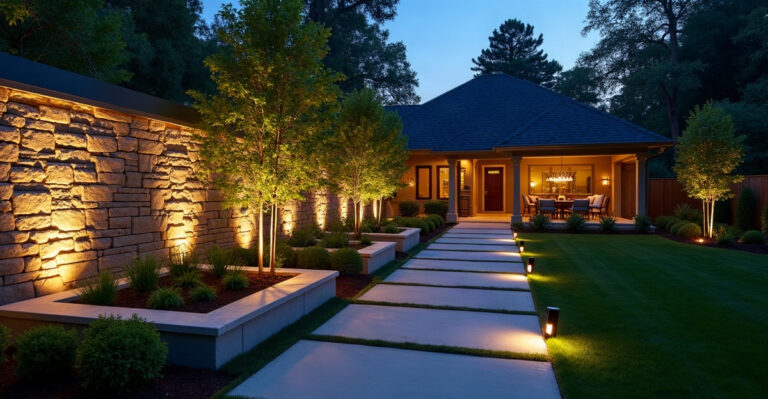
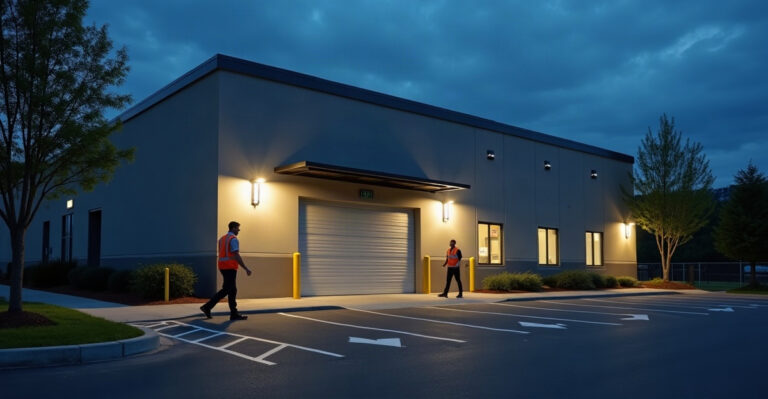
Pathways and driveways benefit from low-level bollards with shielded output or recessed in-ground markers. Consistent spacing prevents scalloping and dark gaps. Even illumination ensures safe movement while preserving calm aesthetics. A linear edge-lit driveway often feels cleaner than a row of tall posts.
Facades respond well to wall washers that gently reveal texture. Stone, brick, and rendered surfaces gain depth through soft grazing light. Harsh uplighting, by contrast, produces glare and strong vertical shadows. Those refining façade presentation can review strategies outlined in highlighting architecture with smart lights.
Decking and terraces require careful edge definition. Recessed deck lights or under-rail strip lighting mark boundaries without interrupting sightlines. Steps and transitions must remain clearly visible.
Gardens deserve selectivity. We highlight sculptural trees or specimen plants instead of lighting every shrub. One carefully placed uplight can anchor a whole planting area. Many modern concepts overlap with broader modern outdoor lighting design ideas, especially when blending landscape and architecture.
Water features respond beautifully to concealed submersible lighting. Soft reflections amplify movement without overpowering the surrounding space.
Coastal properties present additional considerations. Corrosion-resistant recessed fixtures maintain a clean profile and withstand environmental exposure. Contemporary homes often integrate under-eave solutions to wash vertical lines without visible attachments. Discreet systems such as under-eave lighting can provide subtle façade illumination with minimal hardware exposure.
In every scenario, safety and aesthetics must work together. Entries, level changes, and perimeters require clarity. Minimal design still supports confident movement across the property.
Choosing the Right Fixtures Without Visual Clutter
Fixture selection determines whether minimalist outdoor lighting succeeds or feels pieced together.
Recessed Lights
Ideal for steps, decking, and pathways. Their flush finish preserves clean lines and reduces trip hazards.
Bollards
Work best when used sparingly. Slim profiles with downward-shielded designs prevent glare and reduce visual bulk.
LED Strip Lighting
Performs exceptionally under benches, along handrails, and beneath architectural overhangs. Outdoor installations must use waterproof, IP-rated solutions suitable for external exposure.
Wall Washers
Provide subtle façade illumination without creating hotspots. Proper positioning ensures even distribution.
Uplights
Serve feature trees, columns, and sculptural elements. Placement must avoid shining directly into eye level.
Light output requires restraint. Excessive lumens flatten contrast and eliminate the soft transitions that define clean design. Dimmable fittings allow us to fine-tune brightness after installation.
Energy efficiency strengthens the system overall. LED technology reduces consumption and extends lifespan. Timers and smart controls limit unnecessary runtime.
Avoid common mistakes that undermine results:
- Visible wiring or surface conduits that disrupt clean lines
- Mismatched color temperatures across different areas
- Inconsistent beam spreads producing uneven patterns
Integrated systems from experienced providers in residential outdoor lighting projects typically address these issues during planning, long before installation begins.
Smart Integration: Zoning, Dimming, and Automation Made Simple
Smart integration gives minimalist outdoor lighting flexibility and long-term efficiency.
Zoning separates pathways, feature lighting, and entertainment areas. Each zone operates independently, allowing different mood levels across the property.
Dimming supports adaptability. We lower brightness for relaxed evenings and increase levels for gatherings or practical tasks.
Motion sensors raise light output when movement is detected in lower-traffic zones. This approach improves visibility while reducing constant energy use. Security layers can integrate discreetly with outdoor security lighting solutions to maintain clean aesthetics without sacrificing protection.
Automation schedules bring consistency. Sunset-to-sunrise settings simplify daily operation. Customized scenes enhance usability.
Common scene examples include:
- “Evening Relax” with reduced ambient and soft accents
- “Entertain” with brighter patio and pathway zones
- “Away Mode” maintaining perimeter visibility
Smart compatibility ensures systems integrate with broader home automation platforms.
A clear framework helps simplify implementation:
- Plan: Assess architecture, landscape, safety zones, and compliance requirements.
- Select: Choose low-profile, glare-controlled fixtures in warm color temperatures.
- Position: Test spacing, beam angles, and concealment during installation.
- Automate: Establish zoning, dimming, and schedules.
- Refine: Adjust after observing real-world nighttime performance.
This step-by-step approach keeps the process straightforward, even for those with limited technical experience.
Planning, Costs, and Common Mistakes to Avoid
Over-lighting is one of the most common errors. Too many fixtures or excessive brightness eliminates negative space and creates visual fatigue.
Cool color temperatures can also disrupt residential warmth. Blue-toned lighting undermines architectural textures and comfort.
Insufficient planning leads to inconsistent spacing, uneven beam angles, and poorly coordinated zones. Mapping layout and output before installation prevents expensive rework.
Local regulations may limit brightness levels or require compliance in environmentally sensitive areas. Coastal and wildlife-sensitive zones often impose additional restrictions.
Integrated smart and recessed systems require careful electrical planning. Professional installation ensures safety, longevity, and clean finishing. Clients exploring options can connect directly through our lighting consultation team for tailored guidance.
Costs vary based on fixture quality, control complexity, installation depth, and property size. Smart controls may raise initial investment but often reduce long-term operating costs through energy savings and automation.
Common brightness questions arise frequently. Pathways should provide low-level, evenly distributed illumination rather than spotlight intensity. Large properties can absolutely use minimalist lighting by zoning and layering to maintain cohesion. Existing LED systems often integrate with updated smart controllers, making upgrades feasible without full replacement.
Minimalist outdoor lighting demands planning, precision, and technical clarity. We approach each project with a focus on safety, aesthetics, and intelligent control, ensuring every installation remains clean, functional, and visually refined.