Modern Outdoor Lighting Design Ideas For Homes
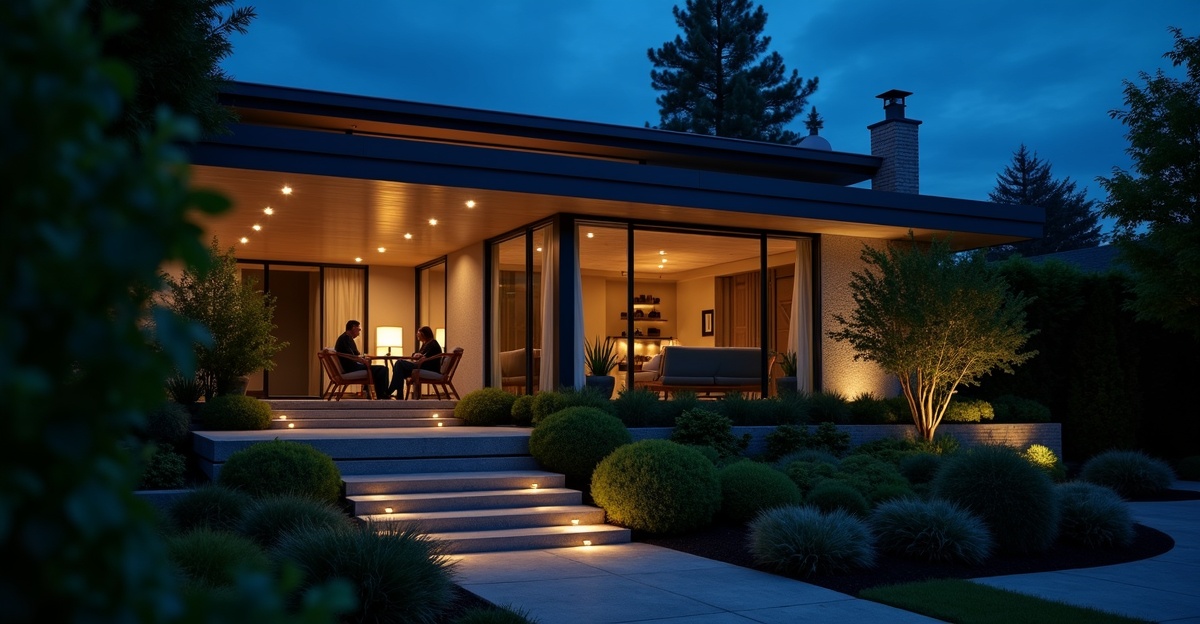
Modern outdoor lighting ideas combine clean lines, concealed fixtures, and layered illumination to highlight architecture, improve safety, and extend living spaces beyond sunset. We integrate facade, pathway, landscape, and smart LED systems with precise beam angles, glare control, zoning, and energy‑efficient automation to create cohesive, future‑ready residential exteriors.
Key Takeaways
- Layered lighting—ambient, task, and accent—creates depth, improves functionality, and prevents flat or overly bright outdoor spaces. We balance these layers to deliver comfort and visual interest.
- Proper beam angle selection, fixture spacing, and glare control ensure balanced illumination across facades, pathways, and landscape features. We position every fixture with purpose to avoid shadows and hotspots.
- Safety and performance come first, with higher illumination at entries and steps, IP-rated fixtures for durability, and code-conscious planning. We treat compliance and weather resistance as core design requirements.
- Zoning and automation, including motion sensors and smart controls, increase flexibility, security, and energy efficiency. We configure systems that adapt to daily routines and seasonal changes.
- Early electrical and system planning, especially for low-voltage LED setups and future expansion, reduces installation issues and long-term costs. We coordinate infrastructure early to support seamless upgrades later.
Design Principles That Define Modern Outdoor Lighting
Modern outdoor lighting ideas focus on clean lines and subtle integration. Contemporary exterior lighting hides the hardware and lets the architecture and landscape take center stage.
We avoid visible clutter. Instead, we integrate light sources under eaves, within hardscape elements, and along architectural lines. The result feels intentional and refined rather than decorative or busy.
Layered lighting defines strong modern design. We build every project around three essential layers:
- Ambient lighting for an overall glow across patios, lawns, or facades
- Task lighting for pathways, steps, and entry points
- Accent lighting for feature walls, trees, and architectural details
This layered lighting approach keeps the space functional while creating visual depth. Without layers, outdoor spaces either feel flat or overly bright.
Modern outdoor lighting must balance aesthetics with performance. We prioritize safety, code compliance, and energy efficiency before styling details. Entrances and stair treads require higher illumination levels, while relaxation areas benefit from softer ambient light. Brightness should guide movement without overwhelming the eye.
Beam angle selection shapes the final effect. A narrow beam angle, typically 10–25°, highlights columns, tree trunks, or sculptural forms with precision. A wider beam angle, 40° or more, supports wall washing and broader surfaces such as brick facades or rendered walls. Choosing the wrong beam angle results in uneven brightness or wasted light.
Every lighting plan responds directly to the home’s architecture and materials. Modern cube homes often benefit from concealed linear LEDs and sharp downlighting. Heritage facades respond better to warm white uplighting that respects symmetry and texture. Stone and brick surfaces hold shadows differently than smooth timber or metal cladding, so fixture placement and intensity must adapt accordingly.
Glare control remains central to contemporary exterior lighting. We specify shielded optics and proper aiming to protect visual comfort. Dark-sky considerations also guide fixture selection. We reduce unnecessary upward light spill to limit light pollution and respect surrounding properties.
Strong design always blends beauty, safety, and technical discipline. That balance defines modern outdoor lighting ideas that last.
Facade and Architectural Lighting That Elevates the Home Exterior
Thoughtful facade lighting ideas transform a home after sunset. We emphasize structure and texture rather than flooding the entire exterior with light.
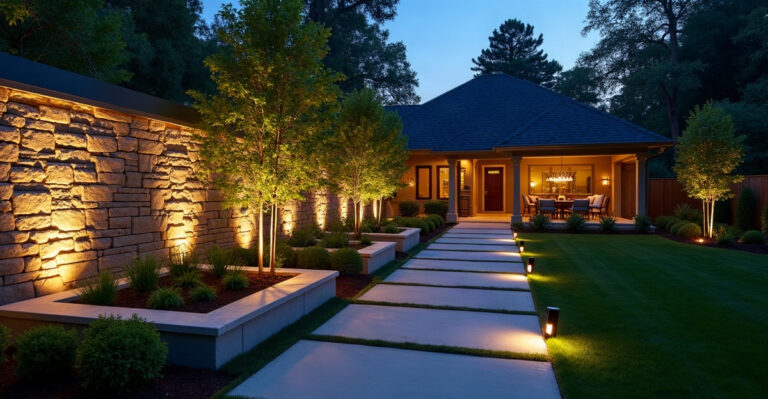
Wall grazing positions fixtures close to a textured surface. Narrow beams highlight stone, brick, or timber grain by casting controlled shadows. Wall washing places fixtures slightly farther from the wall and uses wider beams to create even illumination across a flat surface.
Uplighting and downlighting add vertical drama. Uplights positioned at the base of columns or fins draw the eye upward. Downlights mounted under overhangs define doorways and circulation routes.
Spacing and placement matter. Fixtures placed too far apart create scalloping effects with bright hotspots and dark gaps. Installing lights too close to the wall can produce harsh vertical streaks. Proper offset and consistent spacing generate smooth distribution and visual harmony.
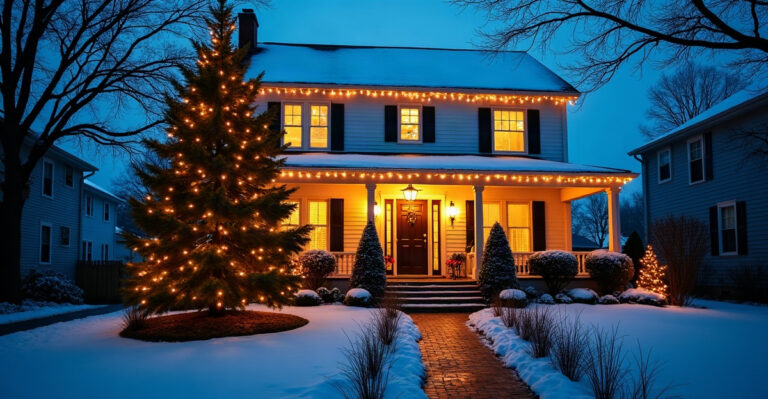
Consider two practical examples. A modern cube home often incorporates concealed linear LEDs integrated into under-eave lighting for crisp downward emphasis without visible fixtures. A heritage-style facade benefits from warm white uplighting that enhances symmetry while preserving character.
Brightness balance prevents harsh contrast. We avoid spotlighting a single element while leaving adjacent surfaces in darkness. Balanced facade lighting ideas create cohesion across the entire elevation.
Weather protection remains essential. For exposed facade locations, we recommend fixtures rated at least IP65. IP ratings confirm resistance to dust and water, which extends fixture life and reduces maintenance.
Electrical planning plays a critical role. The choice between low-voltage vs. line voltage affects installation depth, transformer requirements, and cable routing. Low-voltage systems provide flexibility and energy efficiency for many residential applications. Line voltage may suit certain architectural installations with longer runs or higher output demands. We plan wiring early, ideally before hardscape or cladding installation, to avoid costly retrofits.
For deeper architectural strategies, we expand on these methods in our guide on highlighting architecture with smart lighting.
Pathway, Driveway, and Entry Lighting for Safety and Visual Flow
Pathway lighting improves safe movement and defines direction. Driveway lighting clarifies vehicle access and reduces trip hazards. These elements support both compliance and comfort.
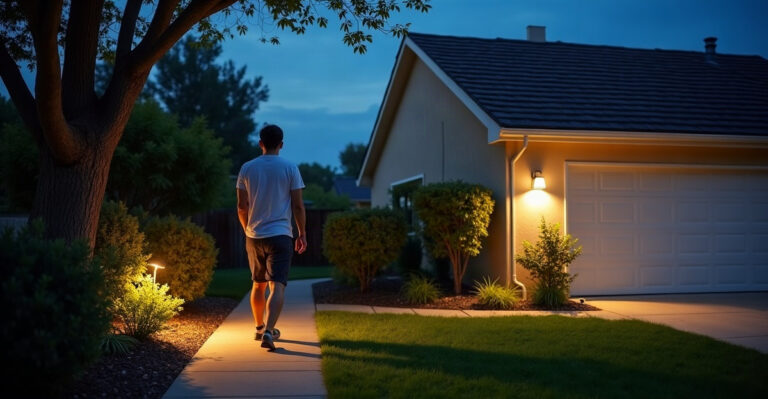
We avoid runway-style symmetry with path lights placed directly opposite each other. Staggered placement reduces glare and creates a softer rhythm along garden edges. Shielded fixtures aim light downward to protect the eyes of pedestrians and neighbors.
Step illumination requires precision. We recommend lighting each step individually with recessed or integrated step lights. This method reduces shadowing and minimizes trip risk.
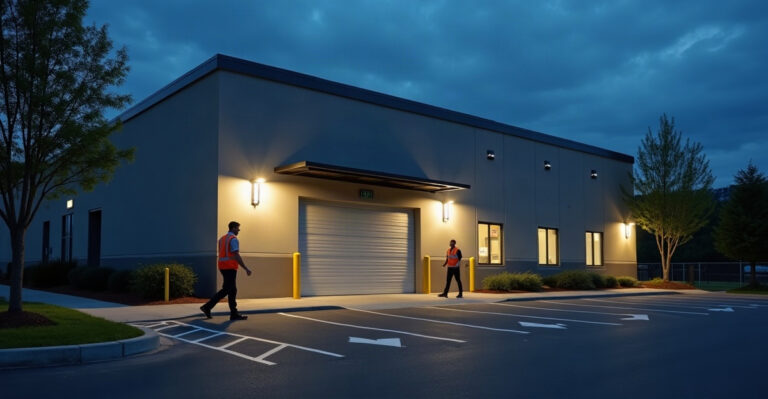
Entry points demand higher brightness than leisure areas. Thresholds, garage doors, and front doors benefit from stronger illumination. Garden paths and secondary walkways should remain softer to preserve atmosphere.
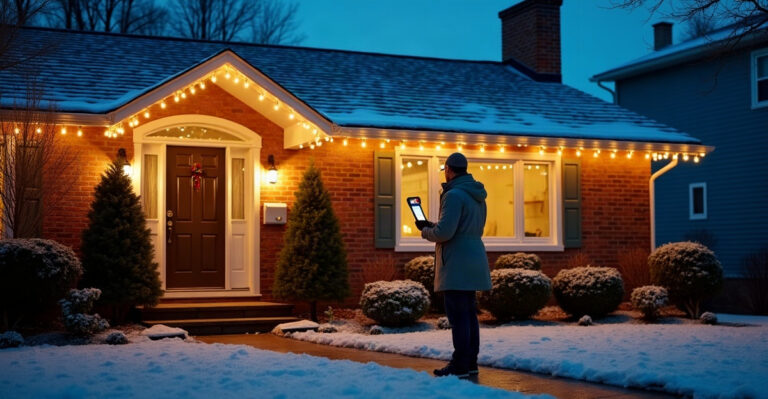
Automation enhances convenience and efficiency. Motion sensors activate light only when needed, improving security and reducing unnecessary runtime. Dusk-to-dawn sensors ensure exterior lights operate automatically based on natural daylight levels. These features support energy-conscious modern outdoor lighting ideas without sacrificing performance.
Zoning adds flexibility. We separate driveway lighting, pathway lighting, and entry lights onto individual circuits. Zoning allows different scenes for daily arrival, entertaining guests, or late-night security checks. We often integrate driveway lighting into broader outdoor security lighting strategies for a cohesive approach.
Glare reduction remains a constant priority. Proper shielding and aiming protect comfort while reducing light pollution across property lines.
Thoughtful pathway lighting creates visual flow from street to entrance. It should guide movement naturally, blending practicality with understated contemporary exterior lighting.
Garden, Landscape, Deck, and Patio Lighting Zones
Contemporary exterior lighting extends living spaces beyond walls. We treat gardens, decks, and patios as functional outdoor rooms with defined zones.
Garden lighting highlights planting beds and feature trees. Uplighting accentuates branching structure and canopy spread. Downlighting from pergolas or overhead structures creates soft pools of light on seating areas.
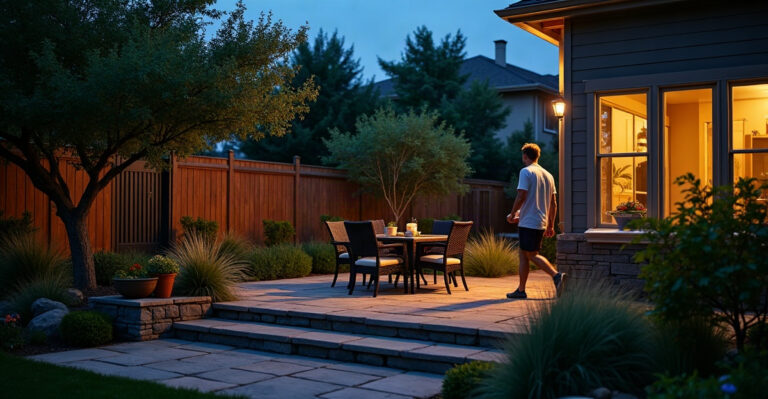
Deck lighting and patio lighting require layered lighting techniques. Integrated strip lighting beneath seating edges or stair noses provides subtle task visibility. Accent lighting highlights planters or water elements without overpowering the scene.
Consider a landscaped layout divided into three zones:
- Ambient lawn lighting sets a gentle base level.
- Accent fixtures illuminate key trees and sculptural elements.
- Task lighting focuses on an outdoor dining table and grill area.
This layered lighting avoids over-lighting while delivering clarity and atmosphere.
Durability affects long-term performance. Ground-installed fixtures must meet appropriate IP ratings and include proper drainage. Corrosion-resistant finishes prevent rust and discoloration. We avoid placing luminaires directly in irrigation spray zones that may cause premature damage.
Light spill control protects neighbors and reduces light pollution. Downward-facing optics and careful beam angle selection keep illumination within property boundaries.
Strategic landscape lighting defines edges, shapes sightlines, and supports relaxation. We expand on fixture selection and installation approaches in our resource on best permanent outdoor lights.
Smart, Energy-Efficient, and Future-Ready Outdoor Lighting Systems
LED technology forms the backbone of modern outdoor lighting ideas. LEDs consume significantly less energy than traditional halogen sources and offer long operational lifespans. Reduced maintenance lowers long-term ownership costs.
Understanding core metrics helps clarify planning. Lumens measure total brightness output. Higher lumens mean more visible light. Color temperature defines the warmth or coolness of white light. Lower Kelvin values create warm, inviting tones, while higher values produce crisp, cooler light suited to contemporary designs.
Smart outdoor lighting allows full control through apps, voice assistants, geofencing, and scheduling. Scenes adjust brightness and zones for entertaining, quiet evenings, or heightened security. Dimming and timers enhance energy efficiency while preserving atmosphere.
Smart home integration connects lighting with broader automation systems. We coordinate facade lighting, garden lighting, and driveway lighting under unified controls. Zoning supports flexibility and simplifies adjustments.
Dark-sky considerations remain integrated even in advanced systems. We configure fixtures to minimize upward spill and reduce light pollution while maintaining safety standards.
Planning early prevents limitations later. Low-voltage systems require correctly sized transformers to support total wattage. We assess circuit capacity and future expansion at the design stage. Coordinating wiring before construction completion reduces disruption and cost.
A cohesive strategy removes uncertainty. Clear placement principles, appropriate brightness levels, and thoughtful automation create reliable, future-ready installations. Professional consultation often brings together architectural sensitivity, energy efficiency, and technological integration into one streamlined system.
We continue to refine and showcase modern outdoor lighting ideas through practical guidance and project planning support. For tailored insight or technical assessment, we encourage connecting with our team at our lighting specialists.