Can You Install Permanent Lights On Any Roof Type?
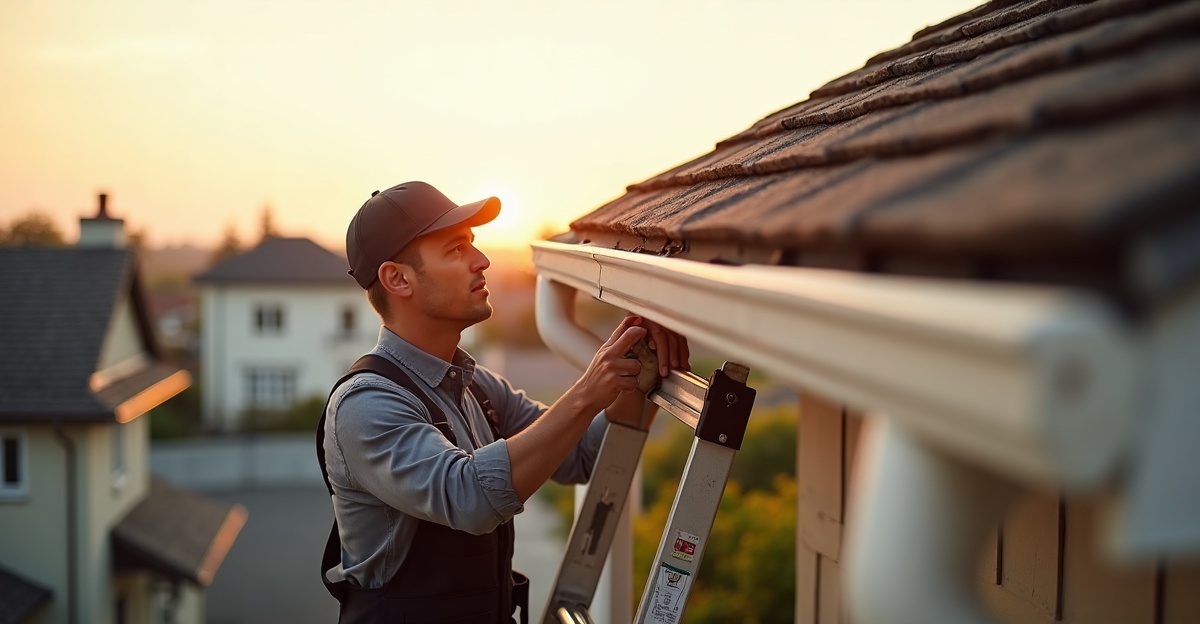
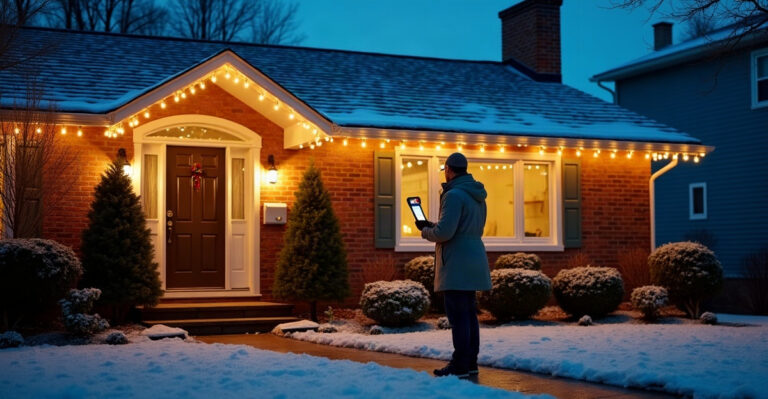
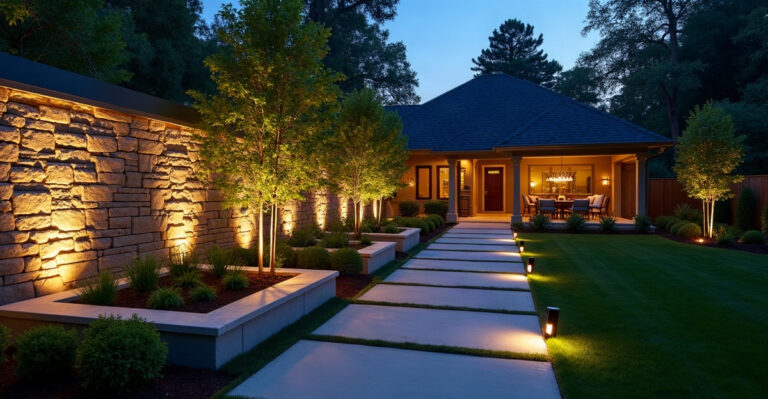
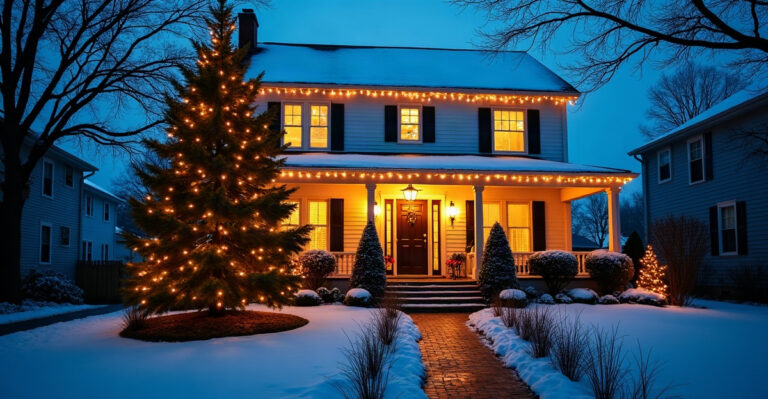
Permanent lights roof compatibility depends on mounting location, roof material, structural condition, and adherence to manufacturer guidelines rather than the roofing surface alone. We find that most residential roofs—including asphalt shingles, tile, metal, and flat systems—can support permanent lighting when we protect waterproofing layers, ventilation pathways, and structural components during installation.
Key Takeaways
- Most roof types can support permanent lighting when systems mount to soffits, fascia, or drip edges instead of penetrating roofing materials.
- Roof pitch, material condition, fascia integrity, and waterproofing layers directly affect installation planning and long-term performance.
- Asphalt, tile, metal, and flat roofs each require specific mounting strategies to prevent leaks, allow for expansion, and preserve structural strength.
- Improper attachment can void roof warranties, but professional installation that follows manufacturer specifications helps maintain coverage.
- A professional evaluation confirms compatibility, code compliance, and safe integration before installation begins.
Permanent Lights Roof Compatibility: What Determines If Your Roof Can Support a System?
Permanent lights roof compatibility depends primarily on how and where the system mounts. Most residential roof types can support a permanent lighting system, but the installation method changes based on material, pitch, structure, and access.
We focus first on mounting strategy rather than the roofing surface itself. In many cases, we install lighting along the soffits, fascia, or drip edge instead of penetrating shingles or tiles. That approach protects waterproofing layers and preserves structural integrity. Roof penetration is often avoidable, especially with under-eave mounting systems that attach cleanly to trim boards rather than the roof deck.
Several structural factors determine compatibility:
- Roof pitch and accessibility
- Condition and age of roofing materials
- Presence of ice/water shield beneath shingles
- Ventilation pathways in soffits and attic spaces
- Structural integrity of fascia boards
A steep or complex roofline increases labor and safety requirements. Aging materials may require repairs before installation. Damaged fascia can’t properly anchor lighting tracks. Ice/water shield layers must remain intact to prevent leaks. Every one of these factors plays a role in long-term performance.
Cost may also vary based on roof height, architectural complexity, and material type. Tile and metal often require specialized hardware. Multi-level rooflines increase installation time. None of these automatically disqualify a home, but they do influence planning.
Before we quote a system, we evaluate feasibility in person. That ensures the lighting integrates cleanly without compromising waterproofing, ventilation, or structural support.
Installing Permanent Lights on Asphalt Shingles: What Homeowners Should Know
Asphalt shingles are the most common roofing material in residential construction. They typically offer the most straightforward path when homeowners want to install lights on shingles.
We rarely attach lighting directly through the shingle surface. Instead, we prefer mounting:
- Under soffits for a clean, hidden look
- Onto the fascia board for structural stability
- Near the drip edge without penetrating shingle layers
Avoiding direct shingle penetration protects the underlayment and ice/water shield beneath the surface. Driving fasteners through shingles can create water intrusion pathways. Even small holes can allow moisture into the decking over time.
Roof warranty implications must also be considered. Shingle manufacturers specify fastening methods and approved attachment points. Improper installation may void coverage. A professional installation team understands how to preserve both waterproofing layers and manufacturer requirements.
Older roofs deserve additional attention. Brittle shingles, loose flashing, or lifting edges should be inspected before installation. In some cases, addressing minor roofing repairs first helps avoid future performance issues.
Electrical safety also matters. We use low-voltage systems with weather-rated components and secure wiring routes. Proper routing prevents exposed conductors and ensures safe long-term operation.
When installed correctly, permanent lighting integrates seamlessly with asphalt roofs without compromising performance.
Tile Roof Lighting: Special Considerations for Clay and Concrete Tile
Tile roof lighting requires a different approach from asphalt systems. Clay and concrete tiles are durable but fragile under concentrated pressure. Walking on them incorrectly can create cracking risk. Drilling through tiles without proper technique can cause leaks.
For this reason, we avoid fastening directly into tiles. Instead, we mount systems to fascia boards or use specialized brackets engineered for tile profiles. Those brackets accommodate S-tile curves or flat tile layouts without stressing the material.
Tile systems include underlayment beneath the visible layer. That underlayment forms the true waterproofing barrier. Improper attachment can disrupt this layer and lead to costly repairs. Protecting waterproofing is always a top priority.
Different tile profiles require customized spacing and bracket positioning. Variations in shape affect how securely lighting tracks sit beneath the roofline. Experienced installers understand these nuances and plan attachment points carefully.
Homeowners who want more detail can review our dedicated guide on permanent lighting on tile roofs. Every clay or concrete tile installation should begin with a professional evaluation to confirm compatibility.
Metal Roofs and Expansion Factors: Standing Seam vs. Corrugated Panels
Many homeowners ask, can you install permanent lights on a metal roof? In most cases, the answer is yes. Permanent lights roof compatibility is often strong with metal systems, provided the mounting method accounts for expansion.
Metal expands and contracts with temperature swings. Mounting hardware must allow controlled expansion and contraction. If the system restricts natural movement, stress can distort panels or loosen fasteners.
Standing seam roofs offer one of the cleanest options. In some designs, non-penetrating systems clamp onto seams without drilling. That preserves waterproofing and maintains manufacturer coatings.
Corrugated or exposed fastener panels require more precision. Improper penetrations can compromise corrosion protection and create leak points. Fasteners must be placed carefully, sealed correctly, and located in structurally appropriate areas.
Modern architectural homes often use metal roofing for clean sight lines. Thoughtful lighting design complements these profiles without visual clutter. We align tracks evenly and maintain consistent spacing for a polished finish.
Homeowners can explore deeper technical breakdowns in our article on installing permanent lights on metal roofs.
Flat and Low-Slope Roofs: Drainage, Visibility, and Mounting Strategy
Flat roof lighting introduces different challenges. Low-slope systems depend heavily on proper drainage and intact waterproof membranes such as TPO, EPDM, or modified bitumen.
We avoid penetrating waterproof membranes whenever possible. Instead, we mount lighting onto parapet walls, fascia boards, or architectural trim. That approach protects drainage performance and reduces leak risk.
Visibility also changes with flat designs. Without deep overhangs or pronounced soffits, the system must be aligned precisely to maintain a clean street-level appearance. Wire routing requires careful planning to meet electrical code compliance standards, especially in commercial-style structures.
Membrane-based roofs demand thoughtful installation. Any compromise to drainage pathways can lead to pooling water and long-term damage. Mounting strategy must respect slope direction and water flow patterns.
For more detail, our breakdown on permanent lighting on flat roofs explains specific techniques used for low-slope homes.
Warranties, Safety, and Professional Assessment: When Evaluation Is Essential
Permanent lights do not automatically void a roof warranty. Improper attachment, however, can. Permanent lights roof compatibility must always align with manufacturer guidelines and structural conditions.
Professional installation protects both performance and code compliance. We use low-voltage systems, weather-rated components, and approved connectors. Power supplies must be placed in dry, ventilated locations. Wiring must follow local regulations.
A structural inspection becomes especially important when:
- The roof is older or nearing end-of-life
- Sagging, water staining, or flashing issues are visible
- The design includes steep slopes or complex rooflines
- Specialty or historical materials are present
Do permanent lights damage a roof? Correctly installed systems mounted on soffits or fascia do not require harmful roof penetration. You can review this in detail in our article on roofline lighting safety.
Will installing lights void a roof warranty? Only improper attachment risks coverage. Following manufacturer specifications preserves eligibility.
Can any roof support a permanent lighting system? Most residential structures can. Individual evaluation determines the proper mounting location and confirms structural integrity before installation begins.
For homeowners evaluating compatibility, we recommend scheduling a professional assessment through our team at Big Pig Smart Lighting. A detailed evaluation ensures the system fits the roof type, protects waterproofing, and delivers safe, long-term performance with full code compliance.