Outdoor Lighting Color Ideas For Every Season
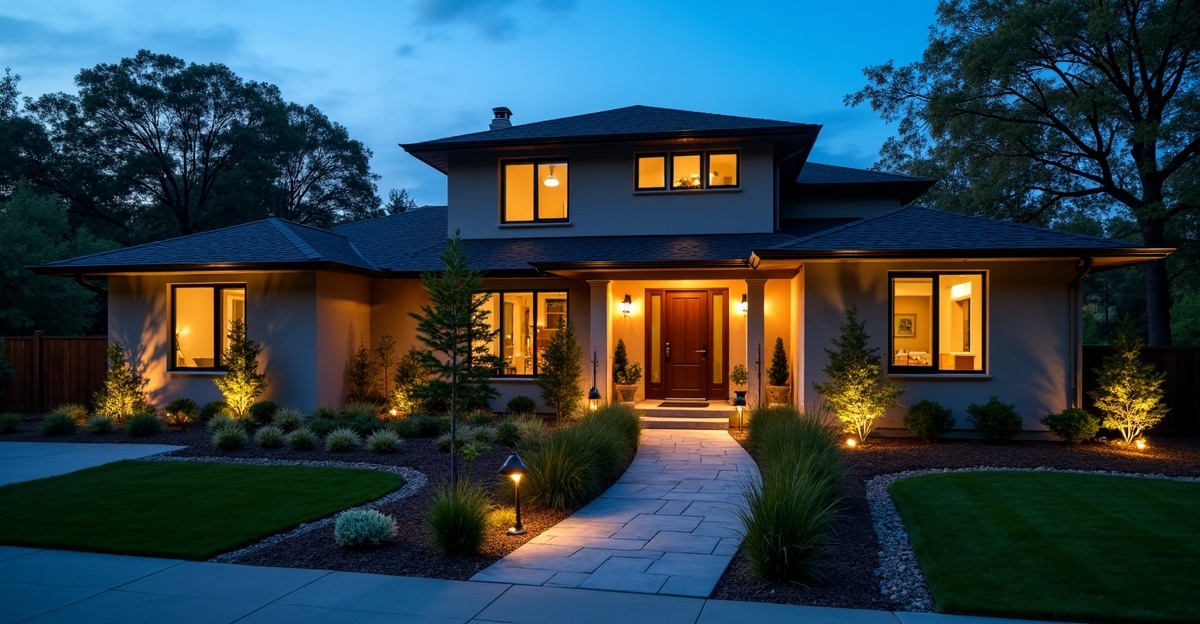
Outdoor lighting color ideas for every season blend intentional color temperature, layered design, and smart controls to elevate architecture, landscaping, and curb appeal all year. We adjust warm and cool whites, introduce subtle RGB accents, and zone façade, landscape, and pathway lighting so each season feels cohesive, practical, and refined without swapping fixtures.
Key Takeaways
- We establish a consistent base color temperature, such as 2200K–2700K for warmth or 3000K for a cleaner look, to anchor seasonal accents.
- We use layered lighting that separates ambient, task, and accent zones to maintain balance and flexibility throughout the year.
- We apply seasonal colors with intention—soft pastels in spring, blues in summer, ambers in fall, and crisp whites with subtle accents in winter—so they complement natural surroundings.
- We control lumen output, beam angles, and shielding to prevent glare and keep architectural details as the focal point.
- We implement smart, programmable LED systems to automate scenes, fine-tune brightness, and transition between seasonal lighting colors with ease.
The Design Principles Behind Successful Seasonal Outdoor Lighting
Outdoor lighting color ideas help shape curb appeal, control ambiance, and support smart home functionality all year. We use color intentionally to highlight architecture, guide movement, and create distinct seasonal moods without replacing fixtures every few months.
Color temperature sets the foundation. Warm white in the 2200K–2700K range delivers a welcoming, residential feel. It complements brick, wood, and traditional siding. A 3000K white reads cleaner and slightly cooler, which works well with contemporary architecture, metal details, and minimalist façades.
Color psychology also plays a role in residential settings. Warm tones suggest comfort and intimacy. Cool tones communicate freshness and clarity. Saturated colors bring energy and celebration, but we use them sparingly to avoid overwhelming the home’s design.
Subtle architectural lighting differs from novelty holiday lighting. Permanent systems should feel cohesive with roofing, stone, landscaping, and trim. We aim for integration, not distraction. That’s why layered design matters. We combine:
- Ambient lighting for wall washing and general glow
- Task lighting for pathways, driveways, and entries
- Accent lighting for trees, columns, and textured surfaces
Technical decisions come first. Lumen output must match the scale of the home. Oversized fixtures create glare, while undersized ones disappear. Beam angles also matter. Narrow beams spotlight columns and trunks. Wider beams graze siding and stone. Proper shielding prevents light spill into neighbors’ windows and keeps focus on the property.
Modern RGB outdoor lighting ideas expand those possibilities. We explain the technology further in what makes RGB smart lighting different. With thoughtful programming, RGB works for refined architectural scenes, not just holidays.
Zoning supports flexibility. We separate façade lighting, landscape lighting, and pathway lighting into independent controls. That allows seasonal lighting colors to shift automatically without manual bulb changes. For guidance on automation, we recommend reviewing how to schedule outdoor lighting by season.
LED efficiency and weather-rated fixtures ensure long-term performance. We prioritize durable housings, moisture protection, and stable output in heat and cold. Smart planning delivers beauty and reliability together.
Spring: Fresh, Layered Greens and Soft Pastels
Spring calls for light, layered seasonal lighting colors that complement blooming landscapes. Soft green, blush, lavender, and subtle cool accents work well against fresh foliage.
We anchor these accents with 2200K–2700K warm white architectural lighting. That base keeps the look sophisticated. Gentle green uplighting on budding trees can enhance natural leaves rather than overpower them. Low-intensity RGB outdoor lighting ideas placed in shrub beds add depth without visual clutter. Path lighting remains warm white to maintain safety and balance.
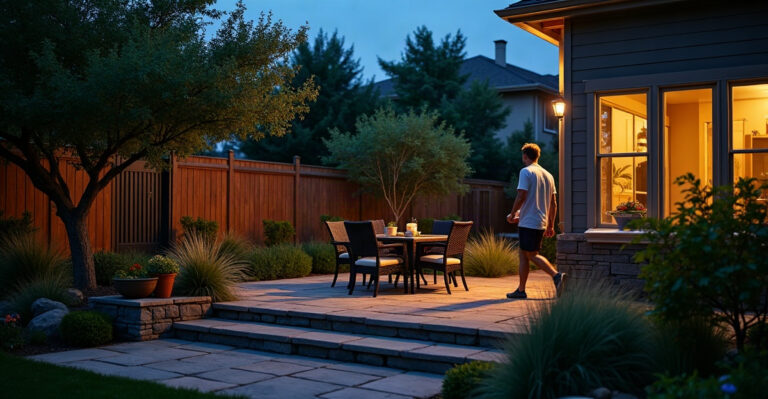
Spring often means gatherings on patios and near garden beds. Moderate lumen levels prevent delicate flowers from looking washed out. We keep color as an accent layer against neutral architectural lighting instead of fully saturating the façade.
Neighborhood aesthetics and HOA guidelines also matter this time of year. Soft tones blend well and maintain curb appeal.
For a flexible system that transitions smoothly between subtle daily lighting and seasonal accents, permanent residential outdoor lighting offers a clean, integrated solution.
Summer: Vibrant Blues, Aqua Accents, and Entertaining-Ready Scenes
Summer shifts outdoor living into primary focus. Outdoor lighting color ideas for this season often include aqua, teal, and soft blue paired with neutral white.
A 3000K base white combined with controlled blue accents can visually balance hot evenings. We highlight pools, water features, pergolas, and outdoor kitchens using programmable RGB outdoor lighting ideas. Zoning becomes essential here. Entertainment areas stay dynamic, while architectural façade lighting remains composed.
Entertaining benefits from saved scenes. We often program:
- Family barbecue mode: warm white with subtle amber
- Pool party mode: controlled blue and aqua accents
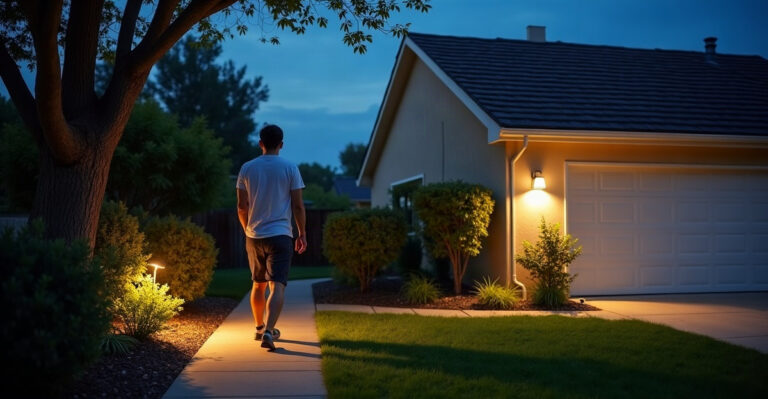
Pathways and steps must remain glare-free and clearly illuminated. We avoid highly saturated colors near changes in elevation. Safety and aesthetics always work together.
Automation supports energy efficiency. Scheduled dimming after gatherings reduces unnecessary runtime, especially during long summer evenings. LED systems perform efficiently even with extended daily use.
For homes built around outdoor entertaining, planning layered outdoor mood lighting ensures every summer event feels intentional rather than improvised.
Fall: Rich Ambers, Warm Whites, and Textured Highlights
Autumn lighting draws inspiration from foliage and harvest tones. Amber, soft red, copper, and golden hues define strong seasonal lighting colors for this time of year.
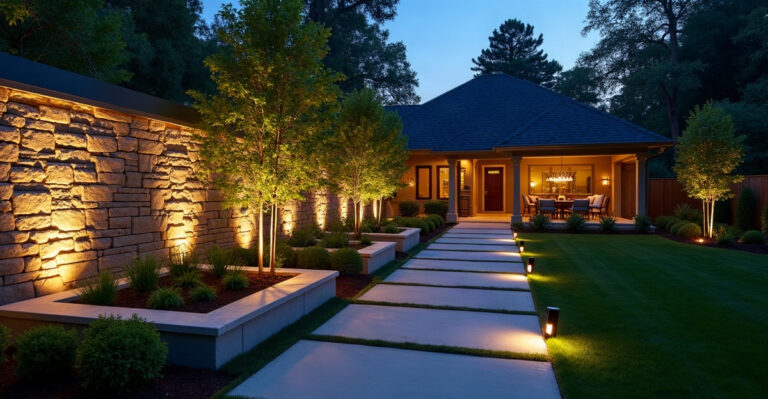
We anchor fall palettes with 2200K warm white. This temperature enhances brick, stone, and wood finishes. Wall grazing techniques bring out texture in siding and masonry. A wide beam placed close to a wall highlights relief and pattern.
Layered amber uplighting on large trees echoes changing leaves. We keep saturation moderate so lighting complements pumpkins and décor rather than competing with them.
Fine adjustments make the difference. Narrow beams isolate tree trunks. Slightly wider beams illuminate canopies separately. That separation creates depth without harshness. Controlled lumen output preserves warmth and prevents glare.
Fall evenings often center around outdoor dining and firepits. Balanced color and texture distinguish tasteful seasonal ambiance from highly saturated holiday lighting. If versatility matters later in the year, exploring why permanent lighting is perfect for holidays helps homeowners understand how systems adapt beyond autumn.
Winter: Crisp Whites, Subtle Color Pops, and Architectural Drama
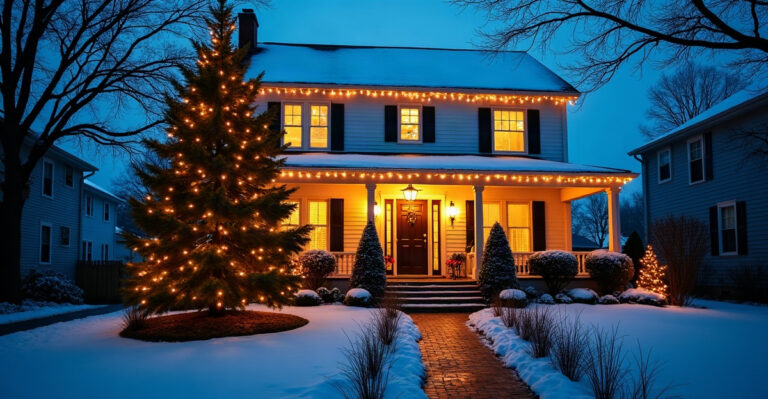
Winter landscapes benefit from structured architectural emphasis. We combine crisp neutral white in the 2700K–3000K range with restrained accents like icy blue or deep evergreen.
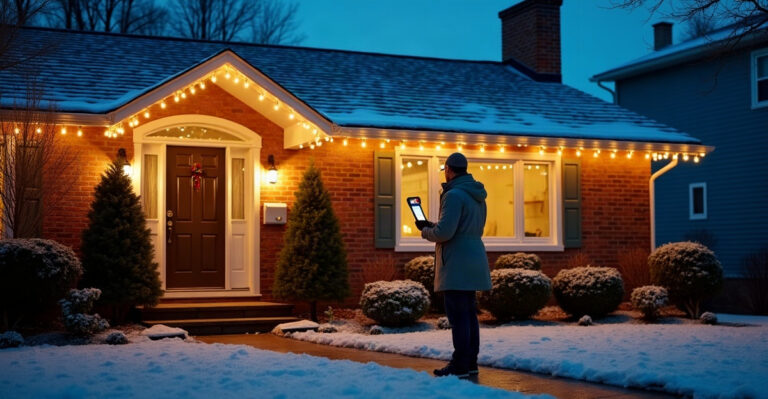
Longer nights and bare trees create contrast. Outdoor lighting color ideas during winter often focus on rooflines, columns, and entryways. Clean lines of under-eave lighting define the home’s silhouette against dark skies or snow.
RGB outdoor lighting ideas allow seamless transitions from classic white to festive hues without changing fixtures. Many homeowners ask can you change colors on permanent lights, and the answer lies in programmable systems that shift scenes instantly.
Reflective snow requires thoughtful glare control. We avoid high-lumen floodlighting. Instead, we use layered, shielded fixtures and moderate output. Weather-rated components must withstand cold temperatures and moisture exposure throughout winter.
Year-Round Neutral Palettes and Smart System Flexibility
A strong baseline keeps everything cohesive. We recommend a year-round foundation of warm white façade lighting with subtle, adjustable accent zones.
Smart systems support evolving outdoor lighting color ideas without fixture replacement. App-based control allows precise color tuning. Saved presets store seasonal lighting colors. Scheduled automation adjusts brightness from dusk to late evening automatically. For deeper guidance, reviewing the best lighting presets for year-round use helps streamline scene planning.
Long-term value comes from energy-efficient LEDs, durable materials, and reduced maintenance. Thoughtful restraint matters most. Balanced saturation, consistent temperature across architectural elements, and attention to curb appeal protect the investment.
When planning, we follow a clear checklist:
- Define zones for façade, landscape, and pathways
- Select a base white temperature
- Add restrained RGB accents
- Test brightness and glare at night
- Program seasonal lighting colors in advance
Permanent systems allow outdoor lighting color ideas to evolve gracefully. By combining smart controls, efficient hardware, and disciplined design, we create adaptable lighting that supports every season with clarity and confidence.