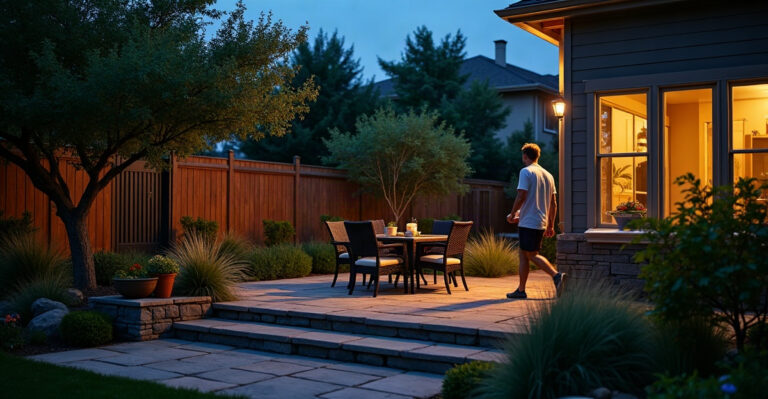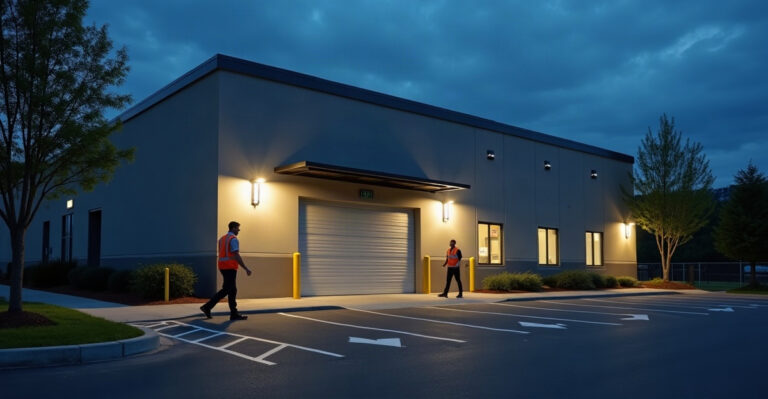
Best Outdoor Motion Sensor Lights for Better Home Security
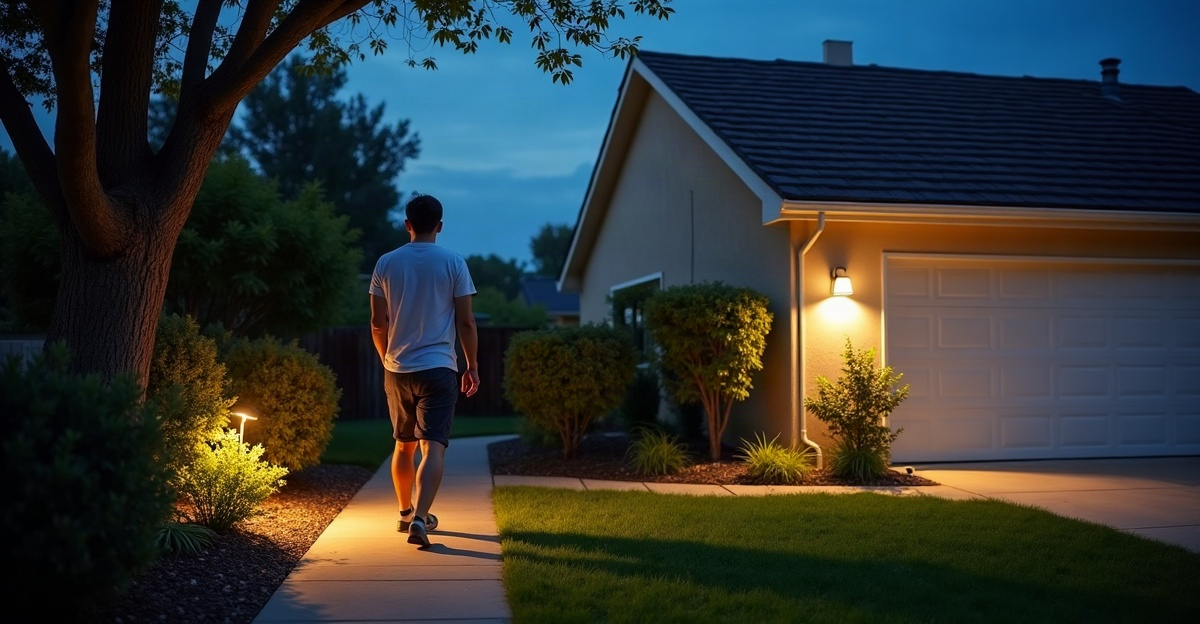
We recommend outdoor motion sensor lights that improve visibility at entrances, driveways, side paths, and gardens. Match brightness, beam spread, power source, and sensor coverage to each location. Hardwired floodlights cover broad areas well. Shielded, focused, solar, battery, and smart fixtures meet specific coverage, installation, and control needs.
Key Takeaways
- Match light output to the area: use 300–800 lumens for porches, 500–1,000 for side paths, and 1,500–3,000+ for driveways or wide rear access areas.
- Aim PIR sensors across common walking paths. Adjust sensitivity, detection zones, and fixture angles after dark to reduce blind spots and false activations.
- Choose hardwired lights for reliable, high-output coverage. Use solar, battery, or plug-in models where wiring doesn’t fit the site or installation plan.
- Use several well-aimed, medium-output fixtures for large gardens and driveways. This approach reduces glare, light spill, and harsh shadows.
- Treat motion lighting as one part of home security. We recommend pairing it with secure locks, cameras, alarms, protected access points, and regular property upkeep.
Quick Picks: Which Outdoor Motion Sensor Light Fits Your Property?
Last reviewed: September 14, 2026. Product models, availability, software integrations, pricing, warranties, and specifications must be verified against manufacturer documentation and reputable retailers before publication or purchase.
The best outdoor motion sensor lights match the area, power access, and level of control required. We do not recommend a single universal winner because a driveway, front door, narrow path, and rental property have very different lighting needs.
| Product/type | Ideal use case | Power source | Approx. lumen range | Detection range/angle | Weather rating | Smart compatibility | Installation | Key drawback | Price band |
|---|---|---|---|---|---|---|---|---|---|
| Hardwired floodlight | Driveway, garage, broad rear access | Hardwired | 1,500–3,000+ | Varies by model; verify quoted range and angle | Varies by model | Usually none | Professional recommended for new circuits | Requires wiring | Moderate |
| Smart floodlight | Large areas needing schedules or automations | Hardwired or plug-in | 1,500–3,000+ | Varies by model; verify quoted range and angle | Varies by model | Varies: Wi-Fi, hub, or other platform | Moderate to advanced | May depend on apps, hubs, or connectivity | Moderate to premium |
| Shielded wall light | Front entrance | Hardwired | 300–800 | Varies by model | Varies by model | Optional by model | Moderate | Limited broad-area coverage | Budget to moderate |
| Focused PIR fixture | Narrow side path | Hardwired, plug-in, or battery | 500–1,000 | Varies by model | Varies by model | Optional by model | Low to moderate | Needs careful aiming | Budget to moderate |
| Solar motion light | Sunny, cable-free location | Solar and battery | Varies by model | Varies by model | Varies by model | Optional by model | Low | Depends on daylight and panel placement | Budget to moderate |
| Battery or plug-in light | Rentals or homes without wiring | Battery or plug-in | Varies by model | Varies by model | Varies by model | Optional by model | Low | Battery changes or cable management | Budget to moderate |
For a driveway, garage, or broad rear access, choose a hardwired floodlight or smart floodlight with a wide beam. For a front entrance, use a lower-output shielded wall light with dependable PIR detection. A focused fixture suits a narrow side path, while a medium-output wide-beam fixture suits a patio or small garden zone. Solar works well where daylight is reliable, and battery or plug-in units suit rentals. Existing smart-home systems need a light confirmed to work with the installed ecosystem and connectivity method.
Motion lighting can improve visibility and may deter opportunistic activity. It cannot guarantee crime prevention or replace cameras, locks, alarms, gates, secure access points, maintained landscaping, and routine property maintenance. Our guide to smart outdoor security lighting explains how lighting fits into a wider plan.
Best Outdoor Motion Sensor Lights by Use Case
We assess categories rather than claiming hands-on testing of unnamed products. These recommendations rely on manufacturer data, installation manuals, retailer listings, specialist guidance, and verified customer feedback where available. Before selecting a specific unit, confirm its current output, detection specifications, IP rating, warranty, availability, and app requirements.
Best for a driveway or garage: A hardwired floodlight is usually the strongest fit where consistent output matters. It can provide 1,500–3,000+ lumens across a broad beam and supports permanent wiring. Its strengths are sustained brightness and dependable power. Its limitations are installation cost and possible glare if aimed poorly. Avoid it where wiring changes are impractical or where one high-output beam would disturb neighbours. For a professionally planned option, explore outdoor security lighting.
Best smart outdoor motion light: A smart floodlight suits properties that benefit from schedules, dimming, scenes, app alerts, or coordinated lighting. It adds meaningful value only when its Wi-Fi, Bluetooth, Zigbee, Thread, Matter, or proprietary hub works with the existing system. Confirm Alexa, Google Home, Apple Home, or other ecosystem support before purchase. Avoid smart units where local motion activation, app access, or automations fail without a required hub, cloud service, Wi-Fi connection, or power.
Best solar option: A solar motion sensor light fits sunny, cable-free locations. It avoids trenching or exterior wiring and can serve sheds, gates, garden edges, and remote paths. Panel orientation, shade, daylight hours, seasonal conditions, battery health, and local climate control its reliability. Avoid solar for heavily shaded sites or areas requiring long, high-output illumination every night.
Best battery-powered or renter-friendly option: Battery-powered and plug-in fixtures offer flexible placement with minimal alteration to the building. Plug-in lights still need a weather-protected outlet and safe cable routing. Battery models need accessible mounting for replacement and may deliver lower sustained output. Avoid either option for large, critical coverage areas where a hardwired circuit is available.
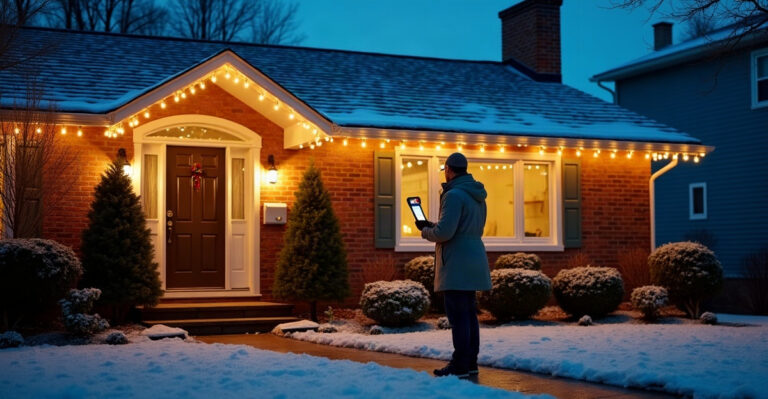
Best for a front entrance: A shielded 300–800 lumen wall light gives useful arrival lighting without washing out the entry. Reliable PIR detection and downward aiming matter more than maximum output. Avoid wide, intense floodlights at a door, especially near cameras or neighbouring windows.
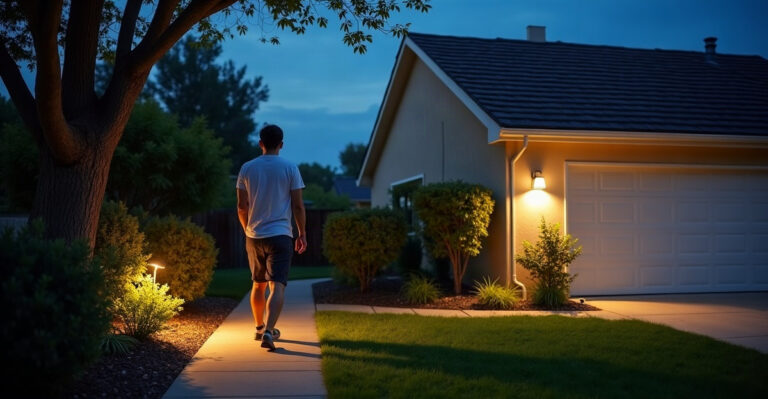
Best for a narrow side path: A 500–1,000 lumen focused fixture with an adjustable detection zone can cover a passage without triggering from traffic. Its main strength is control. Its limitation is that poor sensor angle can leave dead areas. Avoid a broad, unshielded floodlight that spills over fences or roads.
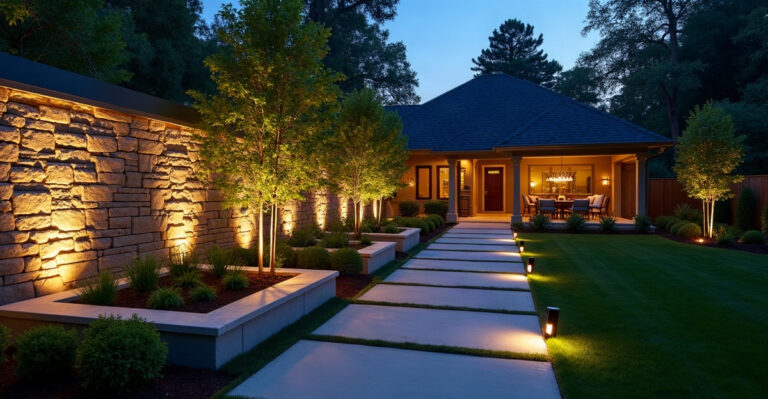
Best for large gardens or broad coverage: Use several well-aimed medium-output fixtures instead of one excessively bright unit. Overlapping zones reduce blind spots and harsh shadows. Hardwired systems are usually the most consistent choice. Avoid relying on a single light at one corner of a complex garden. Our permanent lighting security guide covers this layered approach.
How We Assessed Security Performance and Value
We prioritise motion-detection reliability, quoted and realistic range, brightness, beam spread, weather resistance, build quality, power source, installation complexity, smart features, app or hub needs, warranty, and overall value. A higher lumen rating or longer advertised detection distance does not automatically create better security coverage.
PIR, or passive infrared, sensors detect changes in infrared heat. Movement across the sensor’s field of view often triggers more reliably than movement directly at it. Quoted range is not guaranteed real-world coverage. Installation height, approach angle, outdoor temperature, trees, walls, vehicles, pets, traffic, reflective surfaces, and sensitivity settings can all change results.
Prioritise dependable detection, reduced blind spots, suitable beam spread, weather suitability, and correct installation. Specific product decisions should be supported by manufacturer manuals, data sheets, electrical safety guidance, smart-home platform documentation, and applicable local electrical regulations. Lighting works particularly well with cameras and alarms when planned as part of an integrated system; see how lighting works with security systems.
Choosing Brightness, Detection Coverage, Weather Protection and Smart Features
Use roughly 300–800 lumens for a porch, 500–1,000 lumens for a side path, 700–1,500 lumens for a patio or small garden, and 1,500–3,000+ lumens for a driveway, garage, or broad rear access. Beam angle, mounting height, surface reflectivity, ambient light, and local conditions matter as much as output.
Higher output can cause glare, light spill, harsh shadows, reduced night vision, neighbour disruption, and poorer security-camera images. A narrow beam suits a side passage. A wider beam suits a driveway or patio. Use shields, downward aiming, zoning, dimming, and multiple lower-output fixtures to remove blind spots without over-lighting the property.
Hardwired lights usually offer the most consistent operation, though new or altered exterior circuits may need a qualified electrician. Plug-in lights simplify installation where a protected outlet exists. Battery fixtures suit flexible locations but need monitoring. Solar fixtures need clear daylight and correct panel positioning.
An IP rating indicates resistance to solids and water under defined test conditions. It does not confirm long-term suitability for coastal salt, freezing temperatures, intense heat, or exposed sites. Check corrosion resistance, UV resistance, operating-temperature limits, direct weather exposure, and manufacturer guidance. For permanent architectural coverage, consider under-eave lighting that directs light down onto the property.
Placement and Installation for Reliable Coverage
Follow the fixture manual first. Many PIR floodlights are commonly mounted around 1.8–3 metres, or 6–10 feet, depending on fixture design and the intended detection area. Aim sensors across likely walking paths rather than directly at them for stronger activation.
Cover entrances, gates, garage doors, driveways, side access routes, and dark transition areas. Angle fixtures downward and onto the property. Avoid roads, public paths, neighbouring homes, and direct glare into cameras. Large gardens and driveways benefit from overlapping coverage rather than one intense beam. Test after dark, then adjust the angle, sensitivity, duration, detection zone, and beam direction.
Hardwired work may require a qualified electrician, especially for exterior circuit changes. Plug-in installations require protected outlets and safe cable routing. Solar panels need unobstructed daylight. Battery units need accessible mounting. We can help plan residential outdoor lighting that supports safe movement and practical security coverage.
Reducing False Triggers, Maintaining Performance and Respecting Neighbours
How to reduce false triggers
Use this checklist before increasing brightness or replacing a fixture:
- Keep sensors away from heat vents and air-conditioning exhausts.
- Reduce exposure to reflective surfaces, moving branches, traffic, public paths, and regular pet routes.
- Adjust sensitivity and detection zones, and use sensor masks or app-defined zones where supported.
- Clean the sensor lens and trim vegetation around sensors and solar panels.
- Inspect seals, fittings, cables, mounts, batteries, corrosion, water ingress, and UV damage.
- Test zones seasonally and review settings after power interruptions, Wi-Fi changes, or app updates.
Direct detection and illumination onto the property. Minimise spill with timers, schedules, dimming, and low standby brightness where available. Consider local regulations, strata or HOA rules, and community expectations. Do not position sensors to unnecessarily monitor neighbouring property or public areas. Reliable lighting remains one layer alongside locks, cameras, alarms, gates, landscaping, and secure access points. Our article on whether burglars avoid lit homes gives useful context without overpromising what lighting can do.
Outdoor Motion Sensor Light FAQs
How many lumens do we need? Use roughly 300–800 lumens for a porch, 500–1,000 for a side path, 700–1,500 for a patio or small garden, and 1,500–3,000+ for broad driveway or rear coverage. Beam angle, mounting height, reflectivity, and ambient light remain important.
What is the best mounting height? Many PIR floodlights sit around 1.8–3 metres, or 6–10 feet. The manufacturer’s instructions take priority.
Are solar lights reliable for security? They can work well in sunny, cable-free locations. Shade, seasons, battery condition, panel orientation, and climate can reduce performance.
Is wired or battery better? Hardwired lights are typically more consistent. Battery units suit rentals and no-wiring locations but require battery monitoring and may have lower sustained output.
Do smart lights work without Wi-Fi? It depends on the model. Verify whether motion activation works locally and whether controls, alerts, schedules, and automations require Wi-Fi, cloud services, a hub, or an app.
What IP rating is needed? Check the rating against the site’s exposure, then review climate suitability. IP ratings alone do not confirm performance in coastal, freezing, hot, or highly exposed conditions.
Why does a sensor light keep activating? Common causes include traffic, pets, vegetation, heat sources, reflective surfaces, dirty lenses, high sensitivity, and poorly aimed zones.
Can motion lights deter intruders? Motion lighting can improve visibility and may discourage opportunistic activity, but it cannot guarantee crime prevention. Use it with wider security measures and consider whether permanent lights can replace floodlights for the property layout.