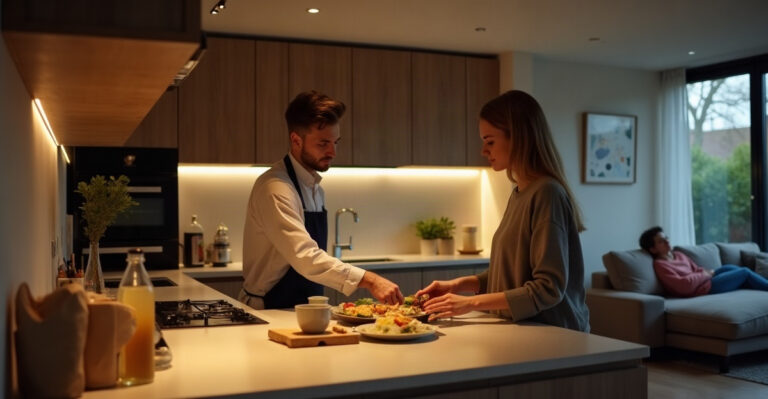
What Is Smart Lighting? Control Lights With Ease
Smart lighting uses controls, sensors, schedules, and connected devices to manage indoor or outdoor lighting beyond a standard wall switch. It ranges from simple smart bulbs to integrated property-wide systems. These systems can create scenes, adjust dimming, support physical controls, and automate lighting for daily routines.
Key Takeaways
- We can control smart lighting through wall switches, dimmers, keypads, apps, voice assistants, sensors, and schedules.
- Smart bulbs and plugs support simple upgrades, while smart switches, dimmers, and hardwired systems deliver stronger control across the property.
- We should keep reliable physical controls alongside app and voice features.
- Sensors, daylight settings, schedules, and dimming can reduce unnecessary energy use when we configure them for the property and its occupants.
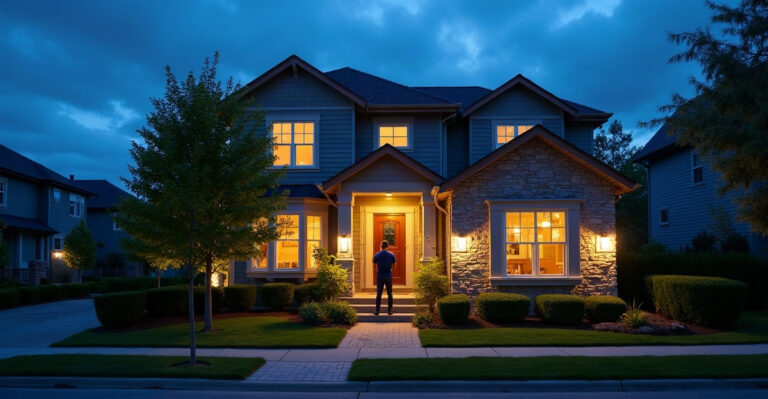
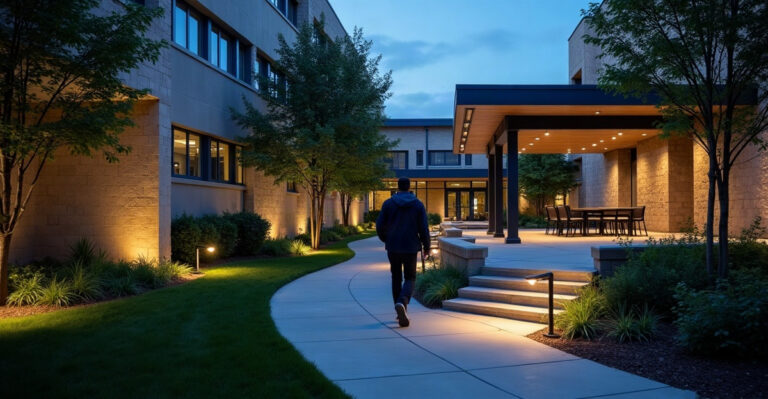
- Outdoor smart lighting can improve pathway safety, security, ambience, and control across gardens, driveways, and entrances.
Smart Lighting: A Simple Definition and What It Lets Us Do
Smart lighting is lighting that can be controlled or automated beyond a standard on/off wall switch, using options such as dimmers, keypads, sensors, schedules, apps, voice assistants, and smart-home systems. It gives us practical control over how, when, and where light is used.
So, what is smart lighting? It is far broader than app-controlled, colour-changing bulbs. A smart lighting system can be a single bulb or plug-in lamp, a dimmer controlling an existing circuit, or a hardwired whole-home system with scenes, sensors, and keypads.
Well-planned lighting can set an evening scene, dim a room without changing fittings, light a pathway for a safe arrival after dark, and reduce lights left on in unused spaces. It can also make lighting easier to operate for people with accessibility needs.
Apps and voice control are useful convenience layers, but they should not replace familiar controls. We recommend wall switches, dimmers, and keypads that remain simple for guests, children, and anyone who prefers physical controls.
Smart lighting may also reduce wasted energy through occupancy sensing, schedules, dimming, daylight response, and easier switch-off routines. Results depend on existing fittings, LED efficiency, occupant habits, available daylight, and the automation design. For a closer look at practical value, explore the benefits of smart lighting.
How a Smart Lighting System Works
A smart lighting system combines light fittings, control devices, connectivity, and programmed actions. The light source may be a smart bulb, smart lamp, compatible fixture, LED driver, or a conventional fitting connected to a smart dimmer.
Controls can include wall switches, dimmers, keypads, remotes, apps, voice assistants, and sensors. Connectivity may use direct Wi-Fi or Bluetooth, while larger systems can use a hub or bridge with wired or wireless communication. Automations then instruct the system what to do at specific times or in response to activity.
For example, a Cooking scene can provide brighter, cooler light over worktops. A Film scene can lower surrounding light. Evening can create warm, low-level illumination, while Night Route can light a hall, bathroom, or stairs at a gentle level. Schedules can follow set times or sunrise and sunset, while motion and occupancy sensors suit entrances, hallways, utility rooms, bathrooms, pathways, and security areas.
Daylight-responsive control can reduce artificial light where natural daylight is already sufficient. Multi-room control can then apply scenes across an entire property without walking from room to room. We explain the everyday experience in our guide to app-controlled home lights.
A useful visual asset for this page would show lights connected to wall controls and sensors, with a hub or bridge linking to an app and wider smart-home system.
Smart-Lighting Terminology
Wi-Fi is often straightforward for individual products, although network coverage becomes important as a property grows. Bluetooth Mesh, Zigbee, and Z-Wave are wireless options that may use a hub and can support wider systems with better range and expansion potential. Matter is a compatibility standard intended to help supported smart-home products work together. DALI is a professional, wired lighting-control approach often used where detailed control is required.
Protocol specifications matter less than practical performance. We should focus on reliability, compatibility, range, local control during an internet outage, and the ability to expand later.
Choosing Between Smart Bulbs, Smart Switches and Integrated Systems
The right route depends on the property, budget, installation scope, and how much control is needed.
| Option | Ideal Use Case | Installation Level | Reliability and Controls | Budget Level | Key Limitations |
|---|---|---|---|---|---|
| Smart bulbs and plugs | Renters, lamps, single rooms, and feature testing | Usually DIY-friendly | App, voice, and some remote control; wall power must remain on | Lower | Can become difficult to manage across many rooms |
| Smart switches and dimmers | Existing circuits where familiar wall control matters | May need an electrician | Strong physical control with scenes, schedules, and dimming | Mid-range | Requires checks for wiring, fittings, LED lamps, and dimming compatibility |
| Integrated hardwired systems | Larger homes, renovations, new builds, and light-commercial projects | Professional design, installation, and programming | Consistent keypads, sensors, multi-room scenes, and expansion | Higher | Needs early planning and specialist support |
Smart bulbs and plugs offer a quick entry point. They work well for table lamps, temporary upgrades, and rooms where rewiring is not planned. Their main weakness is simple: if power is switched off at the wall, the smart function may stop working.
Smart switches and dimmers make more sense where existing fittings should stay in place. They can add dimming, schedules, and scenes without replacing every lamp. In the UK, electrical installation may require a qualified electrician, especially where wiring changes are needed.
Integrated systems suit properties that need multi-room control, sensors, keypads, and links with blinds, heating, security, audio, or voice assistants. They offer the best long-term experience when physical controls and everyday routines are planned together. Voice support can be part of that setup; see whether permanent lights work with Alexa.
Before choosing any option, confirm whether a hub is required, what still works without internet access, and whether local control remains available. Remote access and some cloud features often need an internet connection, but many systems can still operate locally depending on the product and configuration. Wi-Fi-only products may also be less suitable for larger properties with weak coverage, while cloud-dependent products can create long-term account and support concerns.
Smart Outdoor Lighting for Safer, More Flexible Exterior Spaces
What is smart outdoor lighting? It is connected or automated lighting for gardens, pathways, driveways, façades, entrances, patios, decking, and security areas.
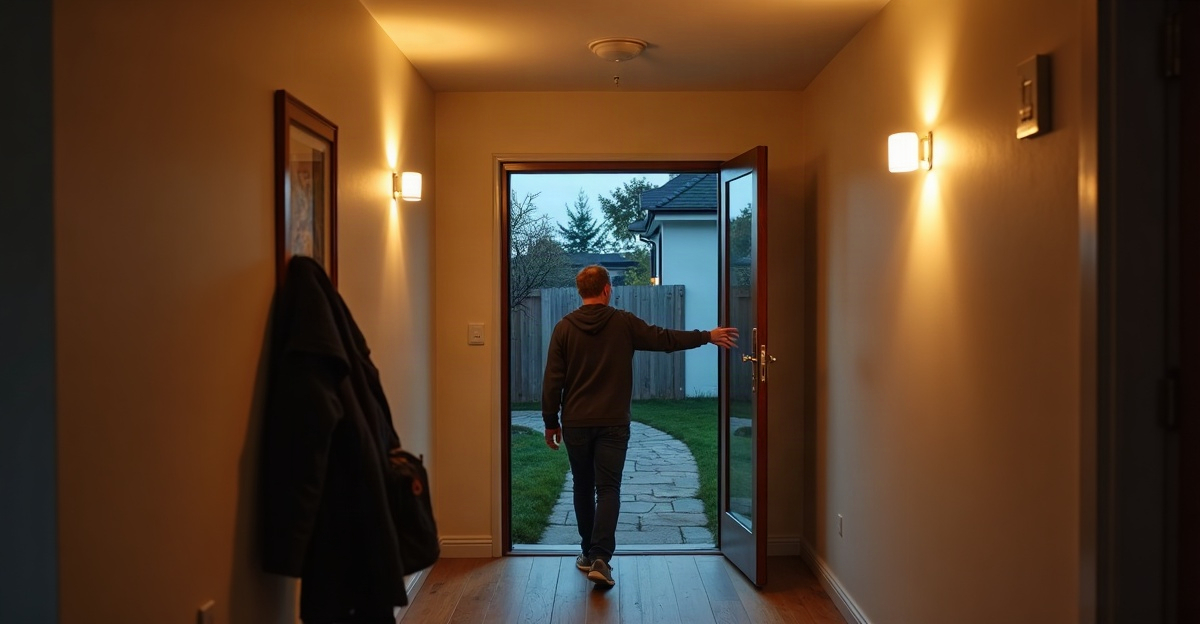
Outdoor automation can provide safe arrival lighting after dark, illuminate paths and steps, set timed garden ambience, trigger security lighting with motion, and create separate zones for dining and entertaining. It can also work with gates, alarms, cameras, and home-or-away routines where appropriate. Our outdoor lighting automation ideas show how these routines can work in practice.
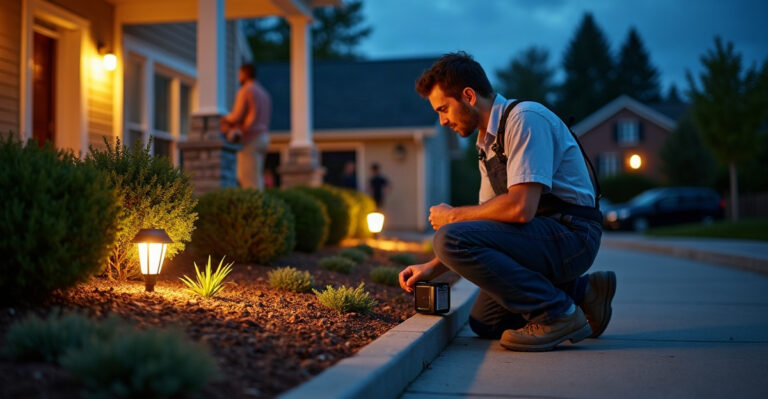
There is no single answer to “what is the best smart outdoor lighting system?” The best option depends on whether safety, ambience, security, or all three matter most. It should also suit the weather exposure, required IP rating, number of zones, distance from the property, existing cable runs, transformers, and available power supply.
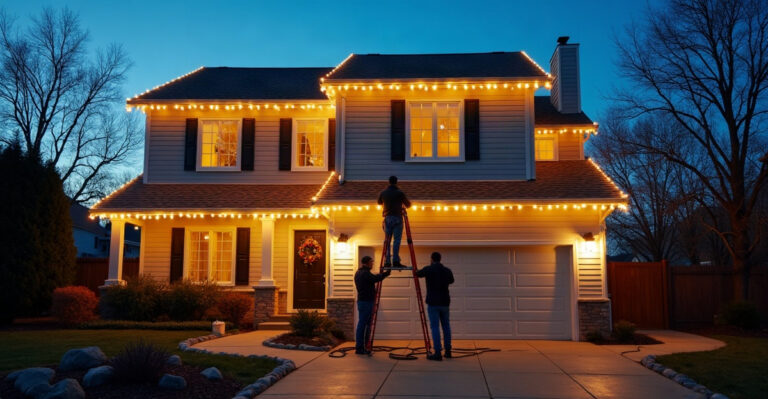
Good exterior lighting avoids glare, light spill, and disruption to neighbours. Fittings need sensible positioning, while cable routes, drainage, landscaping, sensors, timers, and local electrical requirements need planning before installation. For permanent architectural effects, consider permanent roofline lighting or outdoor accent lighting. Security-focused areas may benefit from outdoor security lighting.
An annotated garden and driveway illustration would make a strong visual asset here. It can identify zones, fixtures, cable routes, sensors, transformers, and control points before work begins. We also cover permanent outdoor light control and remote permanent lighting in more detail.
When to Add Smart Lighting: Retrofit, Renovation or New Build
The best approach depends on the property, project stage, budget, and intended level of control. Retrofit upgrades can work well for renters and homeowners who want individual rooms to become smarter without major electrical work. Smart bulbs, plugs, and selected wireless controls are often practical options, provided existing switches, fittings, LED lamps, and circuits are checked first.
Renovation creates a valuable opportunity to add wired controls, extra circuits, sensors, and stronger lighting layouts. Before walls and ceilings are finished, we should decide where dimmers, keypads, scene controls, and occupancy sensors will make daily life easier. Lighting should be planned alongside electrical work, interior design, blinds, heating, security, and networking.
New builds allow the most complete planning of circuits, control points, scenes, and future expansion. This enables controls to support everyday routines from the start instead of being added later.
Outdoor systems also need early consideration. Cable routes, power supplies, transformers, drainage, and landscaping plans can affect the finished result. Common retrofit issues include limited wiring options, incompatible dimmable LEDs, poor Wi-Fi coverage, and poorly placed controls. For a permanent exterior project, professional permanent light installation helps ensure the system is planned for lasting performance.
Questions to Ask Before Choosing a Smart-Lighting System
Use this checklist to define the right scope before buying products or starting electrical work:
- Which rooms or outdoor areas should be controlled?
- Do we need simple app control or whole-home scenes and automation?
- Is reliable physical wall control essential?
- Are we retrofitting, renovating, or building from new?
- Which existing switches, fittings, LED lamps, and circuits need to remain?
- Will the system integrate with blinds, heating, security, audio, or voice assistants?
- Who will install, configure, maintain, and support it?
- What is the plan if internet access, an app, or a cloud service becomes unavailable?
Account security and long-term support also deserve attention. We should use strong, unique passwords, enable multi-factor authentication where available, and keep hubs, apps, and firmware updated. It is also important to confirm whether key features rely on cloud access and whether local control remains possible.
For renovations, new builds, or integrated indoor and outdoor systems, we can discuss layouts, routines, and control preferences with a smart-lighting specialist through our lighting consultation team.