Roofline Lighting Ideas That Transform Your Home
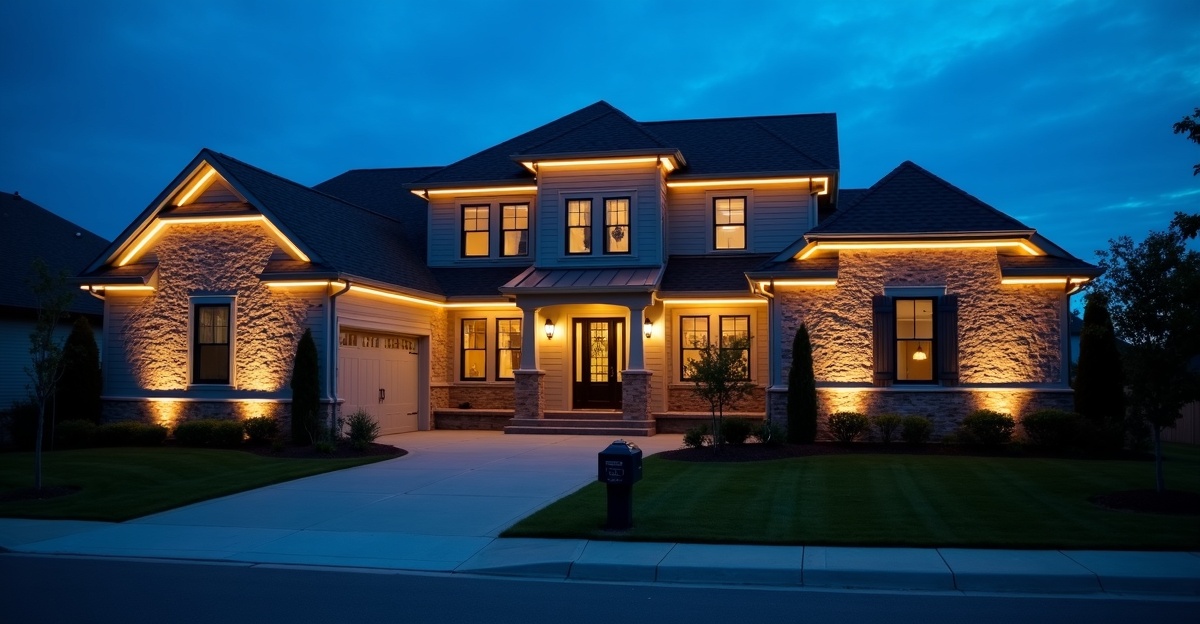
Roofline lighting ideas transform any home by illuminating fascia, eaves, and roof peaks to create structure, depth, and a strong architectural presence after sunset. When we plan these systems with care, we boost curb appeal, improve perimeter visibility, integrate smart controls and zoning, and secure long-term performance through concealed, weather-resistant installation.
Key Takeaways
- Roofline lighting enhances ambiance, safety, architectural definition, and extended outdoor usability in one integrated system.
- Soffit lighting highlights surfaces with a soft downward wash, while trim lighting outlines roof edges for a crisp, modern silhouette.
- Permanent architectural lighting differs from seasonal or decorative systems by using concealed fixtures and built-in integration.
- Smart controls, app-based scheduling, RGB customization, and zoning allow flexible lighting scenes without added complexity.
- Early installation planning, proper IP-rated fixtures, and routine inspections support durability, clean results, and long-term satisfaction.
We approach roofline lighting as a long-term architectural investment. Strong design creates visual balance during the evening hours. Clean integration protects the home’s exterior during the day. Proper fixture placement prevents glare and uneven output.
Soffit lighting produces a controlled downward wash that softens walls and highlights texture. We often recommend this method for traditional homes or properties with detailed masonry. Trim lighting traces the roofline with a precise line of light. That technique suits modern designs and sharp roof profiles.
Permanent architectural lighting stands apart from temporary holiday systems. We conceal fixtures within soffits or fascia boards to maintain a seamless look. Integrated wiring avoids exposed clips and seasonal maintenance. Homeowners enjoy year-round performance without repeated installation.
Smart controls simplify operation. We program schedules that match sunset and sunrise times. App-based systems allow fast color changes and dimming adjustments. Zoning lets us separate entryways, garage bays, and peaks for layered scenes. These features create flexibility without adding complexity.
Early planning ensures accurate spacing and consistent output. We specify IP-rated fixtures that withstand rain, wind, and temperature shifts. Thoughtful wire management protects connections and keeps sightlines clean. Routine inspections preserve brightness and system integrity over time.
Roofline lighting shapes how a home feels after dark. Strong design principles and quality components deliver reliable performance. We guide each project with clarity and confidence so the final result feels intentional and refined.
What Roofline Lighting Can Immediately Do for Your Home’s Exterior
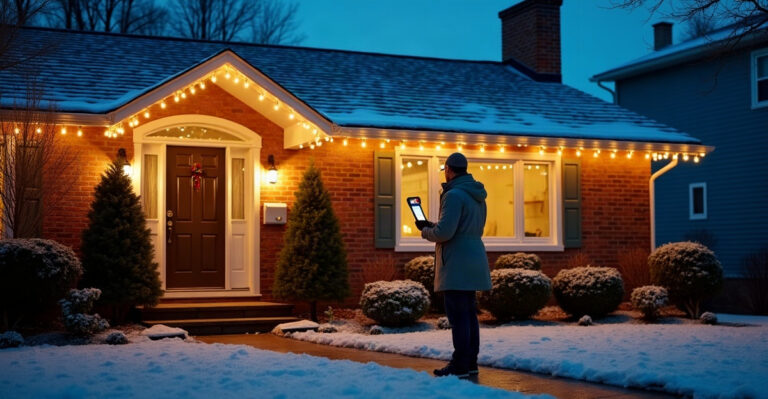
Roofline lighting ideas define how we illuminate the upper edges of a home to shape its appearance after sunset. These systems follow the architectural lines along the fascia, eaves, and roof peaks, creating structure, depth, and visual balance at night.
This upgrade ranks among the most impactful exterior improvements for curb appeal, nighttime visibility, and architectural emphasis. A well-planned system frames the home, increases usable outdoor hours, and creates a finished appearance from the street.
Roofline lighting transforms a home in four immediate ways. It strengthens ambiance by setting tone and mood. It improves safety by increasing visibility along the perimeter. It extends outdoor usability for patios and entryways. It highlights rooflines, peaks, and transitions that often disappear after dark.
Clarity matters. Decorative or seasonal lighting serves temporary occasions. Permanent architectural roofline lighting integrates into the structure. Fixtures are concealed, wiring is hidden, and lighting becomes part of the home’s design. This distinction prevents confusion and supports better long-term planning.
Throughout this guide, we focus on practical roofline lighting ideas that help homeowners, builders, renovators, and designers move from inspiration into confident decisions. That includes addressing installation logistics, weather resistance ratings such as IP classifications, zoning options, and ongoing maintenance. Thoughtful planning leads to clean results that perform well year after year.
Soffit Lighting Ideas: Subtle Illumination That Highlights Architecture
Soffit lighting ideas center on fixtures installed beneath roof overhangs. These lights cast a soft downward wash, gently illuminating siding, stonework, and brick textures.
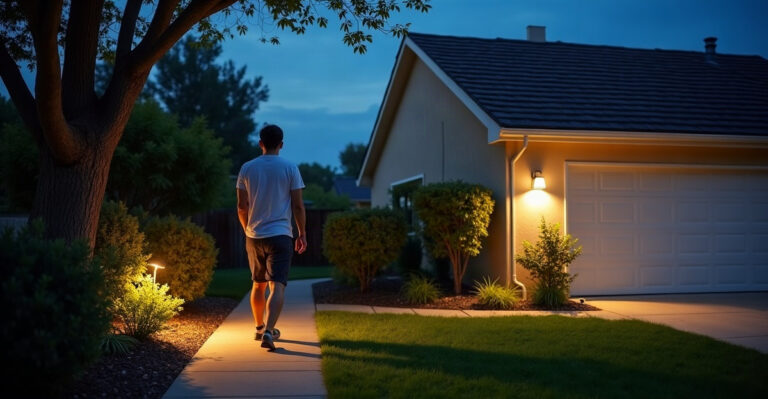
This approach works best when the goal is surface emphasis rather than sharp outlines. The light flows vertically along the façade, revealing texture and reducing shadow pockets around the perimeter. It also increases safety by improving visibility near entrances, walkways, and garage doors without causing glare.
We often recommend soffit solutions when homeowners want layered lighting. The fixtures remain discreet, and the home appears evenly lit rather than outlined. Proper spacing is critical. Lights positioned too far apart create bright and dark patches. Balanced spacing ensures consistent illumination.
Power sourcing depends on timing. During new construction, we can pre-wire within the framing. In retrofit situations, we evaluate attic access and existing circuits. Installing soffit lighting into finished structures sometimes requires professional support to avoid surface-mounted conduit and visible wiring.
Weather exposure also matters. Fixtures require appropriate IP ratings for exterior moisture and dust. Soffit cavities can trap humidity, so ventilation and sealed housings help prevent corrosion and premature failure.
For homeowners considering integrated eave systems, under eave lighting solutions offer a refined, built-in result.
Limitations exist. Retrofits may involve attic access or exterior trim removal. Planning reduces disruption and leads to a clean final outcome. Balanced correctly, soffit lighting ideas deliver subtle sophistication and strong architectural presence.
Trim Lighting Design: Clean Lines and Flexible Control Along the Roof Edge
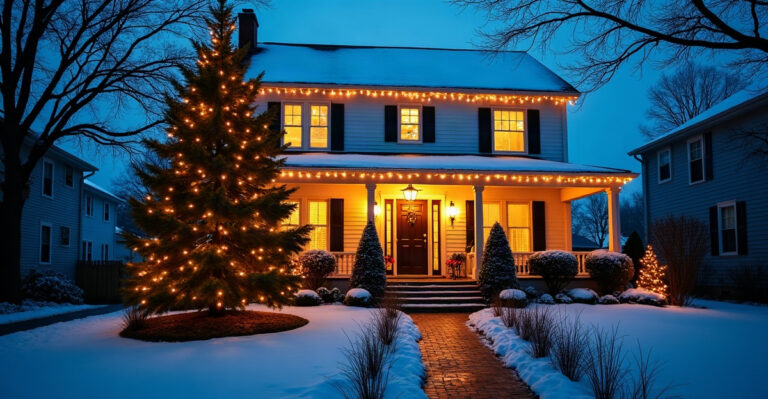
Trim lighting design integrates illumination along fascia boards or roof edges to define the home’s silhouette. Rather than washing surfaces, this technique traces the outline itself.
The visual impact feels crisp and modern. At night, the roofline becomes a defined architectural feature. Trim systems create strong curb appeal from the street and maintain a polished look during daytime because components remain concealed.
Soffit lighting emphasizes surfaces and textures. Trim lighting emphasizes shape and geometry. Each serves a different visual objective, and combining both can create depth.
Installation details determine whether the result looks integrated or added on. Mounting methods must minimize visible hardware. Cable management should remain discreet. Power routing needs to avoid exposed runs along siding. Durability also matters. UV exposure, wind, and rain require materials that resist fading, cracking, and corrosion over time.
There’s also a difference between permanently installed holiday systems and permanent architectural trim lighting. Holiday systems focus on seasonal color displays. Architectural lighting prioritizes consistent, everyday elegance with expandable smart controls. For homeowners comparing approaches, permanent trim lighting for homes explains this distinction clearly.
When installation is handled with discipline, trim lighting design delivers clean lines, flexible control, and long-term visual impact.
Smart Technology, Zoning, and Customization Without Complexity
Modern roofline lighting ideas integrate seamlessly with smart control platforms. That doesn’t mean complexity. Most systems operate through intuitive mobile apps.
Core features typically include:
- App-based control from a smartphone or tablet
- Programmable timers and schedules
- Adjustable color temperatures
- Full RGB color customization
Automation allows predefined scenes. We can run warm white for daily use and shift to seasonal colors or event themes without climbing a ladder.
Zoning adds precision. Different roof sections can operate independently. A front elevation can glow softly while rear patio lighting runs brighter for entertaining. That flexibility supports both aesthetics and energy awareness.
LED technology brings practical advantages. These systems use significantly less energy than traditional incandescent lighting. They generate less heat and require fewer replacements. Lower energy draw and long lifespan reduce maintenance frequency and operating costs over time.
Controls are typically designed for users without technical backgrounds. Setup involves straightforward configuration. Once programmed, schedules run automatically.
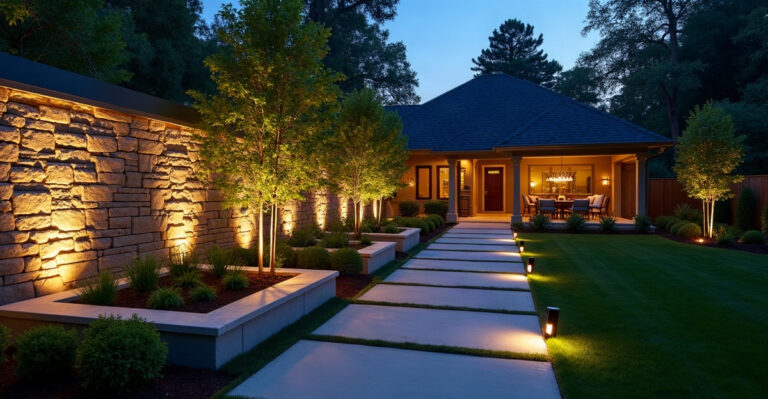
For homeowners interested in broader exterior concepts beyond roof edges, exploring modern outdoor lighting design ideas can help coordinate roofline systems with pathways, accents, and landscape elements.
Smart integration works best when it simplifies use, not when it adds complication. Practical roofline lighting ideas should feel effortless once installed.
Installation Planning: New Builds vs. Renovations and Retrofits
Planning determines long-term satisfaction. New construction simplifies integration. We can conceal wiring behind siding, coordinate trim placement, and allocate power circuits from the outset. That approach reduces visible components and improves finish quality.
Renovations and retrofits require more evaluation. Attic access influences soffit installations. Exterior routing may be necessary when interior pathways are limited. Surface condition matters. Fascia boards must be sound and stable before mounting fixtures.
Several risk factors deserve attention:
- Installation complexity based on roofline height and pitch
- Power supply location and load capacity
- Local electrical codes that may dictate mounting methods or circuits
- Structural condition of fascia and eaves
Professional consultation becomes essential when structural modifications or electrical upgrades are involved. We always recommend early planning. Decisions made before painting, trim replacement, or gutter work prevent exposed conduit and awkward fixture placement.
Weather resistance remains central. Outdoor-rated fixtures with appropriate IP classifications protect against moisture and dust intrusion. Long-term maintenance expectations should factor into planning. Access for inspection and service matters just as much as initial placement.
For a broader overview of permanent systems and integration approaches, permanent lighting ideas for modern homes provides additional direction. Early coordination creates cleaner installations and stronger visual results.
Maintenance, Longevity, and Making a Confident Decision
High-quality exterior LED systems require minimal but consistent attention. Periodic inspections ensure connections remain secure. Cleaning lenses prevents debris buildup from softening light output. Checking seals helps avoid moisture intrusion.
Durability depends on materials. UV-stable housings resist fading. Corrosion-resistant components withstand rain and humidity. Properly sealed enclosures protect internal circuits from dust and water. These design features support steady performance in varied climates.
While LED systems often operate for many years, no lighting solution lasts forever. Realistic expectations lead to better satisfaction. Selecting proven components and installing them correctly supports longevity and stable output.
Key Evaluation Points
Consider the following before committing:
- Desired visual outcome: defined outline or subtle surface wash
- Required smart integration and zoning flexibility
- Budget range and installation scope
- Comfort with periodic inspection and basic maintenance
Thoughtful roofline lighting ideas combine beauty, function, and durability. Careful planning reduces risk and improves outcomes. By evaluating visual goals, technical requirements, and long-term expectations, we create exterior lighting systems that feel intentional and perform consistently year after year.