How Outdoor Lighting Improves Hotel Curb Appeal?
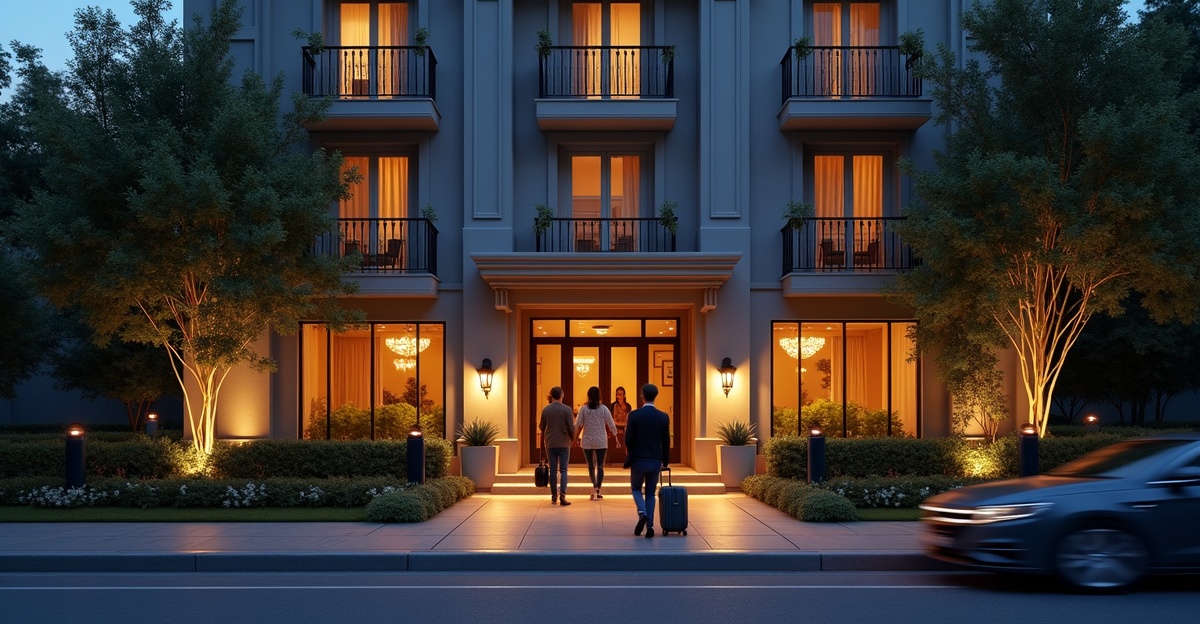
Hotel outdoor lighting directly shapes curb appeal by controlling first impressions, reinforcing perceived value, and influencing booking decisions before guests step inside. We rely on a strategic, layered lighting plan that blends façade lighting, clear entrance visibility, safety standards, and smart controls to turn any property into a welcoming, secure, and professionally managed destination after dark.
Key Takeaways
- Exterior lighting shapes first impressions, affects how guests judge quality and safety, and increases their willingness to book or pay premium rates. We treat lighting as a revenue driver, not just a finishing touch.
- A layered lighting strategy that combines ambient, accent, and task lighting adds depth, highlights architectural features, and strengthens curb appeal. We use each layer with intent to guide the eye and define the building’s character.
- Clear entrance and pathway lighting improves visibility, supports camera performance, and strengthens guest confidence during arrival. We position fixtures to eliminate dark spots and reduce liability risks.
- Consistent color temperature, controlled glare, and balanced brightness reinforce brand identity while preserving comfort and meeting code requirements. We standardize these elements to keep the exterior cohesive and polished.
- Energy-efficient LED systems and smart controls reduce operating costs, stabilize performance, and simplify maintenance. We integrate automation and scheduling to maintain consistent results with minimal manual oversight.
Why First Impressions Drive Perceived Value and Bookings
Guest perceptions form before the lobby doors ever open. Hotel outdoor lighting shapes those perceptions within seconds of arrival.
Lighting influences how guests judge quality, safety, and professionalism. A brightly balanced, well-structured exterior signals that management pays attention to detail. Dim, uneven, or poorly positioned fixtures suggest neglect. That conclusion happens instantly and often subconsciously.
Hotel outdoor lighting also affects perceived value. When a property looks polished and inviting after sunset, guests justify premium rates more easily. That emotional response translates into stronger brand presence, positive reviews, and repeat stays. In competitive markets, the arrival experience can influence booking decisions before amenities or room features enter the picture.
Well-planned hospitality exterior lighting communicates three powerful messages:
- The property is safe.
- The property is clean.
- The property is professionally managed.
Each message builds confidence. Strong confidence supports stronger bookings.
Effective hotel entrance lighting reinforces this perception. Guests want to see clearly where they are walking, driving, and checking in. They also want to feel visible to staff and security teams. When lighting supports that comfort, stress drops and satisfaction rises.
In many markets, multiple hotels offer similar room layouts and price points. The exterior experience becomes a deciding factor. A memorable arrival can increase the likelihood of repeat visits and stronger online reviews. Exterior design is no longer optional. It directly supports revenue goals.
How Strategic Hotel Outdoor Lighting Transforms Curb Appeal
Curb appeal in hospitality extends beyond landscaping. It includes visibility from the road, architectural emphasis, a welcoming atmosphere, and consistency with the hotel brand.
Strategic hotel outdoor lighting uses layered illumination instead of relying on a single floodlight solution. A layered approach blends ambient illumination, accent lighting, and task lighting. Together, these layers create depth, clarity, and visual interest.
Ambient lighting establishes overall visibility. Accent lighting highlights architectural features and elevates design details. Task lighting supports safety and functional areas such as pathways and drop-off zones. When these elements work together, the property feels cohesive and intentionally designed.
Aesthetic impact and safety go hand in hand. Properties that appear well lit are perceived as more secure. Even illumination reduces harsh shadows, which improves visibility for guests and camera systems. Strong lighting signals professional oversight and active management.
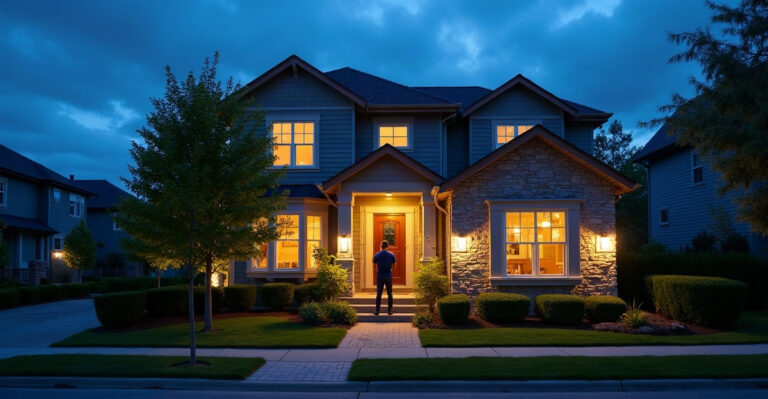
Façade lighting adds dimension and scale. Wall washing can emphasize height and symmetry. Grazing techniques reveal texture in stone, brick, or architectural panels. Canopy lighting defines entrance zones and improves visual comfort during check-in. Landscape illumination frames the structure and adds depth.
Under-eave installations often play a major role in modern projects. Properly integrated under eave lighting keeps fixtures discreet while delivering smooth, downward illumination that enhances both form and function.
Effective hotel outdoor lighting is never an afterthought. Planning must align with architectural design, brand standards, and operational goals. Early coordination prevents inconsistent brightness, mismatched color temperatures, and uneven coverage. A unified plan delivers refined hospitality exterior lighting rather than scattered fixtures competing for attention.
For broader insight into exterior visual impact, the principles shared in smart outdoor lighting and curb appeal apply equally well to hospitality projects.
Designing a Memorable Arrival with Hotel Entrance Lighting
The guest journey begins at roadway visibility and continues through driveway access, drop-off zones, and the final approach to the lobby. Every step requires intentional lighting design.
Clear visibility from the street ensures drivers can locate the property quickly. Driveway lighting must guide vehicles smoothly without creating glare. The drop-off area needs focused brightness for luggage handling, greetings, and valet coordination.
Vertical illumination is essential at entrances. Balanced light on faces improves recognition, enhances perceived security, and supports camera clarity. Guests feel safer when they can see and be seen clearly.
Key Entrance Lighting Elements
Hotel entrance lighting performs multiple roles at once. These core strategies create a seamless arrival:
- Illuminated canopies provide shelter and visual comfort. Even, downward light reduces harsh shadows and prevents glare at eye level.
- Driveway and drop-off zone lighting ensures safe traffic flow. Fixtures must define pedestrian areas clearly and prevent headlight washout.
- Signage illumination delivers instant brand recognition. Brightness should match the overall lighting scheme without overpowering the façade.
Luxury resorts often use warmer color temperatures to create an inviting glow. Boutique hotels may emphasize architectural textures and artistic fixtures. Business hotels near airports tend to prioritize clarity, brightness, and streamlined design. Each segment benefits from careful balancing of brightness levels to avoid overlighting.
Glare control is critical. Excessive brightness can create discomfort and visual fatigue. Proper shielding, beam angles, and mounting heights prevent that issue while maintaining optimal visibility.
Essential Hospitality Exterior Lighting Techniques That Elevate the Entire Property
Strong hospitality exterior lighting extends beyond the entrance. Every zone of the property contributes to the overall perception.
Façade lighting and wall washing add architectural drama. Grazing techniques highlight surface texture. Washing techniques create uniform vertical brightness that emphasizes structure and scale. Consistent color temperature reinforces brand identity and minimizes visual clutter. Cooler tones often suggest modern precision, while warmer tones suggest comfort and elegance.
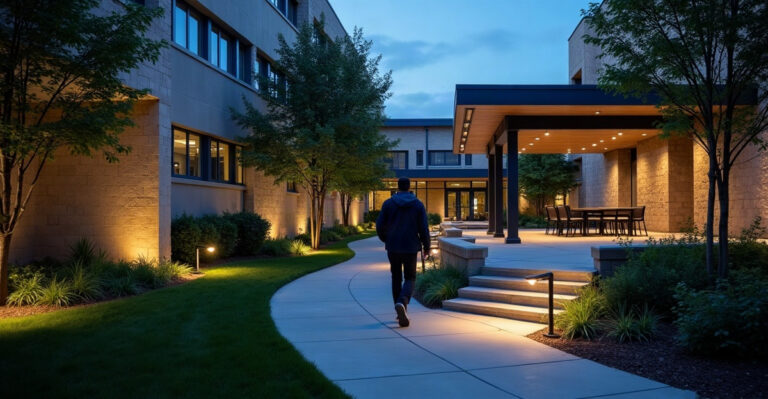
Pathway and wayfinding lighting guide guests safely from parking areas to building entrances. Clearly defined walkways prevent confusion and reduce accidents. Lighting should distinguish pedestrian routes from vehicle paths to enhance safety.
Landscape illumination adds depth and warmth. Trees, shrubs, water features, and courtyard seating areas benefit from controlled accent lighting. Integrated outdoor accent lighting ensures the environment feels intentional rather than improvised.
Outdoor lounge spaces also benefit from ambient layering. Subtle outdoor mood lighting can enhance patios, pool decks, and event areas without overpowering the main façade.
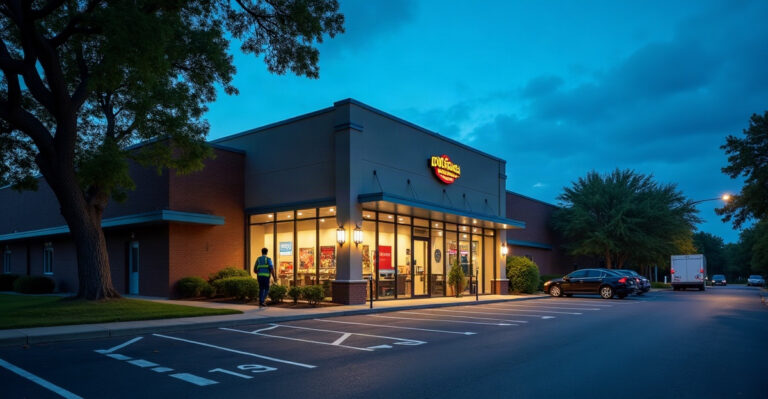
Signage illumination deserves special attention. The brand name must remain visible from the street while staying balanced with surrounding lighting. Excessive brightness creates glare and visual imbalance. Controlled illumination keeps the identity clear and refined.
Parking areas require even distribution of light. Guests should feel secure walking to and from vehicles. Uniform coverage prevents dark zones that could compromise safety. Many properties incorporate dedicated outdoor security lighting solutions to improve visibility and support camera performance.
When all these elements work together, they create cohesive hospitality exterior lighting. The property feels unified rather than pieced together over time.
Hotels operating in competitive metro areas benefit from working with specialists in commercial outdoor lighting who understand large-scale coordination, code requirements, and long-term maintenance planning.
Safety, Compliance, and Energy Efficiency: Protecting Guests and Operating Costs
Safety remains a primary responsibility for every hospitality property. Proper illumination of stairs, ramps, pathways, and parking areas reduces trip hazards and slip-and-fall risks. Clear vertical lighting at entrances and key transition points improves security visibility and supports surveillance systems.
Compliance also requires close attention. Local codes define minimum lighting levels and glare limitations. Dark-sky guidelines may apply in certain regions to minimize upward light spill. Avoiding light trespass onto neighboring properties protects community relationships and prevents potential violations.
Energy efficiency plays a major role in modern hotel projects. LED systems provide long lifespans and consistent performance. Reduced maintenance frequency lowers operational disruptions. Energy-efficient fixtures help control electricity costs and support sustainability initiatives.
Thoughtful hotel outdoor lighting balances visibility, aesthetics, and regulatory requirements simultaneously. Brightness must meet safety standards without becoming excessive. Color temperature must align with brand goals while respecting compliance considerations. Efficient technology must integrate smoothly with daily operations.
A strategic approach protects both guests and operating budgets.
Smart Controls and Automation in Modern Hotel Exterior Projects
Control systems have transformed how hotels manage exterior lighting. Centralized platforms allow facility teams to adjust schedules, brightness levels, and color settings from a single interface.
Automation supports consistency. Lights can activate at sunset, dim during low-traffic late-night hours, and increase during peak arrival times. This flexibility improves efficiency without sacrificing visual quality.
Energy monitoring provides cost transparency across properties. Portfolio managers gain data to compare performance at multiple locations. Scalable systems work well for both single boutique hotels and multi-property brands.
New builds have the advantage of integrating infrastructure during construction. Conduit planning, control wiring, and fixture placement can align perfectly with architectural plans. Renovation projects require strategic upgrades that minimize disruption to operations. Modern systems allow phased installations that keep guest impact low.
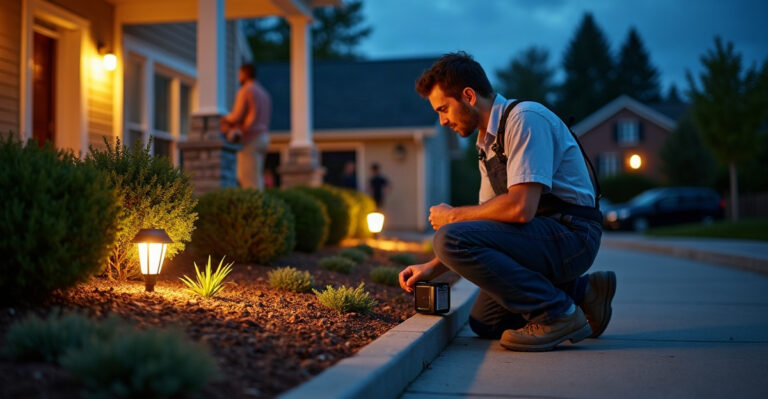
Common mistakes in hotel exterior lighting design include treating fixtures as decorative accents only, ignoring compliance standards, and overcomplicating specifications with unnecessary technical features. Another frequent issue is copying residential examples for commercial environments. Hospitality projects demand commercial-grade solutions built for scale and performance.
Planning a hotel exterior lighting upgrade requires experience in hospitality environments. Coordinating architecture, safety, branding, and technology takes specialized knowledge. For properties evaluating improvements or expansions, connecting with a qualified team through lighting project consultation helps reduce risk and improve long-term results.
Comprehensive, well-managed hotel outdoor lighting strengthens curb appeal, supports operational efficiency, and reinforces brand reputation. Consistent execution across every exterior zone keeps properties competitive and memorable long after sunset.