App-controlled Outdoor Lighting: What To Expect
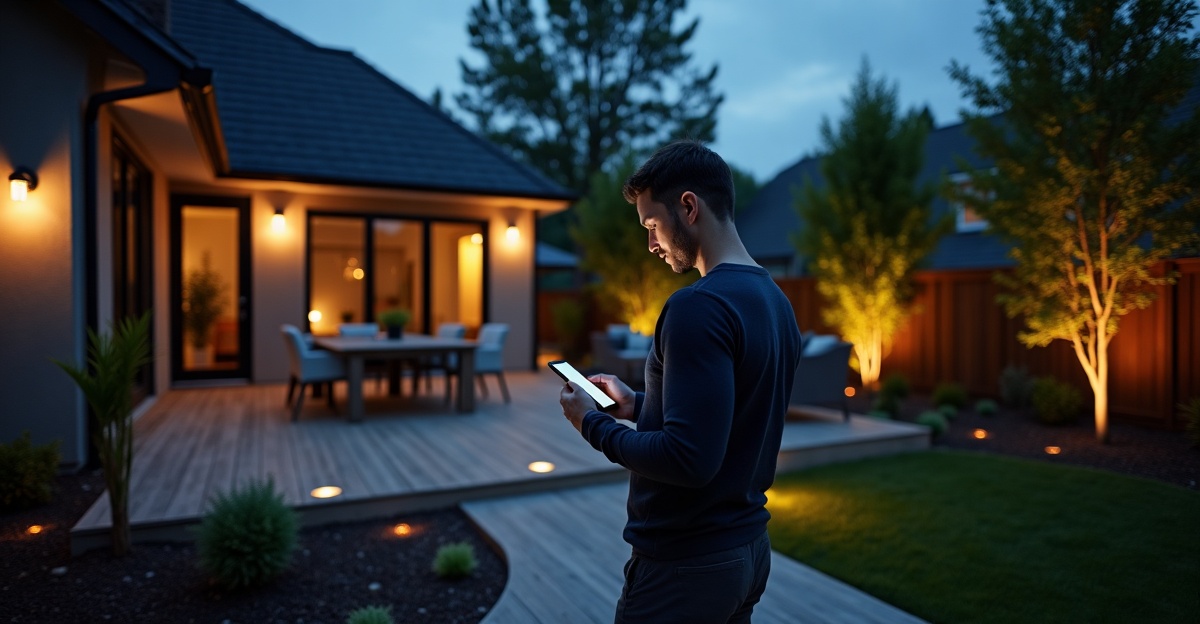
App controlled outdoor lights give us direct smartphone control over exterior fixtures. We can adjust brightness, change RGB colours, create zones, and manage schedules without manual timers. Understanding what to expect from app controlled outdoor lights means recognising their flexibility and automation advantages, along with the need for reliable connectivity, compatible hardware, and proper installation for steady performance.
Key Takeaways
- App-based systems let us control lighting remotely, set schedules, build scenes, dim fixtures, change colours, and group zones from one clear interface.
- Performance relies on strong Wi-Fi or network coverage, compatible controllers, and correctly sized transformers and fixtures.
- New builds make integration simpler, while retrofit projects often require hardware upgrades and improved network planning.
- Ongoing maintenance involves firmware updates, app management, and routine cleaning of outdoor fixtures.
- Smart systems fit larger properties and detailed lighting plans, while small single-circuit setups often work well with basic timers.
What We Can Realistically Expect from App Controlled Outdoor Lights
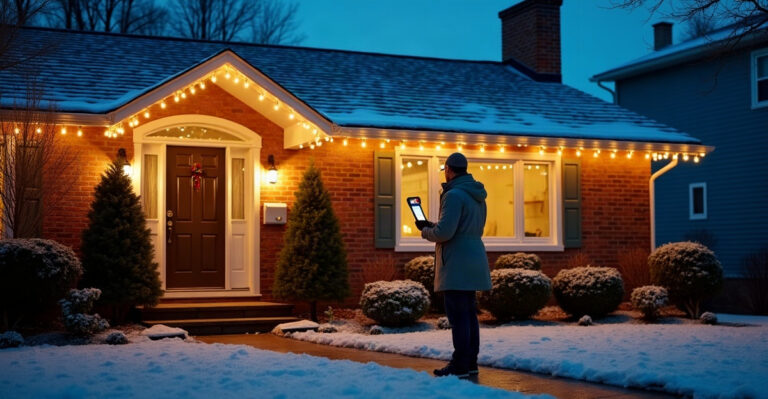
App controlled outdoor lights give us direct control over our exterior lighting from a smartphone or tablet. Through smart lighting apps, we can adjust brightness, change colours on RGB fixtures, turn lights on or off, group multiple zones, and create custom scenes in seconds.
Those features translate into clear advantages. We can schedule lights to turn on every evening while we’re away, strengthening perimeter visibility and supporting outdoor security lighting. We can dim patio lights for relaxed entertaining or activate vibrant colour scenes for seasonal celebrations. We can manage everything without stepping outside or adjusting manual timers.
Control also means flexibility. We’re no longer tied to fixed schedules that don’t account for changing daylight hours. With app controlled outdoor lights, we can shift on/off times as seasons change or respond instantly if plans change.
At the same time, results depend on setup. Strong performance relies on reliable network coverage, compatible hardware, and correct installation. Smart lighting apps provide control, customisation, and visibility into system status. They don’t guarantee flawless “set and forget” automation without proper planning. A well-installed system feels seamless. A poorly planned one can feel unreliable.
How App Controlled Outdoor Lights Work
An app-based system connects outdoor fixtures to a controller that communicates with smart lighting apps. That connection may use Wi-Fi, Bluetooth, a dedicated hub, or a proprietary controller linked to the home network.
Most systems include:
- LED fixtures rated for outdoor use
- A transformer or driver that regulates voltage
- A controller or hub (if required)
- A home network connection
- A mobile app interface
The control process follows a simple path. We send a command in the app. That signal travels through Wi-Fi, Bluetooth, or a cloud service. The controller receives the instruction and relays it to the fixtures. The lights adjust instantly based on that command.
In practice, this means we can increase brightness on landscape lighting from inside the house instead of walking outside to reset a timer. We can switch an entire garden zone off before bed with a single tap.
Compatibility matters. Some systems integrate smoothly with certain routers or ecosystems, while others require specific hardware. Before installation, we confirm device compatibility and understand Wi-Fi requirements for smart lights to avoid connectivity gaps.
Key Features Offered by Smart Lighting Apps
Smart lighting apps package multiple control tools into a single interface. These features give us structure and flexibility.
Core Capabilities That Make a Difference
We commonly gain access to:
- Remote control from anywhere with an internet connection
- Scheduling for daily on/off times and seasonal changes
- Scene creation for events like “Entertaining” or “Security”
- Grouping and zoning of fixtures by area
- Dimming and colour control, if supported by the hardware
- Integration with voice assistants and smart home ecosystems
- Automation rules triggered by time or connected devices
Remote access gives us peace of mind. If we forget to switch lights on before leaving for a trip, we can activate them from anywhere. Scheduling supports consistency. We can set winter lighting to activate earlier as daylight fades sooner.
Scene setting brings simplicity. Instead of adjusting each fixture individually, we create presets. Pathway lights stay bright for safety, while garden beds glow softly for ambience.
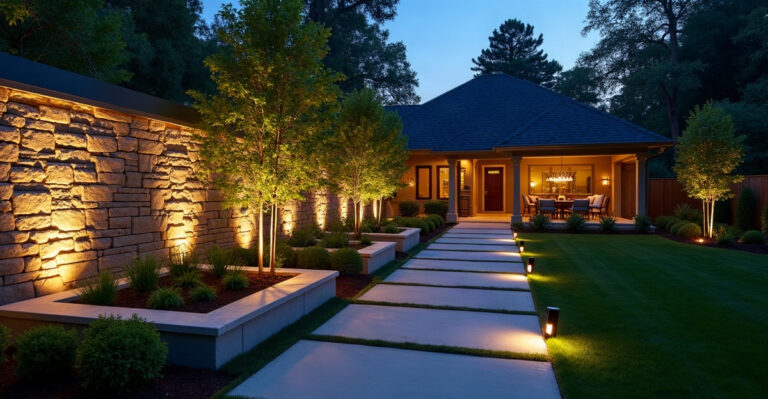
Grouping and zoning are essential for layered lighting plans. We may want pathway lighting separate from façade lighting installed as under eave lighting. App control allows that separation.
Integration expands possibilities. Some systems support voice assistant compatibility. We can review details about smart lights with Alexa or Google before choosing hardware.
Performance still depends on connectivity and configuration. No app eliminates limitations caused by weak signals or incompatible components.
Installation Considerations: New Builds vs Retrofits
New construction offers the easiest path to seamless integration. During planning, we can route cabling cleanly, position controllers in accessible locations, and ensure strong outdoor Wi-Fi coverage from the start.
Retrofits require more evaluation. An existing transformer may need upgrading to support additional load. A separate smart controller might need to be added. Outdoor Wi-Fi range often needs improvement, especially at the back of a large garden.
Voltage compatibility is critical. We confirm that fixtures, drivers, and transformers operate on the same system. Insufficient transformer capacity can cause flickering or unreliable performance.
Weather durability also matters. Outdoor fixtures require appropriate IP ratings to withstand rain, dust, and temperature swings. Coastal environments may demand higher corrosion resistance.
Connectivity is one of the most common pain points. Wi-Fi strength drops as distance increases or materials block signals. Many performance issues trace back to poor network planning rather than lighting hardware. Mesh networks or signal extenders often resolve these issues before they become recurring frustrations.
Proper planning ensures that modern residential outdoor lighting systems deliver consistent results rather than intermittent control.
Connectivity, Maintenance, and Long-Term Usability
Even well-installed app controlled outdoor lights depend on stable connectivity. Wi-Fi dead spots, router resets, or occasional cloud service disruptions can temporarily interrupt control. In most cases, the lights continue running on their last programmed schedule, even if remote access pauses.
Firmware and app updates play a role in long-term performance. Manufacturers release updates that refine features or improve security. These updates may require manual approval within the app. Ongoing support from the manufacturer is an important consideration before purchase.
Physical maintenance still applies. Outdoor fixtures need occasional cleaning to remove dirt or debris that can reduce light output. Lenses should be inspected, and ageing components replaced when necessary.
Energy efficiency expectations should remain realistic. LED-based app controlled outdoor lights consume far less energy than halogen alternatives. Automated scheduling can reduce unnecessary runtime. Actual energy savings depend on usage patterns and how long fixtures operate each night. Automation supports awareness and control, but consumption changes rely on how we program the system.
Who App Controlled Outdoor Lighting Is Right For—and When Simpler Systems May Be Enough
App controlled outdoor lights work best for homeowners and property professionals who value automation, remote access, and custom aesthetic control. Larger properties benefit significantly, since manual switching becomes impractical across multiple zones.
Technology-focused projects, modern renovations, and advanced landscape designs often justify smart integration. Systems like outdoor mood lighting rely on dimming and colour adjustments that are far easier to manage through smart lighting apps.
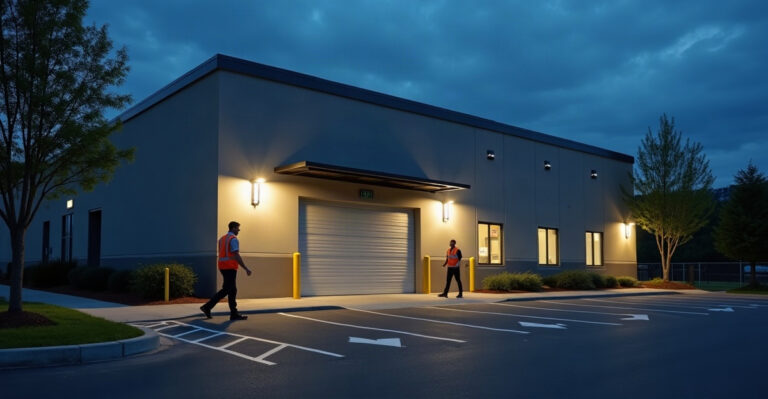
Commercial properties also gain advantages from central control and scheduling, especially within structured commercial outdoor lighting systems that require coordinated operation.
However, a small garden with a single lighting circuit may function perfectly with a basic timer. In that case, app-based control could exceed actual needs.
An informed decision starts with evaluating budget, property size, connectivity reliability, and long-term goals. We compare simple timer systems with full app integration. We assess whether remote access, scene creation, and ecosystem compatibility justify the added investment.
Understanding capabilities, setup requirements, and maintenance demands allows us to move forward confidently. With realistic expectations and proper installation, app controlled outdoor lights deliver convenience, flexibility, and high-quality control that elevate exterior lighting beyond manual switches.