How to Set a Lighting Schedule to Match the Natural Daylight Cycle
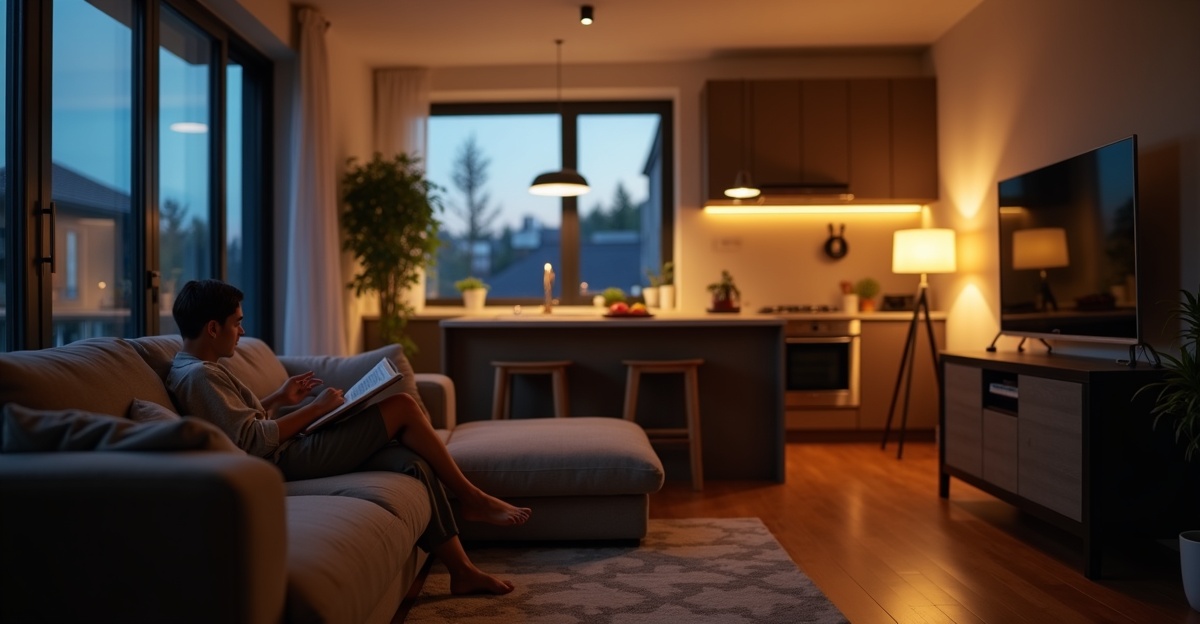
Setting a lighting schedule that follows the natural daylight cycle helps us mirror the brightness and color temperature shifts from sunrise to night. This approach improves comfort, supports focus, and encourages better evening relaxation. By organizing lighting into clear time blocks—morning (4000–5000K), midday (3500–4000K), and evening (2200–3000K)—and programming smooth transitions, we create a practical, automated system that fits real daily routines.
We recommend treating lighting as part of a structured daily plan rather than an afterthought. Smart scheduling lets us align indoor light with circadian rhythms. As professionals, we see consistent gains in energy, mood, and sleep quality when clients apply this strategy correctly.
Key Takeaways
- Natural daylight shifts in brightness and color temperature throughout the day, and we should reflect those changes indoors to support productivity, mood, and sleep.
- A full-day schedule uses cooler, brighter light in the morning and midday, then shifts to warmer, dimmer light in the late afternoon and evening. We program these phases with intention so each period supports the tasks at hand.
- Gradual transitions over 15–60 minutes feel natural and prevent visual discomfort compared to sudden lighting changes. We always suggest fade-ins and fade-outs instead of instant switches.
- Tunable white LEDs, dimmers, timers, sensors, and app-based controls make scheduling simple and flexible in both renovations and retrofits. We can integrate these tools into most existing systems without major rewiring.
- The most effective schedule stays personal. We adjust it for lifestyle, seasonal daylight changes, and room-specific needs so it continues to perform well year-round.
What Changes in Natural Light Throughout the Day (And Why It Matters Indoors)
Natural daylight changes constantly from sunrise to night. Brightness increases, color temperature shifts, and timing adjusts with the sun’s position. When we create a lighting schedule to match natural daylight cycle, we bring those same patterns indoors in a controlled and practical way.
Three key elements define natural light:
- Brightness (lumens): This measures the amount of light output. Higher lumens mean brighter light. Midday sunlight delivers significantly higher brightness than early morning or evening light.
- Color temperature (Kelvin): This measures whether light appears warm or cool. Lower Kelvin values (around 2200–3000K) create warm, golden tones. Higher values (4000–5000K) appear cooler and more energising.
- Circadian-based smart lighting: Lighting systems programmed to shift brightness and color temperature throughout the day to reflect natural daylight patterns.
In the morning, natural light tends to feel cooler and crisp, typically around 4000–5000K. This range supports alertness and clear visibility. By midday, daylight shifts closer to a bright, neutral 3500–4000K. In the evening, the sun produces warmer tones between 2200–3000K, which feel relaxing and comfortable.
Aligning indoor lighting with these changes supports general well-being, mood consistency, productivity, and sleep support. Cooler light during active hours helps with task clarity and focus. Warmer light in the evening encourages winding down. We also improve comfort by avoiding harsh lighting at night and overly dim conditions during working hours.
A well-planned schedule offers practical advantages:
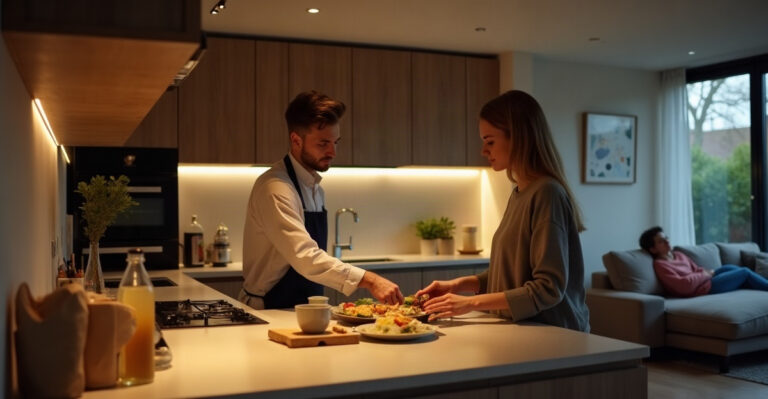
- Better task visibility in kitchens, offices, and bathrooms
- Balanced ambiance in shared living areas
- Reduced glare and eye strain in the evening
- Potential energy efficiency gains when lights dim automatically at night
Instead of a static setting, the home adapts gradually throughout the day. That shift feels natural because it mirrors what happens outdoors.
A Practical Full-Day Natural Daylight Lighting Schedule Example
A natural daylight lighting schedule gives us a clear starting point. We can adjust it based on lifestyle and location, but this baseline framework works well in most homes.
Early Morning (6:00–9:00 am)
Increase brightness gradually. Aim for 4000–5000K in kitchens, bathrooms, and home offices. This cooler range supports grooming routines, breakfast preparation, and early productivity. Bedrooms can transition more gently, starting slightly warmer and brightening over 30–60 minutes.
Midday (9:00 am–3:00 pm)
Maintain higher brightness levels. Use 3500–4000K for clarity and focus. Home offices benefit from consistent neutral light. Kitchens and workspaces also feel clean and energised at this range. Living rooms can remain bright if actively used.
Late Afternoon (3:00–6:00 pm)
Reduce intensity slightly and transition toward 3000–3500K. This shift softens the environment as daylight decreases. Common areas like dining rooms and family rooms feel more balanced and comfortable during this phase.
Evening (6:00–9:00 pm)
Lower brightness significantly. Use warm tones between 2200–3000K. Living rooms, bedrooms, and outdoor relaxation areas benefit from this softer glow. Entertainment lighting should avoid cool tones, which can feel harsh late in the day.
Night (after 9:00 pm)
Keep lighting minimal. Very warm tones near 2200K work well for pathways, under-cabinet lighting, or low-level fixtures. Bedrooms should remain dim, with only essential illumination for safety.
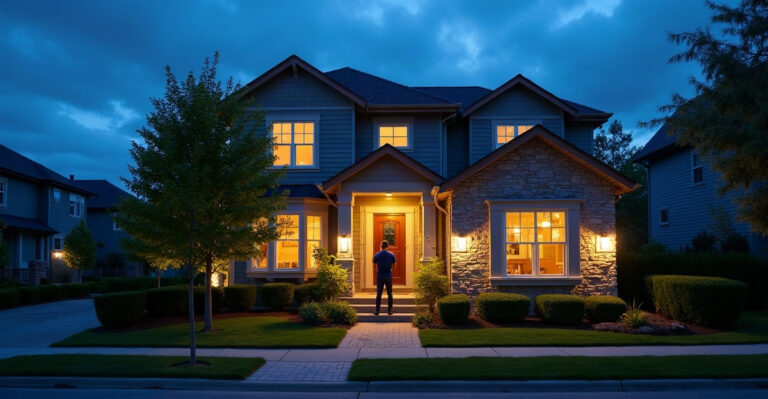
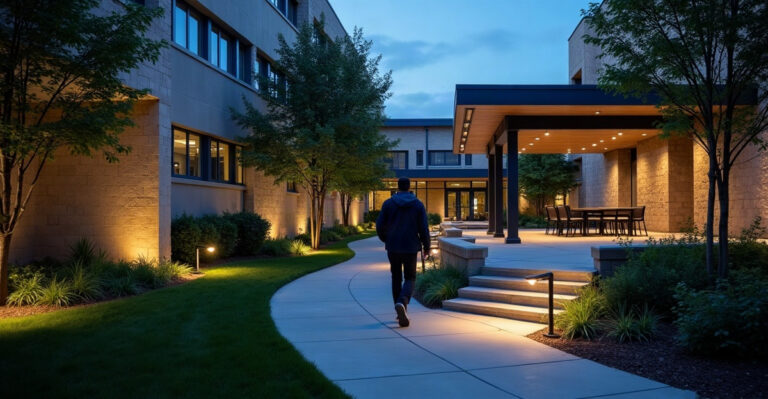
Room-by-room application makes the schedule practical. Kitchens and offices require brighter, cooler light earlier in the day. Bedrooms and living rooms should prioritise warmth and reduced intensity at night. Outdoor areas can follow a similar pattern, especially with systems such as residential outdoor lighting that support programmable scenes.
This schedule serves as a guide, not a rigid rule. Work patterns, family routines, and seasonal daylight hours all influence final settings. Flexibility ensures the lighting supports daily life rather than restricting it.
How to Set Up a Lighting Schedule to Match Natural Daylight Cycle
Creating an effective system requires a clear plan. We keep the process simple and structured.
Step-by-Step Setup
Follow these steps to build a reliable schedule:
- Assess daily routines and occupancy patterns. Identify wake times, work hours, and wind-down periods.
- Map local sunrise and sunset times. This ensures the system reflects actual daylight availability.
- Assign color temperature and brightness targets to defined time blocks.
- Create lighting scenes such as Morning Boost, Focus Time, Relax, and Wind Down.
- Schedule gradual transitions over 15–60 minutes instead of abrupt changes.
Gradual shifts feel natural and avoid visual discomfort. Smart systems handle these transitions automatically once programmed.
Tools That Make It Easy
Modern systems simplify the process. We can use:
- Timers and app-based schedules for automatic daily changes
- Dimming controls to adjust light output precisely
- Tunable white LED fixtures that shift between warm and cool Kelvin ranges
- Occupancy and daylight sensors that respond to movement or natural sunlight
- Integration with shading systems so blinds and lighting work together
Many homeowners ask how these systems are controlled in practice. Resources such as controlling permanent outdoor lighting explain scheduling and automation principles that also apply indoors.
Smart lighting does not require complex programming. Most systems allow scene creation through clear menus and mobile apps. Articles like app-controlled outdoor lighting outline how user-friendly these interfaces have become.
Solutions from providers such as Big Pig Smart Lighting allow customisation, automation, and integration without technical barriers. We set the framework once, then fine-tune over time.
Planning for Renovations vs. Retrofits
Lighting strategy differs depending on whether we’re building new or upgrading an existing home.
For renovations or new builds, planning early delivers the best results. Specify tunable white LED fixtures so color temperature adjustment is built in. Layer the design with ambient, task, and accent lighting. Integrate controls during the electrical planning stage to ensure seamless automation.
Outdoor spaces also benefit from early design decisions. Systems such as under-eave lighting or outdoor accent lighting can follow the same circadian-inspired scheduling logic as interior lighting.
For retrofits, start with practical upgrades. Install smart bulbs or switches with adjustable Kelvin ranges. Add plug-in lamps that support tunable white settings. Focus first on bedrooms and kitchens, where daily rhythm matters most.
Energy efficiency improves with automation. Automated evening dimming reduces unnecessary electrical use. Daylight sensors prevent over-lighting during sunny periods. Over time, these adjustments support both comfort and operating cost control.
Homeowners, designers, architects, and builders all benefit from structured planning. A clear schedule and the right hardware lead to consistent, predictable outcomes.
Adapting Your Lighting Schedule to Real Life
Daily life rarely follows a perfect pattern. Lighting must adapt accordingly.
Shift workers may require a reversed schedule. Late wake times might call for cooler light in the afternoon and warmer tones near early morning. Seasonal changes also matter. Long summer days require different timing than short winter afternoons. Geographic location directly affects sunrise and sunset variation.
Personal sensitivity to light plays a role as well. Some individuals respond strongly to cool light at night and prefer warmer tones earlier in the evening. Others prioritise bright task lighting for extended work hours.
Technology should support daily living rather than dictate it. Reviewing settings every few months keeps the system aligned with real routines. Adjust scene timing as habits shift. Modify brightness levels if rooms feel too dim or intense.
The best lighting schedule to match natural daylight cycle is personalised. We use natural patterns as a guide, then tune the system based on actual experience inside the space.
With thoughtful programming and periodic refinement, lighting becomes an adaptable tool that supports comfort, clarity, and everyday function throughout the year.