Outdoor Lighting Placement: Where Should Lights Go?
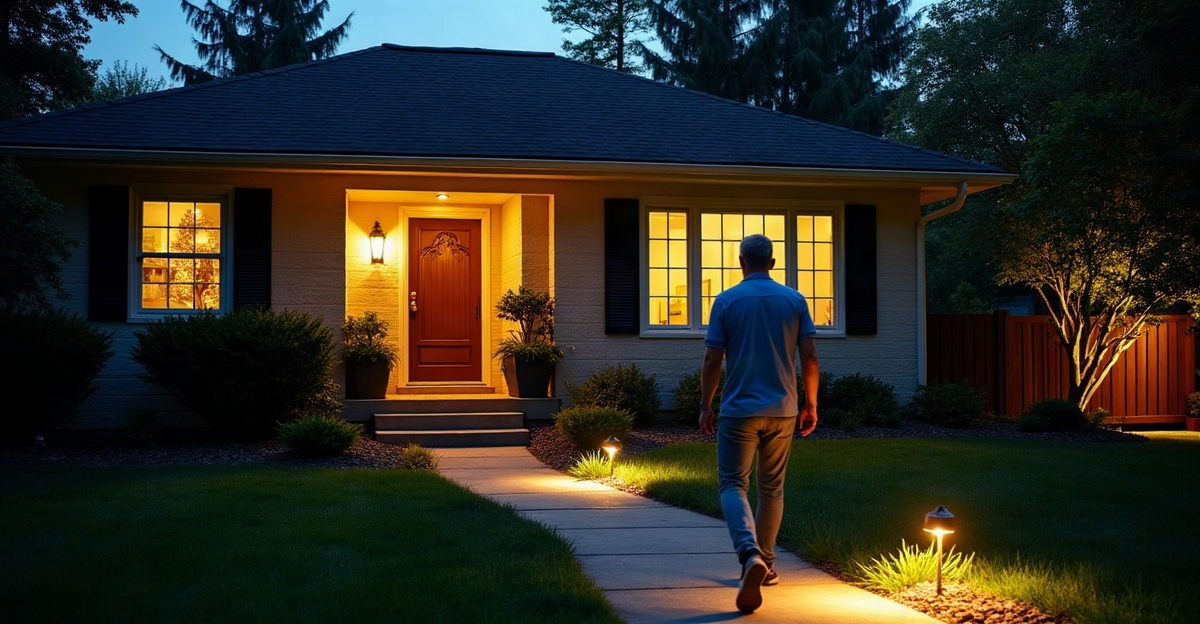
Start outdoor lighting placement at entrances, walkways, steps, driveways, and other high-use routes. Then extend coverage to patios, decks, gardens, and security-sensitive areas. We create effective layouts with layered, shielded fixtures and suitable controls. This approach improves visibility, limits glare, and keeps exterior spaces comfortable after dark.
Key Takeaways
- Walk the property after dark. Identify trip hazards, blind corners, unclear routes, and sources of glare.
- Light doors, paths, stairs, level changes, and driveways with controlled, downward-facing fixtures. These lights support safe movement.
- Layer lighting across patios, decks, and gardens. Combine task lighting with focused accents, and retain darker areas to add depth.
- Target security lighting at vulnerable entry points. Use shielded fixtures and motion sensors to reduce glare and prevent light spill.
- Match fixtures, outdoor ratings, zones, and smart controls to each area’s use. Review the layout as landscaping and outdoor habits change.
How to Plan Outdoor Lighting Placement
Good outdoor lighting placement starts with how people use the property after dark. The goal is not to light every inch of the yard. Instead, focus on areas where people walk, gather, enter, park, and spend time.
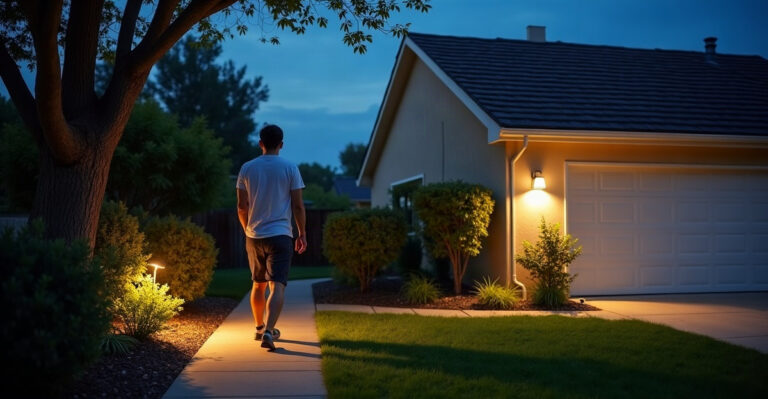
Begin by walking around the property at night. Notice dark steps, uneven surfaces, entrances, corners, and areas where the path becomes difficult to follow.
A professional residential outdoor lighting plan can bring these areas together into one coordinated layout. It can also help prevent common problems such as excessive brightness, poor fixture spacing, and light shining directly into windows.
Start With High-Use Areas
The most important areas usually include:
- Front and back doors
- Walkways
- Steps and stairs
- Driveways
- Gates
- Garages
- Patios and decks
These areas need enough light for people to move safely. However, brighter does not always mean better. Fixtures should direct light where it is needed without producing uncomfortable glare.
Outdoor Lighting Placement Around Entrances
Entrances need clear, welcoming lighting because people frequently use them after dark.
Place fixtures close enough to doors to make handles, locks, steps, and visitors easy to see. Wall-mounted fixtures on either side of a door can create balanced coverage.
For side or back doors, one properly positioned fixture may be enough. The light should illuminate the entrance and nearby ground without shining directly into people’s eyes.
Under rooflines, under-eave lighting can add another layer of illumination. It can highlight walls, entry areas, and architectural details while keeping fixtures less visually prominent during the day.
Avoid Excessive Entrance Lighting
Too much light near a doorway can make nearby areas appear darker. It may also cause glare for visitors approaching the home.
Choose controlled fixtures instead of relying on very bright bulbs. The goal is to clearly see the entrance while maintaining comfortable light levels around it.
Where to Place Lights Along Walkways and Steps
Pathways should be easy to follow from one destination to another.
Place path lights where they can show the edges of the walkway, turns, changes in surface, and nearby obstacles. Avoid placing fixtures in perfectly straight lines unless that matches the property’s design.
Alternating fixture positions can create a softer, more natural appearance.
Steps require additional attention. Lighting should make the edge and height of each step easy to understand.
Suitable locations can include:
- Beside stairways
- Inside stair walls
- Beneath railings
- Near changes in elevation
- Along nearby walls
The fixture itself should not become a tripping hazard.
Outdoor Lighting Placement for Driveways
Driveway lighting should help drivers and pedestrians understand the boundaries of the space.
Place lighting near the entrance to the driveway, parking areas, garage doors, and pedestrian routes leading toward the property.
Low-level fixtures can define driveway edges without creating the appearance of an airport runway. Lighting near the garage can also make it easier to park, unload vehicles, and move between the driveway and home.
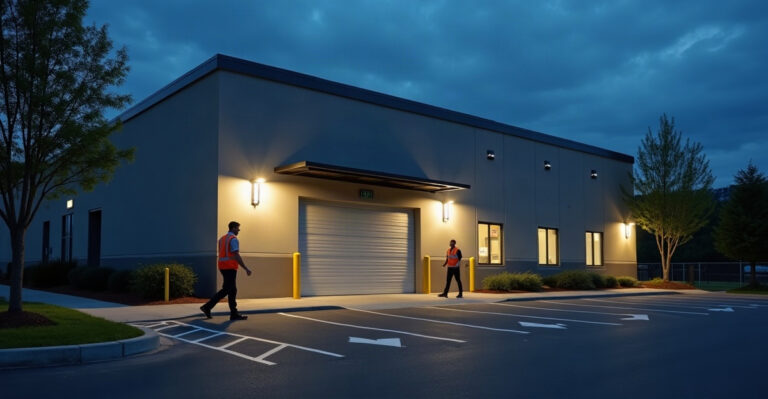
Commercial properties require similar planning on a larger scale. A commercial outdoor lighting design may need to consider parking areas, pedestrian routes, customer entrances, delivery zones, and building façades.
How to Light Patios and Outdoor Living Areas
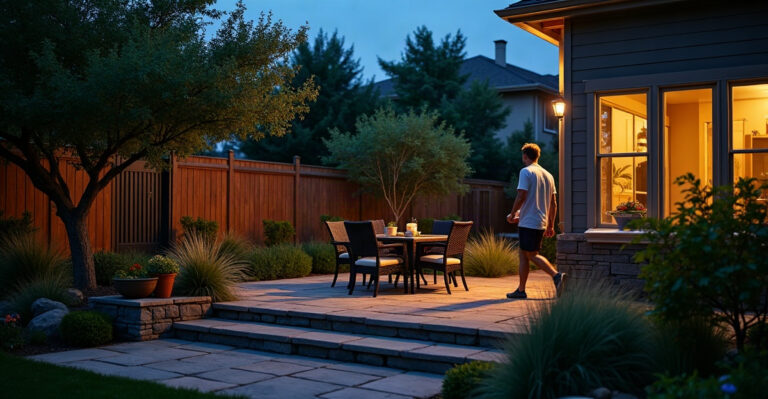
Patios, decks, and outdoor seating areas usually need several types of lighting.
One bright fixture may illuminate the entire space, but it can feel harsh. Layered lighting often produces a more comfortable result.
Use Task and Mood Lighting Together
Task lighting helps with activities such as cooking, eating, or walking between spaces.
Softer outdoor mood lighting can make seating and entertainment areas feel more relaxed. Lower-intensity lighting around walls, landscaping, or nearby structures can create depth without overpowering the space.
Useful locations include:
- Outdoor kitchens
- Grills
- Dining tables
- Seating areas
- Deck stairs
- Poolside paths
- Pergolas
Keep fixtures away from direct eye level whenever possible.
Outdoor Lighting Placement in Gardens and Landscaping
Landscape lighting works best when it highlights selected features instead of illuminating every plant.
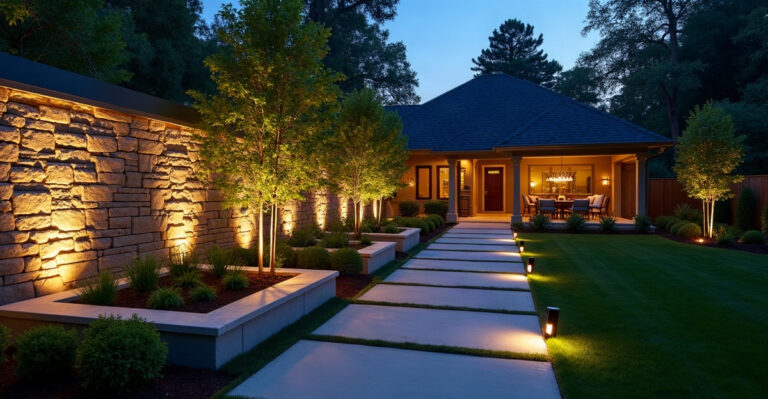
Use outdoor accent lighting to draw attention to trees, textured walls, sculptures, garden beds, or other visual features.
Uplighting can emphasize the height or shape of a tree. Downlighting from a higher position can create softer illumination over plants or pathways.
Place fixtures carefully so plants do not completely block the light as they grow.
Leave Some Areas Dark
Darkness is part of an effective lighting design.
When every part of the yard has equal brightness, individual features lose their impact. Darker spaces between illuminated areas create contrast and help guide attention.
This balance can also reduce unnecessary light spill beyond the property.
Where Security Lighting Should Go
Security lighting should focus on vulnerable or frequently accessed parts of the property rather than flooding the entire exterior with bright light.
Common locations include:
- Side doors
- Back entrances
- Garages
- Gates
- Dark side yards
- Storage areas
- Driveways
Professional outdoor security lighting can combine fixture placement with motion sensors and targeted coverage.
Position Motion Lights Carefully
Motion lights should activate when someone approaches an important area. They should not trigger constantly because of normal street traffic, animals, or nearby movement.
Angle fixtures downward toward the area being monitored. Avoid pointing high-output security lights toward neighboring homes, streets, or windows.
Consider Seasonal and Holiday Lighting
Some exterior lighting systems can support more than everyday illumination.
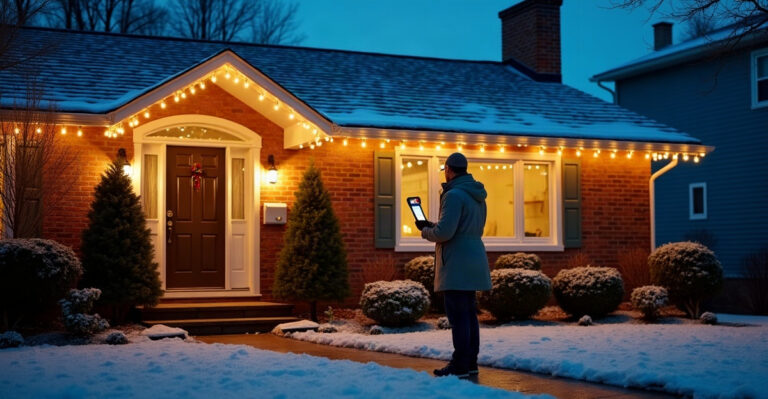
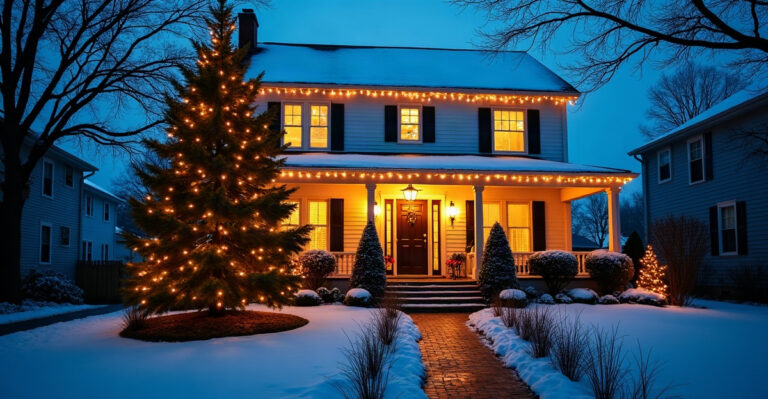
For example, outdoor holiday lights can add seasonal color to rooflines, architectural details, and entertainment areas.
Planning permanent fixture locations with future events in mind can make it easier to change the appearance of the property without adding temporary fixtures every season.
Common Outdoor Lighting Placement Mistakes
Even good fixtures can perform poorly when placed in the wrong location.
One common mistake is installing too many fixtures. More lights can lead to glare, visual clutter, and unnecessary brightness.
Another problem is placing fixtures directly in someone’s line of sight.
Other mistakes include:
- Ignoring stairs and level changes
- Using identical brightness everywhere
- Lighting every tree or garden feature
- Leaving wiring routes exposed
- Placing lights where plants will block them
- Pointing fixtures toward windows
- Forgetting about neighboring properties
A strong layout balances visibility, comfort, and appearance.
Review Your Outdoor Lighting Over Time
Outdoor lighting placement may need adjustments as the property changes.
Trees grow. Shrubs become larger. Patios may be expanded. New furniture or outdoor features can change how people move through the space.
Review your exterior lighting after major landscaping or property changes. Also walk through the property at night every so often to identify new dark spots or sources of glare.
Big Pig Smart Lighting can help create lighting layouts for residential and commercial exterior spaces. A well-planned system can combine safety lighting, accent lighting, security coverage, and comfortable outdoor illumination without making the property unnecessarily bright.
For help planning fixture locations around your property, contact us to discuss your outdoor lighting goals.
Frequently Asked Questions About Outdoor Lighting Placement
How far apart should outdoor lights be placed?
There is no single spacing rule that works for every property. Fixture type, brightness, beam spread, landscaping, and the area being illuminated all affect spacing. Path lights should provide enough overlapping coverage to show the route without creating a continuous strip of intense light.
Where should outdoor lights be placed around a house?
Prioritize entrances, pathways, steps, driveways, garages, patios, and security-sensitive areas. After covering these functional areas, add accent lighting around trees, walls, landscaping, and architectural features.
Should outdoor lights point up or down?
It depends on their purpose. Downward lighting works well for paths, entrances, patios, and security areas. Uplighting can highlight trees, walls, and architectural details. Good outdoor lighting placement often combines both techniques while controlling glare.
How do you place outdoor lights without creating glare?
Use shielded fixtures and aim light toward the surface that needs illumination. Keep powerful fixtures outside normal sightlines. Avoid placing bright bulbs at eye level or pointing them toward windows, seating areas, neighboring properties, or streets.
How many outdoor lights does a property need?
The right number depends on property size, layout, landscaping, outdoor activities, and fixture performance. Instead of choosing a number first, identify the areas that need light and select fixtures based on their purpose. A smaller number of well-placed lights often creates a better result than many poorly positioned fixtures.