LED vs Incandescent Christmas Lights: Cost, Brightness, and Lifespan
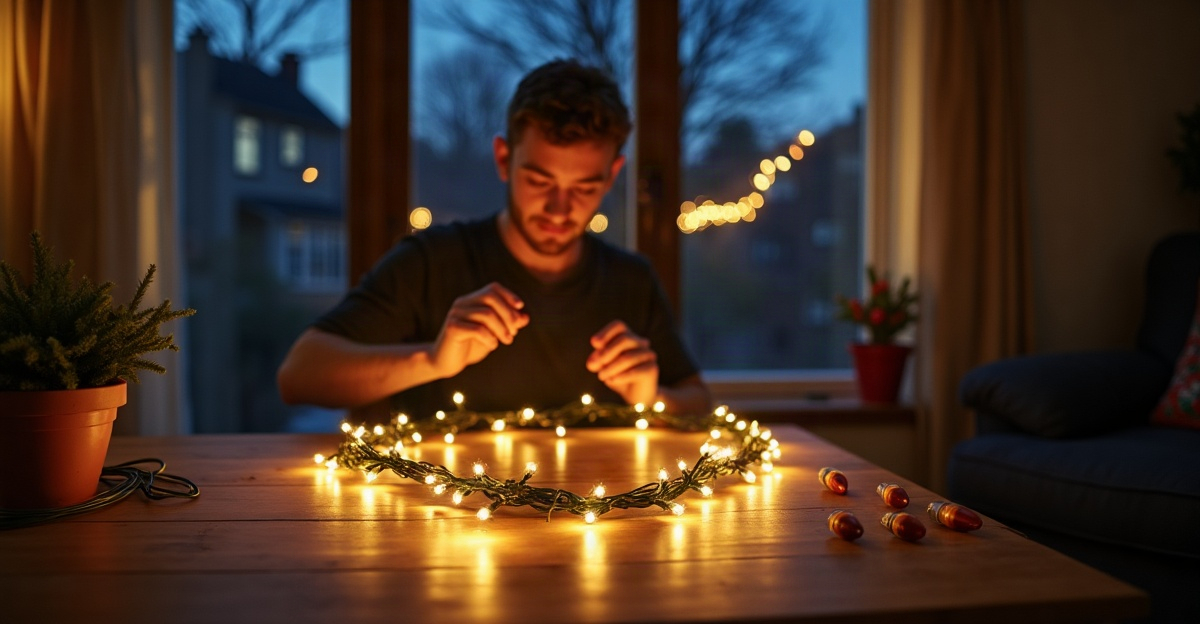
Comparing LED and incandescent Christmas lights involves more than purchase price. Energy use, heat output, brightness, and durability all affect seasonal display costs and performance. LEDs usually cost less to operate and last longer. Incandescent lights create a naturally warm, traditional glow. We may prefer them for smaller or short-term displays.
Key Takeaways
- LED lights usually cost more upfront but use far less electricity. We recommend them for large displays or long nightly schedules.
- Incandescent lights cost less to buy but run hotter and use more power. They also often need more bulb or fuse replacements.
- Brightness depends on bulb design, spacing, lens style, and color temperature. It doesn’t depend solely on whether we use LED or incandescent lights.
- Warm-white, diffused, filament-style LED lights can create a softer look. They closely match classic incandescent holiday lighting.
- We should choose outdoor-rated products and inspect all wiring and connections before use. Timers help us limit unnecessary operating time.
Quick Comparison: Which Christmas Light Type Is Best for Your Display?
LED Christmas lights are usually the better choice for lower energy use, cooler operation, and longer service life. Incandescent holiday lights can still suit displays where a traditional warm glow matters most, where compatible sets are already on hand, or where lights run only for short periods.
At-a-glance comparison:
| Feature | LED Christmas Lights | Incandescent Christmas Lights |
|---|---|---|
| Upfront purchase cost | Often higher | Often lower |
| Typical energy use | Lower | Higher |
| Sample seasonal electricity cost | Usually lower for equal display size and run time | Usually higher for equal display size and run time |
| Heat output | Generally cooler | Generally hotter |
| Lifespan and durability | Usually longer-lasting, though wiring and controllers can fail | Bulbs may burn out more often |
| Brightness and appearance | Varies by lens, color temperature, spacing, and quality | Naturally warm, soft, and nostalgic |
| Indoor use | Good for low-heat décor and long operating hours | Best for short-term displays with adequate clearance |
| Outdoor use | Strong option when outdoor-rated | Must be outdoor-rated and carefully maintained |
| Maintenance | Check connections, controllers, and wiring | Expect more bulb and fuse checks |
| Best use case | Larger displays, outdoor displays, and energy-conscious setups | Small displays and classic visual effects |
No single option fits every home. The best choice depends on display size, holiday budget, preferred appearance, installation location, and daily operating time. For most larger installations, the LED Christmas light benefits are clear: lower consumption, cooler bulbs, and less frequent replacement.
For year-round exterior displays, we also recommend reviewing permanent versus temporary lighting before investing in seasonal strands each year.
Are LED Christmas Lights Cheaper to Run? Upfront Price vs Total Cost
LED strings can cost more at purchase, but lower wattage often reduces electricity costs over a season. That difference becomes more meaningful with larger displays or schedules that run several hours each night.
Watts measure how much power lights use at a given time. Kilowatt-hours, or kWh, measure total energy use over time and are the unit electricity providers use for billing.
A useful operating-cost formula is:
(Total watts ÷ 1,000) × hours used × electricity rate = operating cost
Here is a transparent example using 10 light strings, six hours of use each day, 30 days of seasonal use, and an electricity rate of $0.15 per kWh. Local utility rates vary.
If 10 illustrative LED strings use 5 watts each, the total load is 50 watts:
(50 ÷ 1,000) × 180 hours × $0.15 = $1.35 for the season
If 10 illustrative incandescent strings use 40 watts each, the total load is 400 watts:
(400 ÷ 1,000) × 180 hours × $0.15 = $10.80 for the season
These examples show why energy-efficient holiday lights can reduce operating costs. Actual results depend on each product’s listed wattage, the number of strings, local electricity rates, and daily run time. We recommend checking the package rating rather than assuming every LED or incandescent set has identical power use.
Purchase price is only part of ownership cost. We should also consider replacement bulbs, blown fuses, damaged wiring, failed controllers, and the possibility that a single fault makes an entire string unusable. A timer or smart plug can further reduce unnecessary run time. For a broader look at exterior energy use, see permanent outdoor lighting electricity use.
Brightness, Color, and the Traditional Christmas-Light Look
The brightness of LED Christmas lights does not automatically exceed incandescent lighting. Bulb count, bulb spacing, lens shape, diffuser style, LED quality, and product construction all affect the final appearance.
Incandescent holiday lights naturally create a warm, soft glow. Many homes prefer this traditional incandescent glow because it feels familiar and gentle rather than sharply defined.
Warm-white LEDs vary widely. Color temperature describes whether white light appears warmer and yellower or cooler and bluer. A warmer listed color temperature generally produces a look closer to classic incandescent bulbs, while a cooler setting can appear blue or harsh.
For LED efficiency with a vintage-inspired appearance, we recommend filament-style LEDs, faceted lenses, or diffused bulbs. These products soften the visible point of light and can reduce the stark effect sometimes associated with lower-quality LED sets.
Before buying, compare product photos cautiously. Photos may be edited or photographed in different conditions. Check the listed color temperature, bulb style, socket spacing, and customer feedback where available. These details matter more than the label alone.
Heat, Safety, and Indoor vs Outdoor Use
Incandescent bulbs run hotter than LEDs. That makes them less suitable near dry greenery, fabric, or areas that children and pets can reach. LEDs generally operate cooler, but cooler operation does not make any light string risk-free.
Every set needs inspection before installation. We should look for cracked sockets, frayed wires, damaged plugs, split insulation, loose bulbs, and signs of moisture exposure. Replace damaged sets rather than relying on improvised repairs.
Indoor displays often prioritize visual warmth, compatibility with dimmers where supported, and lower heat near decorations. Outdoor installations should prioritize weather rating, wire quality, protected connections, durability, and lower energy use during longer schedules.
For outdoor displays, use lights, cords, timers, and connections rated for outdoor use. Never assume an indoor-rated product is safe outside. Use weather-protected exterior receptacles and appropriate ground-fault protection where required. Follow the manufacturer’s limits for end-to-end connections and electrical load. Exterior connections need protection from moisture, and extension cords must match the intended use.
For outdoor installations that remain in place beyond the holiday season, LED outdoor lighting efficiency can help us plan operating schedules and long-term energy use.
Lifespan, Durability, and Maintenance Expectations
LEDs generally last longer than incandescent bulbs, but the full string may not last as long as the individual light source. Outdoor exposure, moisture intrusion, poor wiring, improper storage, and failed controllers can shorten the usable life of either product.
Incandescent strings may require more frequent bulb replacement. A burned-out bulb, failed fuse, or damaged wire can interrupt a section or disable the set. LED strings often reduce bulb-replacement needs, yet LEDs, drivers, controllers, wiring, and connections can still fail.
A longer LED rating does not mean a string will last indefinitely. Severe weather and careless storage can damage even high-quality products. We recommend inspecting lights before installation and after storage, keeping plugs dry, and storing strands loosely in a clean, dry location. Avoid crushing wires or tightly knotting strings.
For realistic expectations about long-term exterior products, review permanent smart light lifespan and outdoor LED fading.
How to Choose Between LED and Incandescent Holiday Lights
Choose LED lights for large displays, outdoor installations, lower electricity use, cooler operation, and a greater likelihood of use across multiple seasons. Consider incandescent lights when a specific classic effect is the highest priority, the display is small, operating hours are limited, or matching replacement bulbs are already available.
Warm-white or vintage-style LED sets offer a practical middle ground. They can provide the softer look many homes want while retaining LED efficiency.
Timers and smart plugs make seasonal lighting easier to manage. They can schedule on and off times and prevent lights from running longer than needed. However, adding a smart plug does not make a standard string smart. LED describes the light source. App control, dimming, color changes, automation, and timers depend on the product or connected control system.
Do LED Christmas lights really save money?
They can, especially on larger displays or longer schedules, because they often use less electricity. Savings vary by wattage, rate, and operating time.
Are LED Christmas lights brighter than incandescent lights?
Not necessarily. Brightness depends on product design and bulb count, not only light-source type.
Why do some LEDs look blue or harsh?
Cooler color temperatures, exposed point-source LEDs, lens design, and lower-quality construction can create that appearance.
Do LED Christmas lights last longer?
They generally do, but wiring, controllers, and moisture damage can still end a string’s usable life.
Are incandescent lights safe for a tree?
They require extra care because they run hotter. Keep them away from dry materials and follow product instructions.
Can LED and incandescent lights be used together?
They can be used in the same display if each product is rated and connected according to its instructions. Avoid mixing strings in one end-to-end chain unless the manufacturer permits it.
Are all LED Christmas lights smart lights?
No. Smart functions require compatible built-in controls or an external control system.
What LED color looks most like incandescent?
Warm-white, vintage-style, diffused, and filament-style products usually provide the closest effect.
Planning a more convenient seasonal lighting setup? Explore options that help schedule displays, simplify operation, and avoid leaving lights on longer than needed. We can also compare permanent Christmas light costs when deciding whether a long-term installation makes sense.
Last updated: November 19, 2026. Reviewed by the Big Pig Smart Lighting team for practical lighting guidance and seasonal installation considerations.