Do Permanent Lights Attract Bugs? What Homeowners Should Know
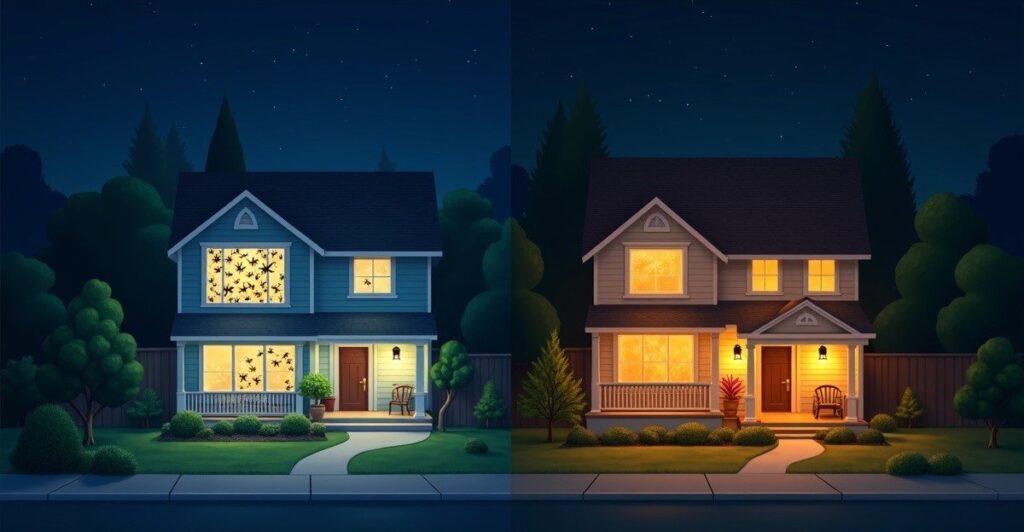
Do permanent lights attract bugs? Yes, permanent outdoor lights can attract bugs. However, modern LED lights may attract fewer bugs than older bulbs. LEDs give off little heat and very little UV light. Warm or amber colors may also attract fewer insects. Big Pig Smart Lighting offers permanent LED lighting for outdoor spaces. Our smart lighting gives you control over colors and settings for different needs.
Why Do Lights Attract Bugs?
Many people ask, do lights attract bugs, and the simple answer is yes. Many insects move toward artificial light after dark. Light color, brightness, and type can affect this behavior. This also explains why people ask do permanent lights attract bugs when planning outdoor lighting. However, not all lights attract insects in the same way.
Light Can Affect How Bugs Navigate
Some insects use natural light to help them move at night. The moon and stars can act as guides. Artificial light can disrupt these natural cues. As a result, insects may fly toward a porch, wall, or roof light. This helps explain do lights attract bugs at night around homes. Good placement can help limit unwanted light around key outdoor areas.
Some Bugs See Light Differently
Bugs do not see light the same way people do. Many insects can detect short wavelengths very well. These include blue and ultraviolet light. This is important when asking do LED lights attract bugs. The answer can depend on the LED color and light spectrum. Warm colors may be less noticeable to many insects than cool, blue-rich colors.
Brightness Can Make a Difference
Bright lights can be easier for insects to notice from farther away. Still, brightness is only one factor. Color, placement, and the type of insect also matter. When homeowners ask do outdoor lights attract bugs, our professional team can explain how thoughtful lighting choices may help. Our permanent outdoor lighting solutions offer flexible options for different needs. Contact us to learn more about our service area.
Do LED Lights Attract Bugs?
Many homeowners ask, do LED lights attract bugs? Yes, LED lights can attract some bugs. However, one LED may attract more insects than another. Color, brightness, heat, and placement can all play a part. This is also why questions like do permanent lights attract bugs do not have one answer. The way you set up and use the lights matters.
People also ask do lights attract bugs when choosing lights for a home or business. LEDs come in many colors and brightness levels. Some give off cool, blue-rich light. Others give off softer, warm light. These differences can affect how insects respond.
LED Lights vs. Traditional Bulbs
LED lights work differently from older incandescent and fluorescent bulbs. Incandescent bulbs can give off more heat. Some older lighting can also produce more ultraviolet light. Both may affect how certain insects respond to a light source.
Still, the word “LED” does not mean a light will never attract bugs. Color, brightness, and placement still matter. This is useful to know when planning residential outdoor lighting or commercial outdoor lighting. When people ask do outdoor lights attract bugs, the type of bulb is only one part of the answer.
Cool LEDs vs. Warm LEDs
Cool LEDs often have more blue-rich light. Many insects can see these shorter wavelengths well. As a result, cool white or blue-toned LEDs may attract more insects than warmer options. Warm white, yellow, and amber LEDs use longer wavelengths. Many insects do not respond as strongly to these colors. This can make warm lighting a useful choice for patios, doors, and other outdoor spaces.
The same idea helps answer do lights attract bugs at night. Light color can play a role after dark. However, brightness, location, and local insect activity matter too. Choosing the right LED can help reduce attraction, but no outdoor light can promise a bug-free space.
What Light Colors Attract the Most Bugs?
Light color can affect how many insects gather near a light. Different colors have different wavelengths. Many insects notice shorter wavelengths more easily than longer ones. This is why blue, violet, cool white, and UV-rich light may attract more bugs.
This difference also matters when people ask, do permanent lights attract bugs? The answer depends in part on the colors used. Warm white, yellow, and amber lights may attract fewer insects than cool, blue-rich light. However, no light color can keep every bug away.
Blue and Cool White Light
Blue and cool white lights use shorter wavelengths. Many insects can see these wavelengths well. This can make the light easier for them to notice after dark. Cool white and daylight LEDs often contain more blue light than warm options. When homeowners ask do lights attract bugs at night, color is one factor to consider. Brightness, location, and the type of insect also affect how bugs respond.
Warm White Light
Warm white light has less blue light than many cool white options. Its softer tone can work well around patios, rooflines, walkways, and entry areas. It can provide useful light without the harsh look of some cooler colors. People asking do outdoor lights attract bugs should know that warm white may attract fewer insects. Still, results can vary based on the setting and local insects.
Yellow and Amber Light
Yellow and amber lights use longer wavelengths than blue-rich lights. Many insects do not notice these wavelengths as strongly. Because of this, yellow and amber options may attract fewer bugs around outdoor spaces. They can also work well for outdoor holiday lights when a warmer color fits the display. However, these colors do not repel insects. Some bugs may still gather near the light.
Red Light
Red light also uses longer wavelengths than blue light. Some insects may be less sensitive to red tones. This can make red less attractive to certain bugs. Still, red lighting is not a pest-control tool. It cannot guarantee fewer bugs in every outdoor space.
What Color Outdoor Light Attracts the Fewest Bugs?
Yellow and amber outdoor lights often attract the fewest bugs. Warm white is also a good option for many outdoor spaces. These colors use longer wavelengths than blue or cool white light. Many insects do not notice these warmer colors as well.
This is useful when homeowners ask, do permanent lights attract bugs? The color you choose can affect how many insects gather near the light. The same rule applies when asking do LED lights attract bugs. LEDs come in many colors, so one LED may attract more bugs than another.
| Light Color | General Bug Attraction | Common Outdoor Use |
| Blue or cool white | Higher | Security and task lighting |
| Neutral white | Moderate | General lighting |
| Warm white | Lower | Homes, patios, and entries |
| Yellow or amber | Often lower | Bug-conscious outdoor areas |
Warm white can work well when you want a soft look around your home. Yellow and amber may be useful when reducing bug attraction is a main concern. These colors can also work with under eave lighting when the lighting system supports them.
People who ask do lights attract bugs should also consider more than color. The type of insect can affect the result. Brightness, placement, local weather, and nearby plants or water can also play a role. No outdoor light color can promise a bug-free space. Choosing warmer colors may simply make the light less attractive to many insects.
Do Outdoor Lights Attract Bugs?
Yes, outdoor lights can attract bugs. However, the number of insects around a light can vary. Light color, brightness, placement, and direction all play a part. Local weather, plants, and water can also affect insect activity. When people ask do outdoor lights attract bugs, it helps to look at the whole lighting setup instead of the bulb alone.
This also matters when asking do permanent lights attract bugs. A well-planned permanent system can focus light where it is useful and reduce extra light spread.
Porch and Entry Lights
Porch lights sit close to doors and windows. Bugs that gather around these lights may also stay near an entrance. Bright or cool-toned lights can be easier for some insects to notice. Warmer colors and careful placement may help reduce attraction. This is important when choosing lights for an entry that stays lit for long periods after dark.
Patio and Deck Lights
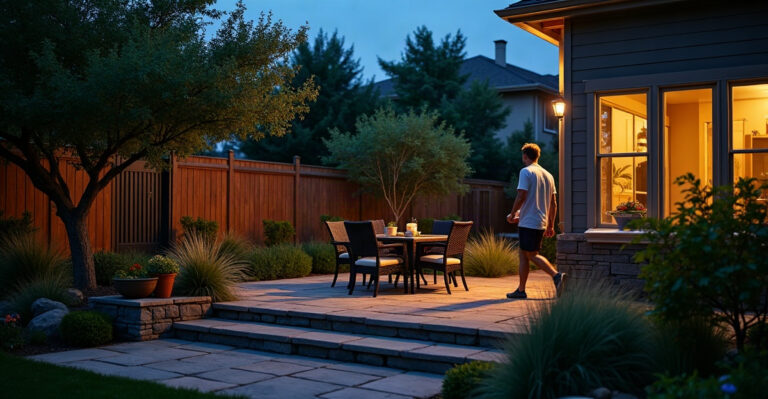
Patios and decks are common places for outdoor lighting. Bright lights placed beside tables or chairs may draw insects closer to people. When homeowners ask do lights attract bugs at night, placement and brightness are important factors. Softer lighting placed away from main seating areas can provide useful light while limiting unnecessary brightness around gathering spaces.
Landscape and Accent Lights
Landscape lights can highlight paths, walls, plants, and other outdoor features. Focused or downward-facing fixtures can direct light where it is needed. This helps reduce light spread across the yard. The same idea can apply to outdoor security lighting when careful placement is possible. Good lighting design cannot stop all bugs, but it can help limit conditions that may attract them.
Do Lights Attract Bugs at Night?
Many homeowners ask, do lights attract bugs at night? Yes, some lights can attract insects after dark. Many bugs become more active at night. Artificial light also stands out against a dark yard. This can make a bright light easier for insects to notice. However, light is not the only thing that affects bug activity. Color, brightness, heat, plants, water, and people can also play a role.
Why Bugs Gather Around Lights at Night
Some night insects use natural light to help them move. The moon and stars may help guide them. Artificial light can affect this process. As a result, some insects may fly toward a porch, patio, roofline, or other bright area.
Brightness can also make a difference. A strong light may be visible from farther away. Color matters as well. Blue and cool white lights use shorter wavelengths that many insects can see well. Warm white, yellow, and amber lights may be less attractive to some insects.
This helps explain do lights attract bugs around outdoor spaces. Still, insects do not all behave the same way. Some gather near lights. Others respond more to food, water, plants, or heat.
What About Permanent Outdoor Lights?
Homeowners may also ask do permanent lights attract bugs when planning a lighting system. The fact that lights stay installed does not make them more attractive to insects. Their color, brightness, location, direction, and run time matter more. For example, softer outdoor mood lighting can provide useful light without making every outdoor area very bright. Warm colors may also attract fewer insects than cool, blue-rich colors.
Do LED Lights Attract Mosquitoes?
When people ask do LED lights attract bugs, mosquitoes often cause the most concern. LED lights can attract some insects. However, mosquitoes respond to much more than light. Mosquitoes can find people through the carbon dioxide we breathe out. Body heat and human scent can also attract them. Moisture and standing water matter because they can provide places for mosquitoes to breed.
Light color may affect how many insects gather around a fixture. Warm white or amber LEDs may attract fewer insects than blue-rich light. However, these colors do not act as mosquito control. Changing outdoor lighting alone will not solve a mosquito problem. Good color, brightness, and placement choices may reduce insect activity near a light. They cannot remove other factors that bring mosquitoes into an outdoor space.
How Do Brightness and Light Placement Affect Bug Attraction?
Brightness and placement can change how insects respond to outdoor lights. A bright light can be seen across a larger area. Placement can also affect where bugs gather. These factors matter when homeowners ask do permanent lights attract bugs. The lighting setup often matters more than the fact that the lights stay installed.
Brighter Lights Can Be Easier to Notice
A very bright outdoor light can stand out against a dark space. This may make it easier for some insects to notice from farther away. When people ask do lights attract bugs at night, brightness is one factor to consider. However, color, wavelength, weather, and insect type also matter. More light does not always mean a better outdoor setup.
Use the Brightness You Need
Outdoor areas need enough light for safe and useful visibility. However, every space may not need maximum brightness. Walkways, entrances, and work areas may need different light levels. If a permanent lighting system supports dimming, homeowners can adjust the light for different uses. The goal is useful lighting without adding more brightness than the space needs.
Keep Light Focused
Focused lighting directs light toward the area where it serves a purpose. It can light a path, wall, roofline, or outdoor feature without spreading as much light across the whole yard. When considering do outdoor lights attract bugs, light direction can be just as important as the type of fixture.
Think About Doors and Windows
Very bright lights beside doors and windows may cause insects to gather close to entrances. Careful placement can help move strong light away from these areas where practical. Homeowners should still keep entrances bright enough for safe use. The goal is to balance clear visibility with thoughtful light placement.
Consider Outdoor Seating Areas
Patios and seating areas often need comfortable light rather than strong floodlighting. When possible, brighter fixtures can sit farther from tables and chairs. Softer or focused lighting can then provide light near gathering areas. Property projects, including lighting or gutter installation, should also consider how exterior features work together around the roofline.
Reduce Unneeded Light Spill
Light spill happens when a fixture sends light beyond the area that needs it. Focused fixtures can help limit this extra glow. Directing light toward paths, walls, and other useful areas can create a cleaner setup. Smart placement cannot stop every insect, but it may help reduce unnecessary light that bugs can notice.
How Can You Reduce Bugs Around Outdoor Lights?
A few simple lighting choices may help reduce the number of insects around outdoor lights. Homeowners who ask do permanent lights attract bugs should focus on color, brightness, direction, and placement. No lighting setup can remove every bug. However, thoughtful choices can make outdoor spaces more comfortable after dark.
Choose Warmer Light Colors
Warm white and amber lights may attract fewer insects than cool, blue-rich lights. Many insects notice shorter blue wavelengths more easily. This is useful when people ask do LED lights attract bugs. LEDs come in many colors, so choosing a warmer tone can make a difference. Pick a color that also gives your space enough clear light.
Avoid More Brightness Than You Need
More brightness is not always better. Very bright lights can stand out across a larger area. Use enough light for safe paths, doors, and outdoor tasks without making the whole yard too bright. When people ask do lights attract bugs, brightness is one factor that can affect how visible a fixture is to insects.
Direct Lights Where You Need Them
Focus light on the places that need it. Downward-facing or well-placed lights can brighten paths, walls, and outdoor features without sending light in every direction. This approach can also reduce unwanted light across the yard. Good direction keeps the space useful while limiting extra light that may attract insects.
Use Smart Controls
Smart controls give homeowners more ways to manage outdoor lighting. When supported by the system, dimming can lower brightness when full light is not needed. Schedules can control when lights turn on and off. Zones and app controls can also help manage different parts of a property. These features can add flexibility to permanent outdoor lighting in Phoenix.
Keep Lights Away From Key Gathering Areas
Think about where people spend time outside. Very bright lights beside patios, tables, doors, and windows may bring insects closer to these areas. When practical, place stronger lighting farther from seating spaces. Use softer or focused light nearby. These steps cannot eliminate insects, but they can help create a more thoughtful outdoor lighting setup.
What Should Homeowners Look for in Permanent Outdoor Lighting?
Homeowners should look for permanent outdoor lighting that is easy to control and fits the property. Color, brightness, placement, and outdoor use all matter. These features are also worth checking when asking do permanent lights attract bugs. A flexible system lets homeowners change their lighting based on how they use each outdoor space.
Flexible Colors and Brightness
Adjustable colors give homeowners more choices for daily use, events, and special displays. Brightness controls can also help set the right amount of light for each space. This matters when people ask do lights attract bugs at night, since both color and brightness can affect how noticeable a light is to some insects.
Smart Lighting Controls
Lighting zones, schedules, and simple app controls can make permanent lights easier to manage. Homeowners can adjust different areas based on their needs. They can also change when lights run or how bright they appear. These controls help create a more flexible outdoor lighting setup.
Focused Outdoor Placement
Good placement puts light where people need it. Rooflines, paths, entrances, and outdoor living areas may have different lighting needs. Homeowners wondering do outdoor lights attract bugs should consider placement along with color and brightness. Focused lighting can also help reduce extra light spread.
Professional Outdoor Installation
Permanent lighting must work outside through changing weather and temperatures. Professional installation can help place the system correctly and create a clean setup around the home. Homeowners should also learn how permanent outdoor lights handle heat when choosing a system for a hot climate. The right setup should combine outdoor suitability, simple controls, useful lighting, and features that match the home’s needs.
Ready to Make Your Outdoor Lighting Work Smarter?
Still wondering do permanent lights attract bugs and which lighting setup fits your property? Big Pig Smart Lighting can help you explore permanent outdoor lighting with flexible colors, brightness controls, and smart features. Create a setup that fits your home, outdoor space, and lighting needs. Contact us to learn more about your permanent lighting options.
Frequently Asked Questions
Yes, permanent lights can attract some bugs. However, the amount of insect activity depends on the light color, brightness, placement, and type. Warm white or amber LED lights may attract fewer insects than cool, blue-rich lights. Permanent installation itself does not make a light more attractive to bugs.
LED lights may attract fewer insects than some traditional bulbs, but the results depend on the LED. Warm LEDs tend to attract fewer bugs than cool or blue-rich LEDs. LEDs also produce less heat than incandescent bulbs. Still, no outdoor LED light can guarantee a bug-free area.
Yellow and amber lights often attract fewer bugs because many insects are less sensitive to longer wavelengths. Warm white LEDs can also be a good choice for outdoor spaces. Blue, violet, and cool white lights tend to be more noticeable to many insects.
Artificial lights can stand out against the dark sky. Some night insects also use natural light to help them move. Artificial light may affect this behavior and cause insects to gather near a fixture. Light color, brightness, location, and the type of insect can all affect the result.
Smart controls can help manage how outdoor lights are used. Depending on the system, homeowners may adjust colors, brightness, schedules, or lighting zones. Using warmer colors and only the brightness you need may help reduce insect attraction. However, lighting changes alone cannot remove or control every outdoor bug.