Common Gutter Problems Homeowners Face
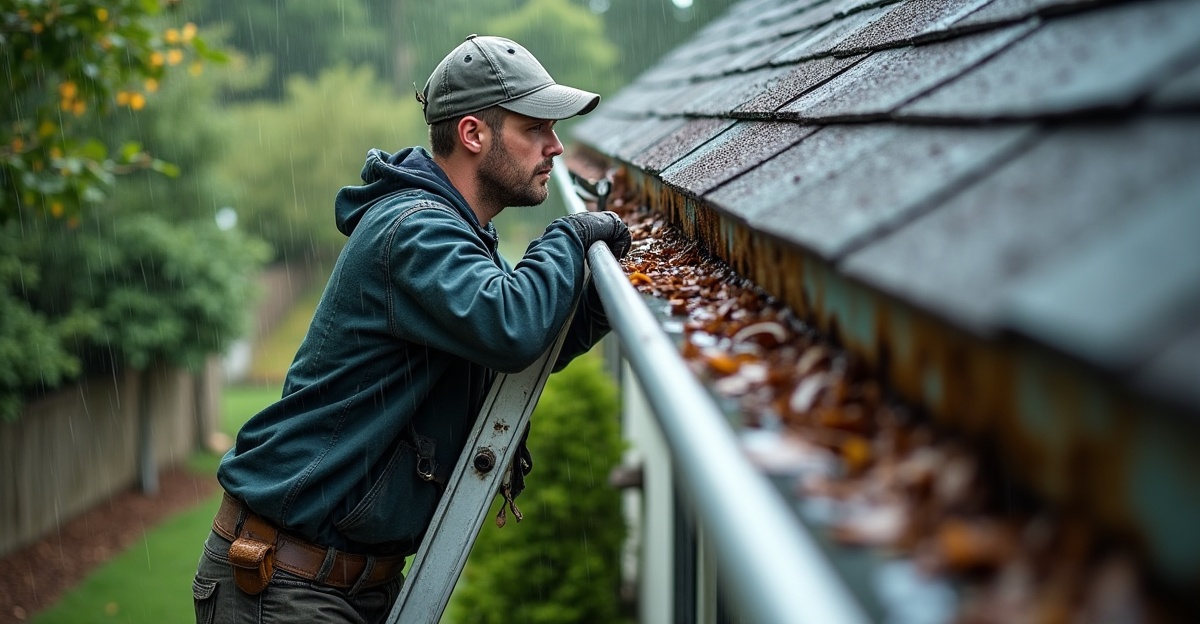
Gutter issues, including clogs, leaks, sagging sections, and incorrect slope, can stop roof runoff from reaching downspouts and draining safely away from the house. Unresolved drainage problems can damage fascia, siding, landscaping, basements, and foundation areas. Heavy rain and freeze-thaw cycles can worsen these risks.
Key Takeaways
- Clogged gutters and blocked downspouts often cause overflow. However, undersized gutters, incorrect pitch, or too few downspouts can also overwhelm the drainage system.
- Leaks at seams, corners, end caps, and fastener holes can stain siding, rot trim, cause moisture damage, and create water pools near the foundation.
- Sagging gutters, loose brackets, standing water, and gaps along the fascia can signal failing hardware, incorrect slope, or damaged roof-edge materials.
- Downspouts should carry water away from the house. Proper drainage helps limit erosion, displaced mulch, basement moisture, and potential foundation leaks.
- Seasonal inspections, safe debris removal, and prompt professional repairs for recurring leaks, severe sagging, rust, or overflow help prevent larger drainage problems.
What Are the Most Common Gutter Problems?
Most gutter systems deal with water, wind, debris, temperature changes, and constant exposure to outdoor conditions. Over time, these factors can affect how well the system moves water away from the home.
Some gutter problems develop slowly, while others become obvious during a heavy storm. Homeowners should pay attention to overflowing water, visible leaks, sagging sections, peeling paint, and standing water.
The following issues are among the most common problems found in residential gutter systems.
Clogged Gutters and Downspouts
Clogs are one of the most common gutter problems homeowners experience. Leaves, twigs, roofing granules, dirt, seeds, and other debris can collect inside the gutter channel.
As debris builds up, rainwater has less room to move toward the downspouts. Water may begin spilling over the front or back edge of the gutter.
A clogged downspout can create a similar problem. Water may fill the gutter even when the horizontal sections appear relatively clean.
Common signs of clogged gutters include:
- Water spilling over the gutter edge
- Plants or weeds growing from gutters
- Standing water after rain
- Water draining slowly from downspouts
- Debris visible near downspout openings
- Dark stains around gutter sections
Routine cleaning can reduce the risk of blockages. However, persistent overflow after cleaning may indicate another drainage problem.
Leaking Gutters
Gutters may develop leaks at seams, corners, joints, end caps, or around fasteners. Small cracks and holes can also form as materials age.
A minor leak may appear harmless, but repeated water exposure can affect siding, fascia boards, landscaping, and areas around the foundation.
Homeowners may notice dripping water during storms or stains directly beneath gutter joints.
Some leaks can be repaired with appropriate sealing methods. However, widespread leaks may indicate that the system has reached the end of its useful condition.
Seamless systems can reduce the number of joints along long gutter runs. Homeowners considering an upgrade can learn more about professional gutter installation options.
Sagging Gutters
Gutters should remain securely attached along the roofline. When sections begin to sag, they may no longer carry water toward the downspouts properly.
Sagging can result from:
- Loose or damaged hangers
- Excess debris weight
- Standing water
- Snow or ice accumulation
- Deteriorated fascia
- Improper installation
- Aging hardware
A sagging section can create a low point where water collects. That added weight may cause the gutter to pull even farther away from the home.
Severe sagging should not be ignored. The problem may involve more than the gutter itself, especially if the fascia behind it has become soft or damaged.
Incorrect Gutter Slope
Gutters may look level from the ground, but they usually need a slight pitch toward the downspout.
When the slope is too flat, water may remain inside the gutter. When the slope runs in the wrong direction, water can move away from the intended downspout.
Standing water caused by poor slope can contribute to several gutter problems, including:
- Corrosion
- Leaks
- Debris buildup
- Mosquito activity
- Extra weight
- Sagging
Correcting gutter pitch usually requires adjusting the hangers or repositioning sections of the system.
Gutters Pulling Away From the House
A visible gap between the gutter and fascia is a warning sign.
Fasteners may loosen over time, particularly when gutters repeatedly carry heavy debris, standing water, snow, or ice.
The fascia itself may also be damaged. If the wood has softened because of moisture or rot, gutter hardware may no longer have a strong surface to hold onto.
Gutters that pull away can allow water to run behind the system instead of entering it. This may expose roof-edge materials, fascia, and siding to unnecessary moisture.
Water Overflowing During Heavy Rain
Overflow does not always mean the gutters are dirty.
A clean gutter can still overflow if it is too small for the roof area or if the home does not have enough downspouts.
Possible causes include:
- Clogged gutters
- Blocked downspouts
- Incorrect gutter pitch
- Undersized gutters
- Too few downspouts
- Poor downspout placement
- Heavy roof runoff concentrated in one area
Watch the gutters during a rainstorm from a safe location. The point where water begins to overflow can help identify where the drainage problem starts.
Rust and Corrosion
Metal gutter systems can develop rust or corrosion as they age.
Small rust spots may eventually grow into holes that allow water to leak onto siding, trim, or the ground below.
Standing water can make corrosion worse because moisture remains in contact with the gutter material for longer periods.
Look for:
- Orange or brown stains
- Flaking metal
- Small holes
- Weak gutter sections
- Repeated leaks in the same area
A small isolated area may be repairable. Extensive corrosion across several sections often indicates that replacement should be considered.
Cracks, Holes, and Damaged Sections
Cracks and holes can form because of age, impact, corrosion, or repeated temperature changes.
Water can escape through even a small opening during heavy rainfall. Over time, that water may stain exterior surfaces or soak the soil beside the home.
Freeze-thaw cycles can sometimes make existing damage worse. Water enters a small opening, freezes, expands, and may increase the size of the damaged area.
Homeowners should check damaged sections before the problem spreads.
Loose or Missing Gutter Hangers
Hangers and brackets support the weight of the gutter system.
If they loosen, bend, or break, the gutter may begin pulling away from the fascia or sagging between support points.
Loose hardware can happen because of:
- Heavy debris
- Standing water
- Ice
- Strong weather
- Age
- Incorrect fastener spacing
- Deteriorated fascia
Replacing one loose hanger may be straightforward. Several failing hangers can point to a larger structural or drainage problem.
Downspouts Draining Too Close to the Foundation
Getting water into the downspout is only part of the drainage process. Water should then move a safe distance away from the house.
A downspout that releases water directly beside the foundation may contribute to:
- Soil erosion
- Washed-out mulch
- Standing water
- Basement moisture
- Damp crawl spaces
- Foundation-area leaks
Downspout extensions or another suitable drainage solution may help move water farther away.
The best approach depends on the property, grading, soil conditions, and available drainage paths.
Water Running Behind the Gutters
Water should flow from the roof into the gutter channel. If it runs behind the gutter instead, moisture may reach the fascia and roof edge.
Possible causes include improper gutter positioning, damaged flashing, loose gutters, or problems with the drip edge.
Signs may include:
- Water stains on fascia
- Peeling paint
- Soft wood
- Water dripping behind the gutter
- Dark streaks under the roof edge
Because water running behind gutters can involve both the gutter system and roofing components, professional inspection may be helpful.
Gutter Seams Separating
Sectional gutters contain joints where multiple pieces connect.
Those seams may weaken as the gutter system expands, contracts, and ages. Sealant may deteriorate, or sections may shift slightly.
A separated seam can release a significant amount of water during a storm.
Repeated seam failures are worth monitoring. If repairs become frequent, replacing older sectional gutters with a more reliable system may be more practical.
Ice Buildup in Gutters
Cold weather can create additional gutter problems when water freezes inside the system.
Ice adds substantial weight. Heavy buildup may strain hangers, pull gutters away from fascia, or contribute to sagging.
Frozen debris can also block drainage when temperatures begin changing.
Homeowners should avoid striking or forcefully removing ice from gutters because this can damage the gutter, roof edge, or surrounding materials.
Recurring winter issues may require an inspection of the gutter system and other contributing conditions around the roof.
Why Gutter Problems Should Not Be Ignored
Gutters have a simple job: collect roof runoff and move it away from the structure.
When that process fails, water may reach areas that were not designed for repeated exposure.
Unresolved gutter problems may contribute to:
- Fascia deterioration
- Siding stains
- Wood rot
- Landscape erosion
- Damaged flower beds
- Water pooling near the house
- Basement or crawl space moisture
- Foundation-area water problems
Not every gutter issue leads to major damage. However, correcting drainage problems early is usually easier than addressing water damage after it develops.
How to Check Your Gutters for Problems
Homeowners can perform a basic visual inspection from the ground.
Walk around the property and look for obvious changes along the roofline.
Check for:
- Sagging gutter sections
- Gutters pulling away
- Missing or loose brackets
- Visible rust
- Cracks or holes
- Plants growing from gutters
- Staining on siding
- Eroded soil below downspouts
- Water marks near the foundation
After rainfall, look for standing water, overflow, unusual dripping, or downspouts that are not releasing water properly.
Avoid climbing onto the roof or using an unstable ladder. Hard-to-reach problems are safer for trained professionals to inspect.
Can Gutter Problems Be Repaired?
Many gutter problems can be repaired when damage is limited to a small area.
Possible repairs may include:
- Clearing clogs
- Replacing loose hangers
- Resealing a leaking joint
- Adjusting gutter pitch
- Repairing an end cap
- Reconnecting a downspout
- Replacing a damaged section
Repair may make sense when most of the gutter system remains in good condition.
Replacement may be more practical when several sections are damaged or when the same problems keep returning.
When Should Gutters Be Replaced?
There is no single sign that always means gutters must be replaced. The overall condition of the system matters.
Replacement may be worth considering when you notice:
- Extensive rust or corrosion
- Multiple cracks or holes
- Severe sagging
- Frequent seam leaks
- Gutters repeatedly pulling away
- Widespread damaged hardware
- Recurring overflow despite cleaning
- Multiple previous repairs
- Sections that no longer drain correctly
A professional can determine whether targeted repairs are enough or whether a new gutter system would provide a more dependable solution.
How to Help Prevent Common Gutter Problems
Routine maintenance can help reduce many common gutter problems.
Start with regular visual checks, especially after strong storms or periods of heavy leaf fall.
Keep gutters and downspouts clear so water has an open drainage path. Watch for changes in pitch, loose brackets, leaks, and standing water.
You should also check where each downspout releases water. Water should flow away from the home instead of collecting beside the foundation.
Addressing small issues early can prevent repeated overflow and reduce stress on the gutter system.
Get Help With Persistent Gutter Problems
Some gutter problems are easy to spot but harder to correct properly. Repeated leaks, sagging sections, overflow, damaged fascia, or poor drainage may require professional attention.
Big Pig can assess your existing gutter system and help determine whether repair or replacement is appropriate for your property.
If your gutters are no longer controlling roof runoff effectively, contact us to discuss your gutter problems and available solutions.
Frequently Asked Questions About Gutter Problems
What is the most common gutter problem?
Clogging is one of the most common gutter problems. Leaves, dirt, roofing granules, and other debris can block water from reaching the downspouts.
Why do my gutters overflow even after cleaning?
Clean gutters can still overflow because of incorrect slope, blocked downspouts, undersized gutters, or too few downspouts for the amount of roof runoff.
Why is water standing in my gutters?
Standing water often indicates poor gutter pitch, a blockage, or a sagging section. Water should normally move toward a downspout instead of remaining in the gutter.
Can leaking gutters damage my home?
Yes. Repeated leaks can expose fascia, siding, landscaping, basement areas, and soil near the foundation to excessive moisture.
Should I repair or replace damaged gutters?
Minor isolated damage may be repairable. Replacement may make more sense when gutter problems are widespread, repairs are frequent, or the system no longer drains water reliably.