
How to Know When It’s Time for New Gutters?
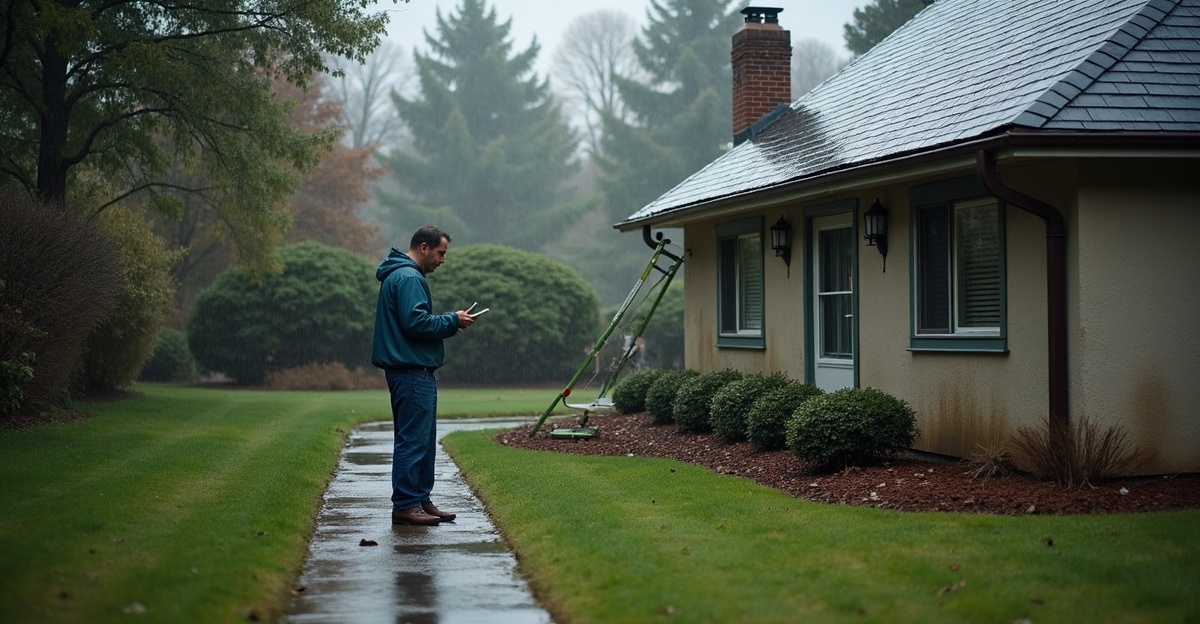
Key signs that we need new gutters include severe sagging, separation from the roofline, extensive corrosion, recurring leaks, and overflow that persists after cleaning. These issues can let water damage our fascia, siding, landscaping, foundations, and basements. Failed drainage no longer moves rainwater safely away from our home.
Key Takeaways
- Gutters that sag, pull away from the roofline, or detach need prompt professional service.
- Persistent overflow can result from clogs, incorrect gutter pitch, undersized gutters, or damaged sections.
- We can often repair small, isolated leaks, holes, and loose hangers. Widespread damage and frequent repairs usually warrant replacement.
- Standing water near our foundation, damp basement walls, eroded landscaping, and stained siding can signal gutter drainage failure.
- We can inspect gutters from the ground after heavy rain to spot drainage problems. Severe damage, moisture near the roof edge, and structural concerns require a professional evaluation.
Signs You Need New Gutters: Urgent Warning Signs and Water-Damage Risks
Severely sagging gutters, sections pulling away from the roofline, or gutters detaching from the structure require prompt attention. Water pouring behind a gutter instead of into it can soak the fascia, the board directly behind the gutter at the roof edge, and allow moisture to reach the roof structure.
Other signs you need new gutters may appear lower on the home. Pooling water near the foundation, damp basement walls, musty odors, mold concerns, washed-out landscaping, and cracked or shifting walkways can all point to poor roof drainage. Peeling paint, stained siding, damaged soffit areas, and roof-edge moisture also deserve close attention. The soffit is the finished underside of a roof overhang.
Water damage depends on how much water escapes, where it drains, and how long the problem continues. Waiting can contribute to fascia rot, siding damage, landscape erosion, foundation moisture, and basement leaks. Recurring water intrusion, suspected fascia or roof damage, and gutters separating from the home often warrant a professional evaluation without delay.
A sound gutter system protects far more than the roof edge. Our gutter installation services help direct rainwater away from vulnerable areas before smaller drainage problems become expensive repairs.
The Most Common Signs of Damaged Gutters
Damaged gutters often show clear visual or performance-related warning signs. Frequent overflow during ordinary rainfall is one of the most common. Water may also leak from seams, joints, corners, or holes. Seams are the connection points between gutter sections, and they can weaken over time as sealant fails or metal shifts.
Watch for rust, corrosion, cracks, splits, and holes. Rust on a small isolated spot may be repairable, but widespread corrosion usually means the material has lost strength. Sagging sections, loose hangers, and gutters pulling away from the roofline also need attention. Hangers are the brackets that secure the gutter to the roofline.
Poor drainage can create similar symptoms. Gutter pitch is the slight slope that moves water toward a downspout. If water stands in the channel or flows away from the downspout, the pitch may be incorrect. A system can also overflow because it is too small for the roof area and local rainfall intensity.
Stained siding, peeling exterior paint, and water marks beneath the roofline often confirm that water has escaped the gutter system. Repeated repairs are another important signal. A single repaired seam may be normal, but several recurring leaks, failing hangers, and repeated alignment corrections can indicate that replacement is the better long-term choice.
Age alone does not decide whether gutters need replacement. Lifespan varies by material, climate, maintenance history, installation quality, nearby trees, storm exposure, and drainage conditions. A well-installed older system may still work properly, while a newer poorly pitched system may already create water-management problems.
Overflowing Gutters: When Cleaning or Drainage Corrections May Solve the Problem
Overflowing gutters do not automatically mean replacement is necessary. Leaves, twigs, roof grit, and other debris can block the gutter channel or downspout. Water then spills over the front edge, backs up behind the gutter, or leaks through joints under pressure.
Gutter guards can reduce debris buildup in certain conditions, but they still need occasional inspection and maintenance. Fine debris, seed pods, roof granules, and material resting on top of guards can still restrict water flow.
After rain, safely observe the system from the ground. Note whether water spills over the front edge, leaks at a joint, backs up behind the gutter, or fails to move through the downspout. Also check where the downspout releases water. Discharge that ends too close to the foundation can create standing water even if the gutters themselves are clear.
Overflow may point to a clog, poor downspout drainage, poor gutter pitch, an undersized system, or damaged gutters. Cleaning may resolve debris-related overflow. Correcting pitch, extending drainage, or upgrading the gutter size may solve more persistent performance issues. Full replacement makes sense when the system is extensively damaged, improperly sized, or repeatedly fails after repairs.
Roofline conditions also affect drainage performance during storms. For homes exposed to seasonal downpours, understanding monsoon weather conditions can help homeowners plan roof-edge improvements with the right materials and mounting approach.
Repair or Replacement? How to Tell the Difference
Minor, isolated issues can often be repaired. A loose hanger, small seam leak, or single hole may not justify replacing an entire system. Replacement becomes more likely when problems affect multiple sections, return after repairs, or involve structural damage around the roof edge.
| Symptom | Likely Cause | Whether Repair May Be Possible | When Replacement Is More Likely | Urgency Level |
|---|---|---|---|---|
| Loose hanger or one sagging section | Failed or loose brackets, local weight stress | Yes. Securing or replacing hangers may correct a limited area. | Multiple sagging sections, repeated pulling away, or damaged gutter runs suggest a wider system issue. | Moderate; high if detaching |
| Minor seam leak | Aging sealant or movement at a joint | Yes. Resealing may stop an isolated leak. | Leaks that return across several seams or joints often make replacement more practical. | Moderate |
| Small isolated hole | Localized corrosion or impact damage | Yes. A patch may work if surrounding material remains sound. | Widespread rust, corrosion, cracks, splits, or multiple holes usually require replacement. | Moderate |
| Clogged gutter or downspout | Leaves, twigs, roof debris, or blocked drainage | Yes. Cleaning may restore normal water flow. | Replacement may be needed if the system is badly pitched, undersized, or extensively damaged. | Low to moderate |
| Localized fascia damage | Water bypassing the gutter or leaking behind it | Yes. Limited repairs may work after correcting the water problem. | Extensive fascia or roof-edge damage caused by gutter failure often calls for replacement and related repairs. | High |
| Repeated repairs | Ongoing leaks, corrosion, sagging, or alignment problems | Temporary fixes may help in isolated cases. | Replacement is often more cost-effective when the same failures continue returning. | Moderate to high |
Material selection should be based on climate, budget, roof design, durability goals, appearance, and maintenance preferences. No single gutter material is the best option for every home. The right system must fit the roofline and handle expected rainfall effectively.
A Safe Ground-Level Gutter Inspection Checklist
A ground-level inspection can reveal many warning signs without unsafe ladder use. Check gutters after heavy rain and periodically throughout the year, especially where trees, wind, or storms add debris to the system.
What to Look for From the Ground
Use this quick inspection guide:
- Watch whether water flows smoothly through gutters and into downspouts after rain.
- Check whether downspouts direct water away from the foundation.
- Look for sagging, visible gaps, loose hangers, detached sections, and dripping at seams or corners.
- Inspect for rust, corrosion, cracks, splits, holes, and peeling paint.
- Look for stained siding, damaged fascia or soffit, soil erosion, landscape washout, and worn walkways.
- Note standing water near the foundation, basement dampness, musty odors, or mold concerns.
- Track repeated leaks or repairs, especially after normal rainfall.
Do not inspect high or difficult-to-reach gutters from a ladder without the right equipment and safety knowledge. Roofline work can involve hidden rot, unstable footing, electrical hazards, and unsupported gutter sections. Professional help is the right choice for severe damage, structural concerns, or water intrusion that may be concealed behind siding, fascia, or roofing materials.
For homes with roof-mounted exterior features, it also helps to understand roofline lighting safety before adding or adjusting hardware near gutters and fascia.
When to Call a Gutter Professional and Questions Homeowners Often Ask
Schedule a professional gutter inspection or estimate when several warning signs occur at once. Call promptly for repeated leaks, extensive corrosion, water near the foundation, recurring basement moisture, severe sagging, detached gutter sections, suspected fascia damage, or roof-edge moisture problems.
Professional assessment is particularly important for high rooflines, any work that requires unsafe ladder or roof access, systems with poor pitch, and gutters that may be undersized for the roof and rainfall conditions. A qualified inspection can separate a cleaning issue from a repair need or full replacement. We provide support across our service area for homeowners who need clear answers and dependable drainage solutions.
Can Sagging Gutters Be Repaired, or Do They Need Replacement?
A single loose hanger or limited sagging may be repairable. Multiple sagging sections or gutters that repeatedly pull away often point to broader replacement needs.
How Do We Know Whether Overflowing Gutters Are Clogged or Damaged?
Check for debris, blocked downspouts, poor discharge placement, and buildup on gutter guards first. Overflow that continues after cleaning may indicate pitch, sizing, or damage problems.
Is Rust on Gutters a Sign Replacement Is Needed?
Small isolated rust may be repairable. Widespread corrosion, holes, or recurring leaks commonly mean replacement is more likely.
How Often Should Gutters Be Inspected?
Ground-level checks after heavy rain and periodic inspections throughout the year work well. More frequent checks make sense near trees or after storms and seasonal debris buildup.
Can Damaged Gutters Cause Foundation Problems?
Poor water control can contribute to standing water and foundation moisture over time. The risk depends on drainage conditions, soil, water volume, and how long the issue remains unresolved.
Should Gutters Be Replaced With a Roof Replacement?
Roofing work is a practical time to inspect gutter condition, sizing, and fascia health. Still, replacement should be based on the system’s actual condition rather than timing alone. For an expert assessment of recurring drainage concerns, contact our team to discuss the next steps.