Signs It’s Time to Upgrade Your Outdoor Lighting
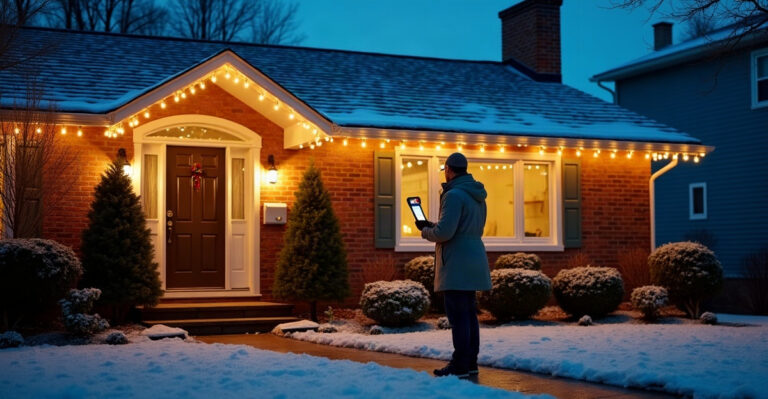
Poor visibility, repeated fixture failures, water damage, high energy use, and limited controls often signal a need to upgrade outdoor lighting, replace outdoor lights, or plan a lighting system upgrade. We assess whether problems affect one fixture or several areas. We also review existing wiring, fixture condition, property layout, safety requirements, and preferred controls before we recommend a solution.
Key Takeaways
- We can often repair isolated issues, including dirty lenses, failed bulbs, loose fittings, and basic timer faults.
- We recommend replacing individual fixtures when corrosion, cracked housings, water ingress, outdated bulbs, or repeated failures reduce performance.
- We suggest a full system upgrade when multiple areas have poor visibility, unreliable wiring, inefficient fixtures, inconsistent controls, or an outdated layout.
- We use shielded, accurately aimed lighting and separate zones to improve visibility while limiting glare, light spill, and neighbour disruption.
- Modern LED fixtures, timers, photocells, motion sensors, and smart controls reduce maintenance needs and give us more practical control of outdoor spaces.
Repair, Replace, or Plan a Lighting System Upgrade?
Outdoor lighting should make movement safer, entrances easier to use, and exterior spaces more enjoyable after dark. It should also improve visibility around access points, support curb appeal, and help us stay aware of activity around the property.
Age alone does not determine whether we should repair, replace outdoor lights, or plan a full lighting system upgrade. The right decision depends on fixture condition, property layout, lighting purpose, controls, wiring, and budget.
Maintenance is often enough when the problem is isolated. Dirty lenses, dead bulbs, loose fittings, poorly aimed fixtures, simple timer problems, or one worn component can usually be resolved without replacing the full system. Routine cleaning and adjustment may restore light output and improve coverage.
Individual fixture replacement makes sense when a fitting has corrosion, cracked housing, recurring water ingress, obsolete bulbs, frequent bulb failures, or poor weather resistance. A fixture also needs replacement if it no longer serves the area it was intended to illuminate. For example, an old wall light may remain functional but provide little useful visibility after a new gate, deck, or landscaping project changes the space.
A wider outdoor lighting upgrade plan is the better option when problems affect several areas. Multiple dark zones, inconsistent controls, inefficient older fixtures, unreliable wiring, poor layout, and no independent control by area all point to a system-level issue. Major renovations, extensions, and new outdoor living spaces also create a strong case for a professional residential outdoor lighting plan.
Permanent systems can offer a cleaner, more flexible alternative to seasonal fixtures. We can compare the benefits of permanent lighting before committing to a long-term installation.
When Poor Visibility Makes Outdoor Areas Unsafe or Unusable
Poor visibility is one of the clearest signs it is time to upgrade outdoor lighting. Pathways, stairs, entrances, driveways, decks, patios, gates, and side paths should remain easy to identify after dark. If we hesitate while walking through an area or cannot clearly see where visitors are approaching, the current lighting layout needs attention.
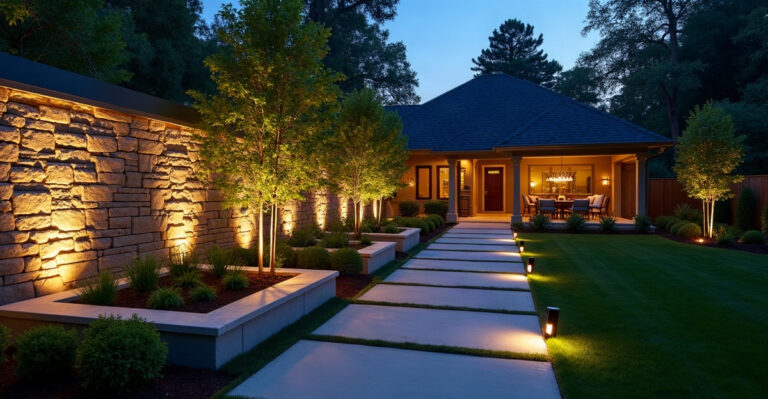
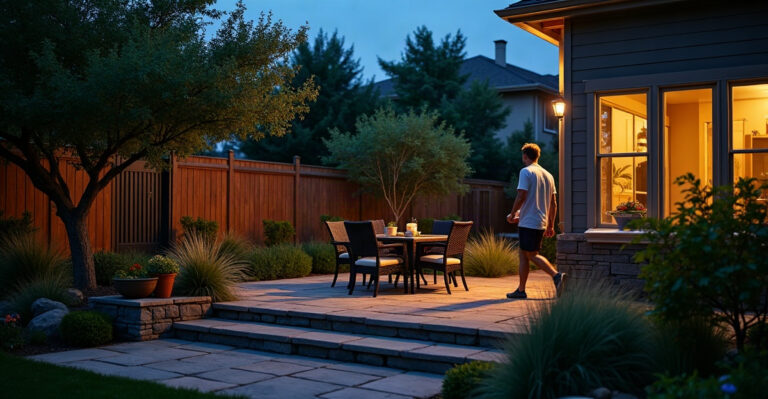
Each outdoor area needs lighting that suits its purpose. Paths and steps benefit from low-level guidance lighting. Entry lighting should help us identify locks, doorways, and visitors. Driveway lighting should guide vehicles and pedestrians without causing glare. Deck and patio lighting should create a comfortable atmosphere for outdoor use, while façade and landscape lighting can add depth and visual interest. Security lighting should improve awareness around key access areas without overpowering the property.
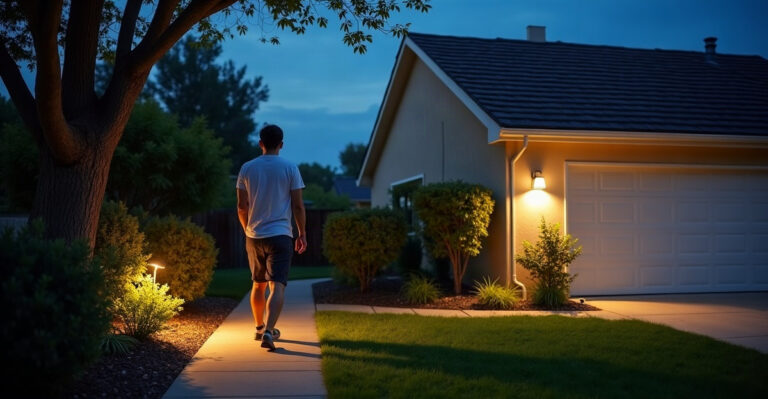
A dark side path is a useful example. Installing a powerful floodlight may create harsh shadows and uncomfortable glare. Better fixture placement and low-level path lights often provide safer movement with a more controlled result. This approach keeps the path visible while preserving comfort for neighbouring properties.
Uneven illumination also signals a weak design. Pools of intense light beside very dark areas can make it harder to judge distances and identify hazards. Lights may still operate, yet the property layout may have changed enough that their original positions no longer work. New landscaping, a patio expansion, a deck, gate, extension, or different outdoor routines can all make an older lighting arrangement ineffective.
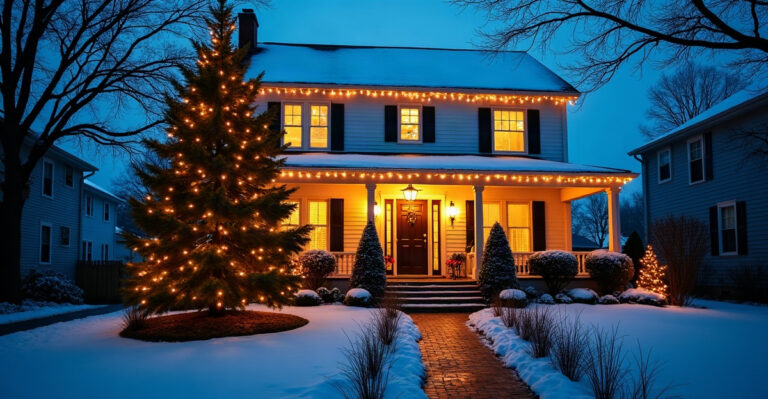
For roofline coverage that supports the current shape of the home, permanent roofline lighting can provide a polished, consistent result. We should also consider how permanent lighting improves safety through clearer visibility around exterior areas.
Frequent Failures, Water Damage, and Electrical Problems That Need Attention
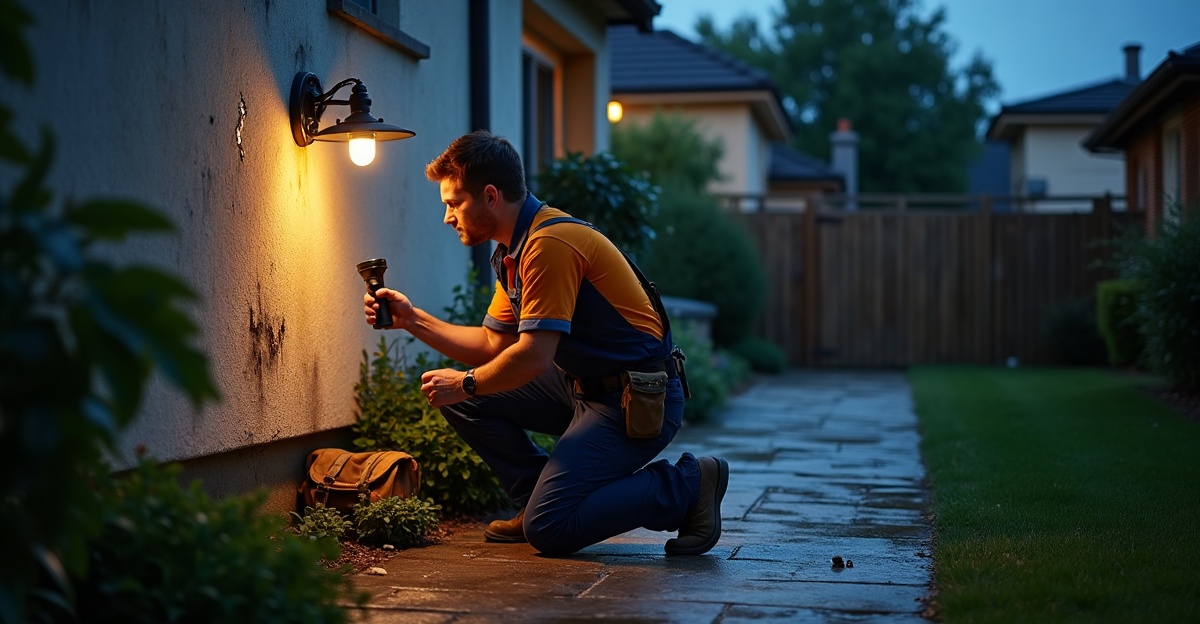
Frequent maintenance should never become normal. Flickering lights, recurring bulb failures, unreliable operation, faded finishes, rust, cracks, loose components, corrosion, and visible water damage can all indicate that it is time to replace outdoor lights or assess the wider installation.
Outdoor fixtures need appropriate protection from weather exposure. An IP rating tells us how well a fixture resists dust and water ingress. Higher protection may be needed for equipment exposed to driving rain, irrigation, snow, or ground-level moisture. We should select weather-rated equipment based on the fixture location and its level of exposure, then consult manufacturer documentation, electrical safety authorities, and applicable local building and electrical code resources for requirements.
Some warning signs require prompt professional attention. We should contact a qualified electrician or lighting professional if we notice exposed or damaged wiring, recurring breaker trips, water inside fittings, overheating, electrical shocks or tingling, or persistent failures. These issues can indicate a broader electrical fault and should not be managed through repeated bulb or fixture changes.
Many landscape-lighting systems use a transformer, which safely reduces voltage for the lighting circuit. Transformer faults, deteriorating cables, and unreliable connections can affect several fixtures at once. In these cases, a professional assessment is more useful than replacing fixtures one at a time.
A quality permanent light installation addresses fixture placement, weather exposure, electrical reliability, and long-term serviceability from the start. We should also understand what to look for in permanent lighting before selecting a replacement system.
Why Brighter Is Not Always Better
More brightness does not automatically produce better outdoor lighting. Glare can make stairs, walkways, and driveways harder to see. Light shining into windows can disrupt comfort indoors, while overspill may disturb neighbours and reduce the visual quality of the property.
Effective lighting design relies on placement, shielding, beam spread, aiming, colour temperature, layering, and zoning. Zoning means independently controlling groups of lights by location or purpose. A patio, for example, may need one zone for relaxed entertaining and a separate zone for security awareness. This setup gives us practical light when needed without leaving every fixture at full output.
Dark-sky-conscious choices also improve results. We should shield light downward, limit unnecessary upward spill, aim fixtures carefully, and avoid lighting beyond the area that needs it. These choices reduce glare and neighbour impact while placing light where it adds value.
Dated fixtures are another valid reason to consider an upgrade, although appearance should remain secondary to safety and performance. Exterior lighting should complement architecture, landscaping, and façade details without looking out of place. Carefully planned outdoor accent lighting can add definition to key features while keeping the overall scheme restrained.
For patios, decks, and gathering areas, outdoor mood lighting gives us more control over atmosphere than a single bright floodlight.
High Energy Use and Limited Controls Can Signal an Outdated System
Electricity use and maintenance costs may feel disproportionate when older fixtures run for long periods, use obsolete bulb types, or lack useful controls. An LED is an efficient, long-life lighting technology that can reduce routine lamp replacement and support more precise lighting layouts. Actual energy and maintenance results depend on fixture type, operating hours, controls, layout, local electricity costs, and installation design.
Modern systems give us meaningful control over how and when exterior lights operate. Timers can run lighting at set times. A photocell is a sensor that turns lights on or off according to daylight levels. A motion sensor activates lighting when movement is detected. Automation refers to programmed lighting behaviour, such as schedules or sensor-based operation.
Smart-home integration allows compatible lighting to connect with apps, voice assistants, or home-automation platforms. We can adjust schedules, create scenes, and manage zones without relying on a single manual switch. These features are especially useful for properties with separate entry, driveway, entertaining, and landscape areas.
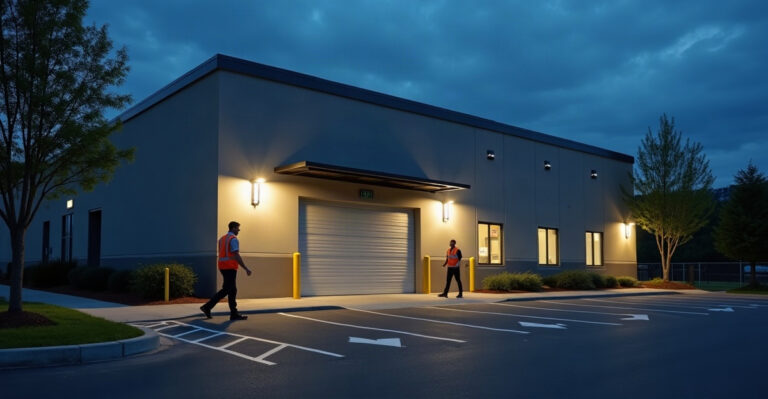
Motion-triggered lighting can improve visibility and security awareness around access points. It does not guarantee crime prevention, but it can help us notice activity and avoid leaving key areas dark. Purpose-built outdoor security lighting should provide controlled coverage rather than excessive brightness.
We can also review whether LED outdoor lights are energy efficient for the property’s current setup. Fixture quality matters as well, since LED lights can dim over time depending on their components, operating conditions, and expected service life.
What to Check Before Choosing an Outdoor Lighting Solution
A successful lighting system upgrade starts with clear priorities. We should identify the areas that need safer access, better visibility, improved entertaining use, stronger landscape presentation, driveway guidance, or greater awareness around entries and boundaries.
Outdoor Lighting Upgrade Checklist
Before selecting fixtures or controls, we should review the following points:
- Current wiring, power capacity, fixture condition, weather rating, and transformer requirements where relevant.
- Whether lamps, drivers, and other components can be serviced or replaced in the future.
- Preferred controls, including switches, timers, photocells, motion sensors, zoning, schedules, scenes, app access, voice control, and smart-home compatibility.
- Glare control, beam angle, colour temperature, shielding, neighbour impact, and local requirements.
- Potential future changes, such as new landscaping, decks, gates, extensions, or additional exterior living areas.
Common Questions Before Upgrading
To decide whether to repair or replace outdoor lights, we should consider whether the issue is isolated or recurring. A clean lens, failed lamp, or loose fitting often justifies a repair. Corrosion, water damage, outdated technology, and repeat failures usually support fixture replacement or a wider assessment.
LED upgrades are often worthwhile where older lamps consume significant energy or need frequent replacement. The best outdoor lighting for paths and steps is usually low-level, shielded lighting that provides even guidance without glare. Smart outdoor lights can work with an existing smart-home system if the products and control platform are compatible.
Professional installation may be required for new circuits, damaged wiring, transformer issues, code-sensitive work, or a complete system redesign. We can improve lighting without making it too bright by adding zones, selecting appropriate beam angles, shielding fixtures, and aiming light directly at the task area.
We should assess the current setup against this checklist before making changes. For a property-specific plan, we can contact a lighting professional to review lighting goals, site conditions, and the best path forward.