Outdoor Light Color Temperature: How to Choose the Right One?
We match outdoor light color temperature to each area’s purpose. We use warm 2200K–3000K lighting for patios and gardens. We choose neutral 3000K–4000K lighting for paths and driveways. Focused security zones can use 4000K–5000K light. Proper fixture shielding, aiming, brightness, and controls reduce glare and light spill.
Key Takeaways
- We measure light warmth or coolness in Kelvin. We measure brightness in lumens.
- We use warm white lighting in relaxing, decorative, and neighbor-sensitive areas, including porches, patios, gardens, and landscape features.
- We choose neutral white lighting for entryways, pathways, steps, driveways, and garage areas that require clear visibility.
- We reserve cooler light for focused, motion-activated security or task areas instead of lighting the full exterior.
- We use downward-facing, dimmable, and properly controlled fixtures to improve safety, limit glare, meet local requirements, and reduce unnecessary nighttime light.
Choose by Outdoor Area and Purpose
We choose outdoor light color temperature based on how each area needs to look and function after dark. The best color temperature for outdoor lighting changes between a relaxing patio, a busy driveway, and a motion-activated security zone.
Warmer light supports atmosphere and nighttime comfort. Neutral or cool light can improve perceived visibility for certain tasks, although too much cool light can look harsh and make a residential exterior feel uninviting.
| Outdoor area | Recommended color temperature | Primary goal |
|---|---|---|
| Patios, decks, porches, gardens, and decorative landscape lighting | Warm white, around 2200K–3000K | Comfort, character, and curb appeal |
| Entryways and front doors | Warm to neutral white, around 2700K–3500K | A welcoming, clear arrival area |
| Pathways, steps, driveways, and garage exteriors | Neutral white, around 3000K–4000K | Practical visibility and safe movement |
| Task-oriented work areas and motion-activated security lighting | Neutral to cool white, around 4000K–5000K | Short-term visibility, used with care |
| Homes near bedrooms, property lines, roads, or natural areas | Warm, low-glare, controlled lighting | Comfort and reduced spill light |
This outdoor lighting Kelvin guide gives us a reliable starting point, but fixture placement and output still matter. A properly aimed 3000K fixture often feels safer and looks better than an overly bright 5000K floodlight aimed across the yard. For a complete, coordinated approach, our residential outdoor lighting solutions can balance practical coverage with a polished nighttime appearance.
What Kelvin Ratings Mean: Warm, Neutral, and Cool Outdoor Light
Kelvin, shown as K, measures the apparent warmth or coolness of light. It does not measure brightness. Lumens measure light output, so a 5000K light is not automatically brighter than a 3000K light.
Warm white outdoor lighting, around 2200K–3000K, has a golden, inviting appearance. It suits areas where we want people to slow down, relax, dine, or enjoy the landscape. For many homes, 2700K is a familiar soft-white look, while 3000K is still warm but slightly cleaner and crisper.
Neutral white outdoor lighting, around 3500K–4000K, provides a balanced, clear appearance. It works well where residents walk, park, carry items, or complete occasional outdoor tasks. Cool white outdoor lighting at 5000K and above looks crisp and blue-white. It has a more utilitarian feel and is usually best reserved for focused task or security applications.
In a 2700K vs. 3000K vs. 4000K vs. 5000K outdoor lighting comparison, the difference is primarily visual character. Lower Kelvin creates warmth; higher Kelvin shifts the appearance cooler. We also need to manage glare, which is excessive or poorly directed light that makes comfortable viewing harder, often due to strong contrast or an exposed light source.
Match Color Temperature to Curb Appeal, Materials, and Outdoor Activities
Outdoor LED color temperature changes how siding, stonework, wood, paint, and plantings appear at night. The right choice should support the home’s architecture rather than compete with it.
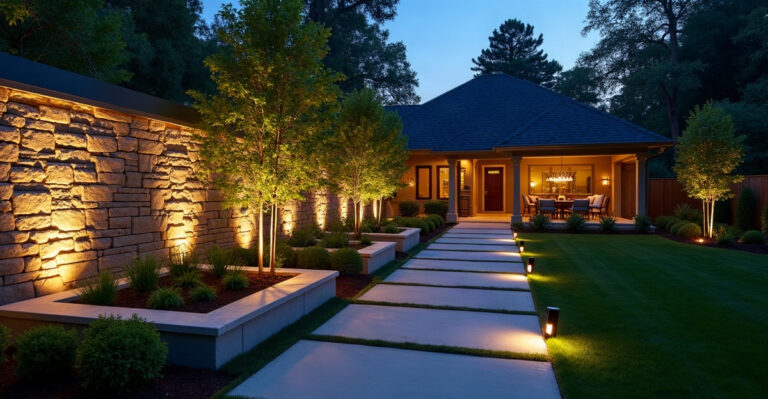
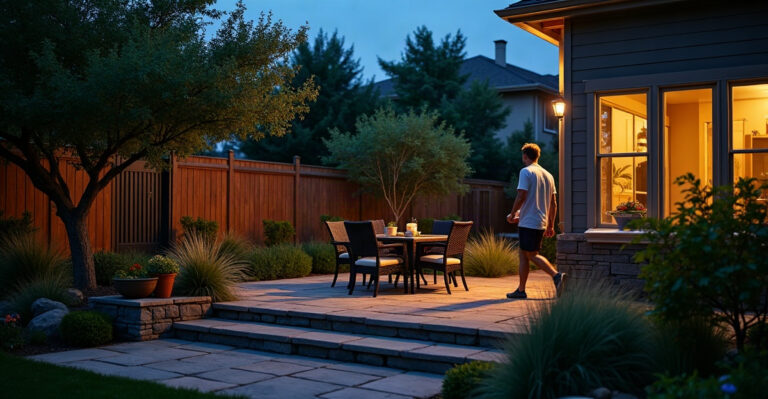
Warm white at around 2200K–3000K generally complements brick, natural wood, stone, warm paint colors, and traditional architecture. It is an excellent patio lighting color temperature for dining areas, string lights, seating zones, garden beds, and water features. Warm tones also help front porches feel welcoming without looking overly bright.
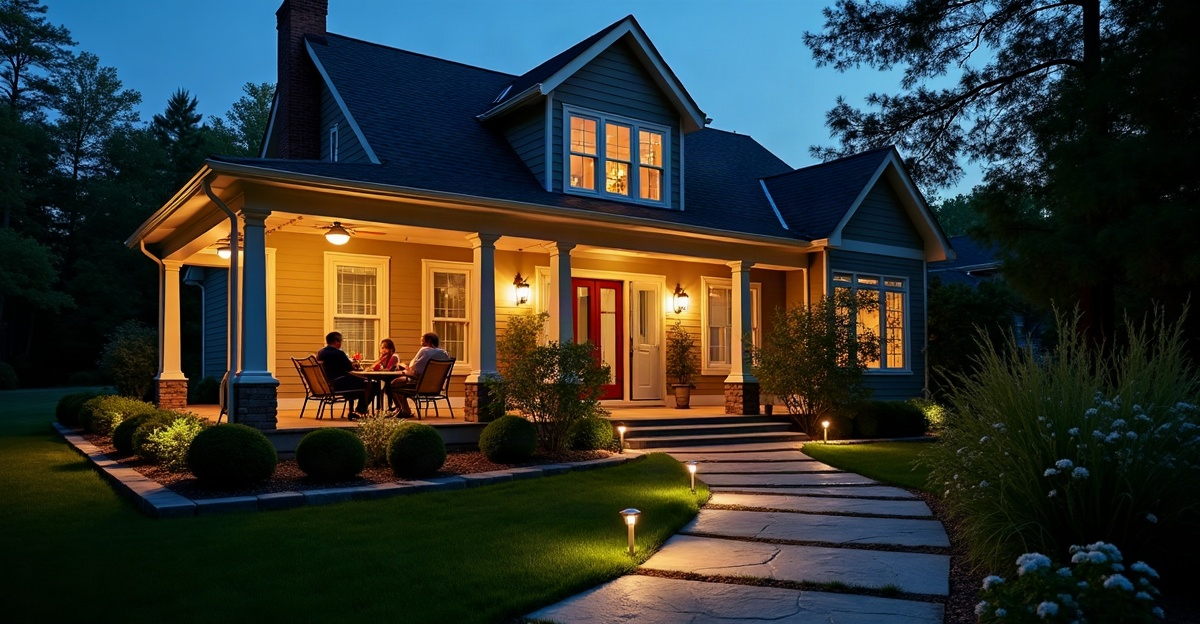
Neutral white around 3500K–4000K can fit modern exterior finishes, garages, side yards, pathways, and work areas. A driveway light color temperature in this range often provides useful clarity without the stark appearance of very cool lighting. For an entry, a front porch light color temperature between 2700K and 3500K usually creates the best balance between warmth and visibility.
Cool white at 5000K and above may fit commercial-style task areas or specific security locations. However, it can make patios, gardens, and welcoming entryways feel clinical. We recommend reserving it for areas with a clear functional reason.
We also consider CRI for outdoor lighting. CRI, or Color Rendering Index, indicates how accurately landscaping, architectural materials, signage, and exterior finishes appear under a light source. Kelvin establishes the color of the light; CRI affects how natural the illuminated colors look. Whenever possible, we recommend viewing a sample fixture at night. The same Kelvin rating can look very different against dark siding, pale stone, dense plantings, and existing ambient light. Our architectural smart lighting guidance can help us use these differences to draw attention to the right features.
Use Security Lighting That Improves Visibility Without Creating Glare
Outdoor security light color temperature matters, but Kelvin alone does not create effective security lighting. Cooler light can improve perceived visibility in some applications, yet excessive brightness, glare, poor aiming, and deep shadows can reduce safety instead of improving it.
The best Kelvin for security lighting is often around 4000K–5000K for focused, motion-activated areas. We use that range carefully and avoid applying it across an entire home exterior. Shielding, aiming, controls, and even coverage have a greater effect on usable visibility than a higher Kelvin rating by itself.
We recommend shielded outdoor light fixtures that direct light downward onto approaches, doors, gates, driveways, and trip hazards. Motion sensor outdoor lights should activate where activity occurs, rather than shine through windows or into neighboring properties. A very bright floodlight can create deep shadows beyond its beam, where obstacles or people become harder to see. Balanced coverage is usually more useful than simply increasing brightness.
Glare-free outdoor lighting supports clearer vision and a calmer exterior. Our outdoor security lighting approach prioritizes controlled illumination that supports outdoor lighting safety without overwhelming the property.
Consider Neighbors, Dark-Sky Practices, Wildlife, and Local Rules
Color temperature and fixture design affect more than our own property. Light trespass occurs when unwanted light spills onto neighboring properties, bedrooms, roads, or natural areas. It can disrupt sleep, distract drivers, and diminish the experience of outdoor spaces after dark.
Very cool, blue-rich lighting can be disruptive in some environments. For dark-sky outdoor lighting, wildlife-friendly outdoor lighting, and residential gathering areas, we favor warm white, lower-output, downward-directed fixtures. This approach can reduce outdoor light pollution while keeping patios, gardens, and walkways usable.
Fixtures that operate for long periods after dark deserve extra care. Low-glare, controlled lighting protects the atmosphere of a yard and limits unnecessary spill light. It also helps maintain a more comfortable view of the night sky.
Before installation, we check local ordinances and homeowners’ association rules. Requirements may govern fixture shielding, brightness, operating hours, and light spill. A thoughtful seasonal outdoor color plan can also keep decorative lighting attractive without leaving excessive lighting on overnight.
Plan a Flexible Outdoor Lighting Setup With Controls and the Right Specifications
To choose outdoor light color temperature with confidence, we first identify each area’s main purpose. Next, we choose the intended atmosphere, assess safety and task-visibility needs, consider nearby finishes, check local rules, and reduce glare and spill light.
We recommend consistent color temperatures across connected areas such as the entryway, pathway, and driveway. This creates a cohesive look and makes movement between spaces feel natural. Distinct zones can vary intentionally: a warm 2700K patio can sit comfortably beside a more neutral 3500K garage work area.
Smart outdoor lighting controls add scheduling, dimming, scene-setting, and motion-based automation. Conventional fixtures can also benefit from timers, dimmers, and properly selected bulbs. Dimmable outdoor LED lights let us keep an area welcoming while occupied, then reduce output or switch off lighting when it is no longer needed.
Energy-efficient outdoor lighting depends mainly on LED technology, fixture wattage, controls, usage patterns, and installation quality. Color temperature alone does not determine energy use. For relaxing zones, our outdoor mood lighting options create comfortable scenes while giving us practical control over operating hours and brightness.
A clear outdoor lighting design plan combines the best Kelvin for outdoor lights with appropriate output, quality fixtures, and thoughtful controls. With the right mix, we can create an exterior that looks inviting, supports safe movement, respects nearby homes, and performs well every night.