How to Choose a Lighting Style That Matches Your Home
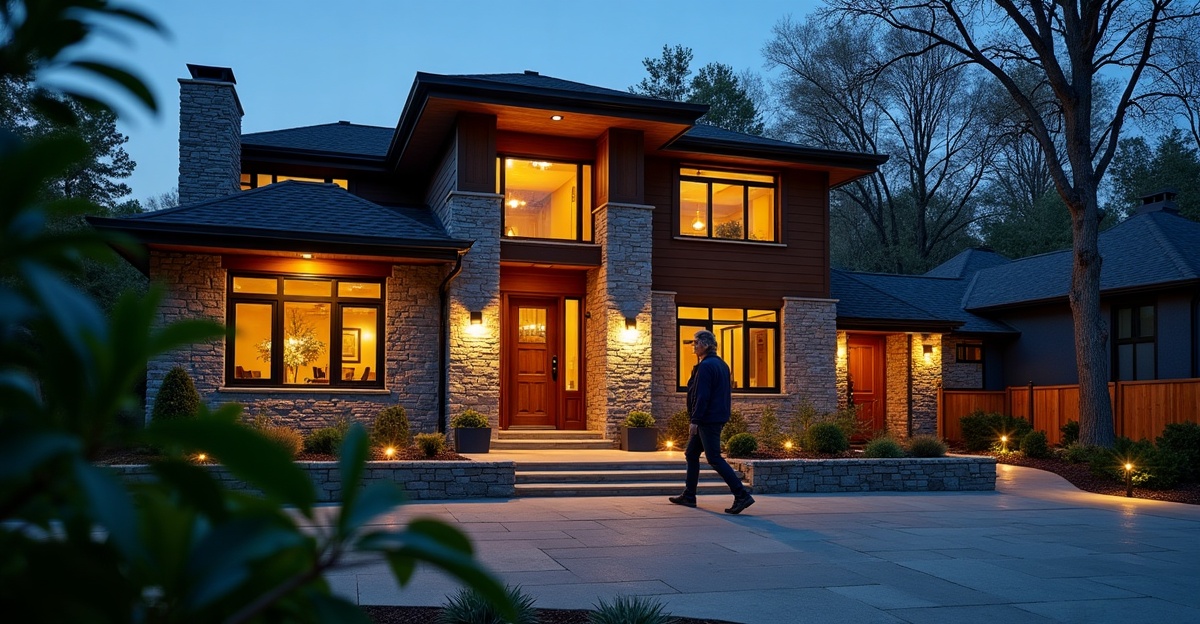
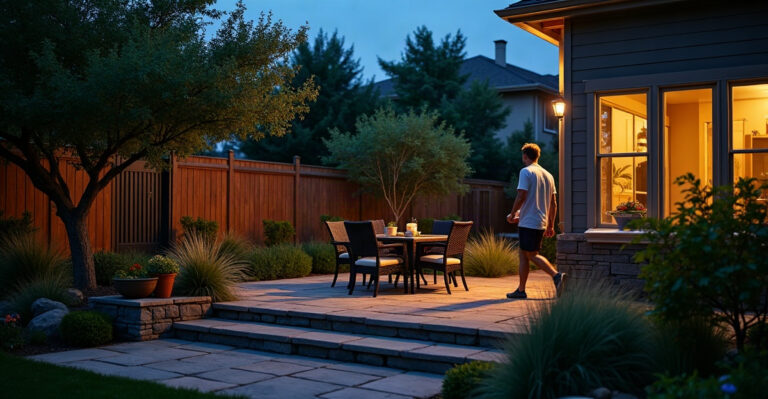
We choose exterior lighting styles based on more than fixture shapes. Scale, finishes, beam direction, brightness, and placement shape the result. We start with our architecture and exterior materials. Then, we plan lighting by zone. This approach creates visual cohesion, safer movement, comfort, and reliable daily use.
Key Takeaways
- We use our home’s architectural character, façade materials, landscaping, and proportions to select fixture shapes, finishes, and sizes.
- We divide the property into zones, including the entry, paths, driveway, patio, garden, and side access, before selecting fixtures.
- We combine ambient, task, accent, wayfinding, and security lighting only when each layer serves a clear purpose.
- We choose warm, shielded, accurately aimed light to improve comfort, reduce glare, and limit spill into neighbouring properties.
- We use smart controls, dimmers, schedules, and separate zones when they simplify management or reduce unnecessary energy use.
Choose Your Exterior Lighting Style in 6 Steps
Exterior lighting style includes far more than the appearance of a wall light or garden spike. It brings together fixture scale, finish, beam direction, brightness, colour temperature, placement, controls, and the way light interacts with the home and landscape.
A strong home design lighting plan balances visual cohesion, visibility, safety, wayfinding, atmosphere, durability, and practical installation needs. We shouldn’t choose exterior lighting styles based on fixture appearance or brightness alone.
- Identify the home’s architectural character and exterior materials. Look at rooflines, façade proportions, brick, stone, timber, render, metalwork, and landscaping.
- Divide the property into practical zones. The entry, driveway, paths, patio, garden, side access, and façade each serve different purposes after dark.
- Choose lighting layers for each zone. Decide where general ambience, focused task light, accents, wayfinding, or security-oriented visibility will add value.
- Select fixture forms, finishes, and scale that support the architecture. A fitting should relate to the size of the door, wall, ceiling, planting, or feature it serves.
- Set light quality carefully. Colour temperature, brightness, shielding, and beam direction shape comfort as much as fixture style.
- Add smart controls where they solve a clear problem. Schedules, dimming, and separate zones can make architectural lighting easier to use without adding unnecessary complexity.
For broader inspiration, our guide to modern outdoor lighting ideas shows how a coordinated plan can give a property a more considered after-dark appearance.
Match the Lighting Direction to Your Home’s Architecture
Most homes combine influences rather than fitting one strict category. A contemporary extension may sit beside a traditional brick façade, while a farmhouse may use cleaner modern landscaping. We should use architecture as a guide, then account for fixture scale, materials, entry layout, landscape design, weather exposure, and personal style.
| Architectural style | Suitable fixture characteristics | Finishes and light quality | Common pitfall |
|---|---|---|---|
| Modern or contemporary | Clean lines, simple forms, controlled beams, integrated lighting | Restrained finishes; warm or neutral white light with precise aiming | Assuming every modern home needs black wall sconces without considering façade material, scale, or landscape |
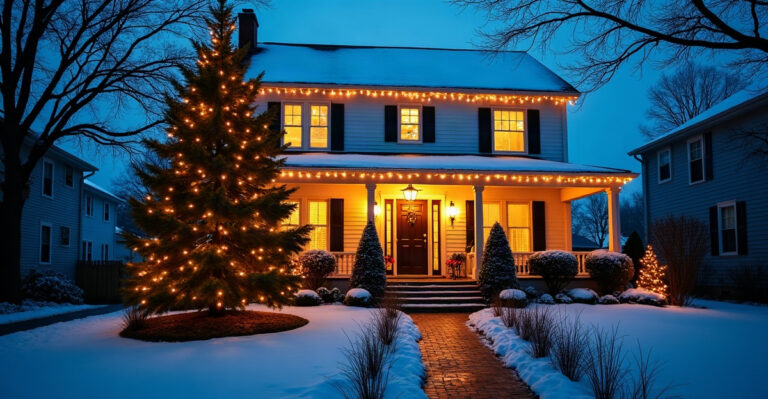
| Traditional | Lantern-inspired forms, symmetrical entry lighting, defined decorative details | Classic metal finishes and warmer light | Using bright, unshielded lanterns that cause glare instead of creating a welcoming entry |
| Farmhouse | Simple yet substantial fittings, functional entry lights, selective barn-style references | Warm, inviting illumination with durable finishes | Making every fixture decorative while paths, steps, and service areas remain poorly lit |
| Coastal | Understated forms built for exposed locations | Corrosion-resistant materials, durable finishes, warm light | Ignoring salt air, wind, rain, and finish durability |
| Transitional | Balanced forms that combine classic warmth and contemporary simplicity | Complementary metal finishes and warm, controlled light | Choosing fixtures that are overly ornate or overly stark |
A clean-lined rendered façade often benefits from controlled wall lighting or discreet under-eave fittings, rather than oversized decorative lanterns. Timber and stone entry materials usually look more inviting under warmer light. For an exposed coastal property, understated, weather-suitable fittings often provide the best long-term result.
Our minimalist outdoor lighting guide offers practical examples of simple fixture choices that still create strong architectural impact. Where the roofline is a defining feature, explore these roofline lighting ideas before selecting façade fixtures.
Plan Each Outdoor Zone and Layer Before Choosing Fixtures
Every area doesn’t need every lighting layer. Effective landscape lighting design places the right light where it is useful, rather than filling the property with fixtures.
Ambient lighting creates general illumination that makes outdoor areas feel usable and connected after dark. Task lighting supports activities such as unlocking a door, cooking outdoors, or using stairs. Accent lighting highlights architecture, trees, planting, walls, and feature landscaping. Wayfinding lighting helps people follow paths, steps, driveways, and access routes. Security-oriented lighting improves visibility around key access and service areas and can help a property appear occupied, without guaranteeing security or preventing crime.
A simple zone-planning diagram can guide fixture decisions:
| Property zone | Primary lighting role | Suitable approaches |
|---|---|---|
| Front entry and façade | Task, ambient, accent | Wall sconces, pendants, recessed downlights, controlled architectural lighting |
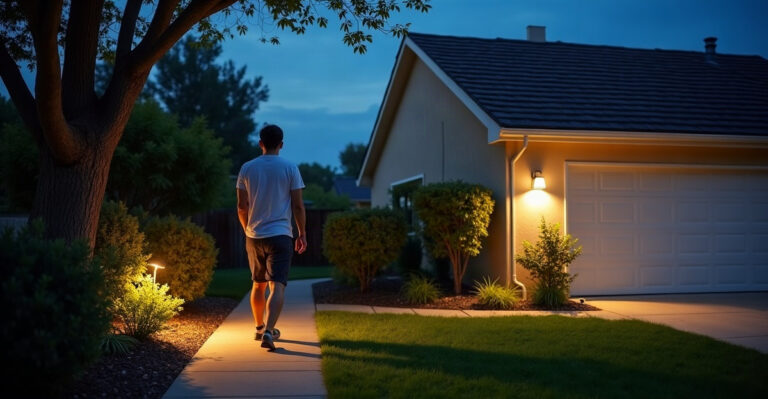
| Pathway and steps | Wayfinding | Path lights, bollards, recessed step lights, low-level downlighting |
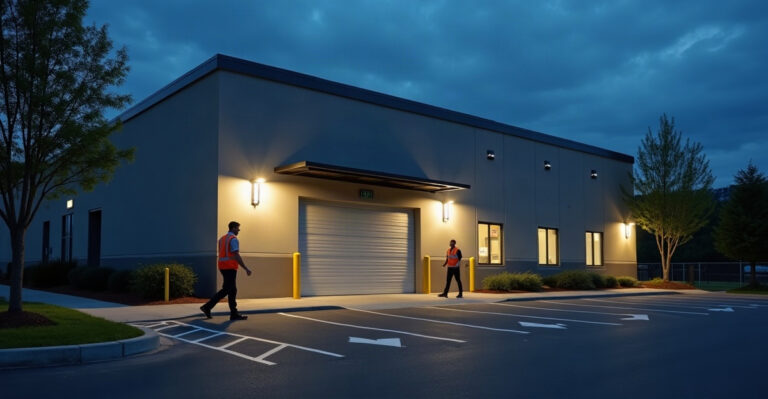
| Driveway and garage | Task, wayfinding, security-oriented | Wall lights, downlights, bollards, carefully aimed spotlights |
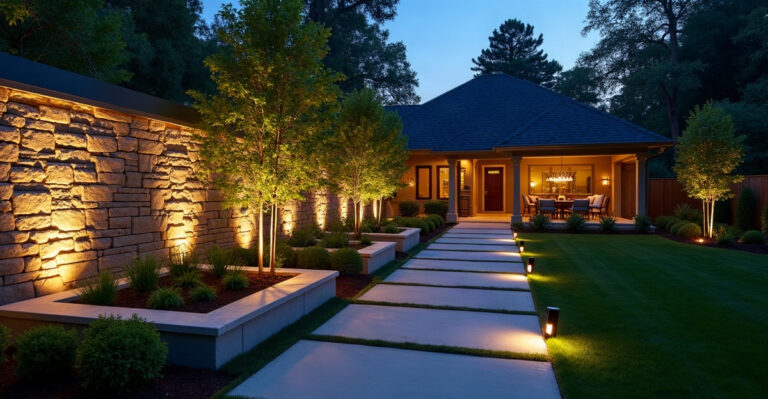
| Garden and feature landscaping | Accent, ambient | Uplights, spotlights, selective landscape lighting |
| Patio or deck | Ambient, task, accent | Dimmable wall lights, pendants, deck lights, recessed or linear lighting |
| Side access and service areas | Task, security-oriented | Shielded practical fittings near gates, bins, and access points |
Pool and water-feature areas need careful planning for visibility, atmosphere, controlled reflections, and water-safe installation requirements. We should assess the door size, wall surface, ceiling height, and nearby features before selecting entry fittings. Driveway lights also need careful aiming to avoid glare into the street or neighbouring properties.
For architectural focal points, our architectural lighting techniques can help us identify features worth highlighting. Purposeful outdoor accent lighting adds depth to planting and façades without overwhelming the site.
Choose Light Quality, Brightness, and Beam Control for Comfort and Visibility
Colour temperature describes the warmth or coolness of white light. Warmer light is often the preferred choice for residential entries, entertaining areas, and landscaping because it feels inviting and complements timber, stone, brick, and planting. Cooler light can suit limited task-focused areas, but it shouldn’t become the default choice across the property.
Colour rendering describes how naturally materials, planting, and finishes appear after dark. Good colour quality helps stone retain its texture, timber look rich, painted surfaces appear accurate, and gardens feel more natural.
Beam spread is the width of light produced by a fixture. Narrow beams can draw attention to tall trees, columns, or specific architectural details. Wider beams can softly illuminate broad pathways, walls, and larger planting areas.
Uplighting directs light upward to highlight a feature. Downlighting directs light downward for practical, controlled illumination. Both methods can work well, but downlighting and shielded fixtures usually offer better glare control around entries, paths, driveways, and entertaining areas.
Glare occurs when light is too bright, poorly aimed, or left unshielded. It can reduce visual comfort, flatten architectural detail, disturb neighbours, and create harsh contrast that makes it harder to see beyond the brightest area. Brighter is not automatically safer, more secure, or better lighting.
We recommend downward-directed, shielded fittings, reduced uplight spill, and dimming where possible. Schedules and sensors can also reduce unnecessary all-night operation. These choices support dark-sky awareness, minimise light trespass, and reduce disruption for neighbours and local wildlife. For a clearer comparison of white-light options, see our warm white lighting guide.
Use Smart Controls Where They Solve a Real Outdoor Lighting Problem
Smart outdoor lighting should support the lighting plan rather than dictate it. A well-planned exterior still needs to look intentional and operate safely with simple controls.
Zoning means controlling outdoor areas separately instead of switching every exterior light on or off at the same time. This gives us greater control over the front façade, backyard, pathways, and service areas.
Smart Controls That Solve Real Outdoor Lighting Problems
Smart-home integration works best when each feature has a practical purpose:
- Sunset-to-sunrise schedules can keep entry and pathway lights available when they are most useful.
- Arrival scenes can activate selected entry, driveway, and pathway zones.
- Independent zones let us control the front façade, patio, garden, and security-oriented areas separately.
- Dimming and scene-setting can shift a patio from practical dinner lighting to a softer evening atmosphere.
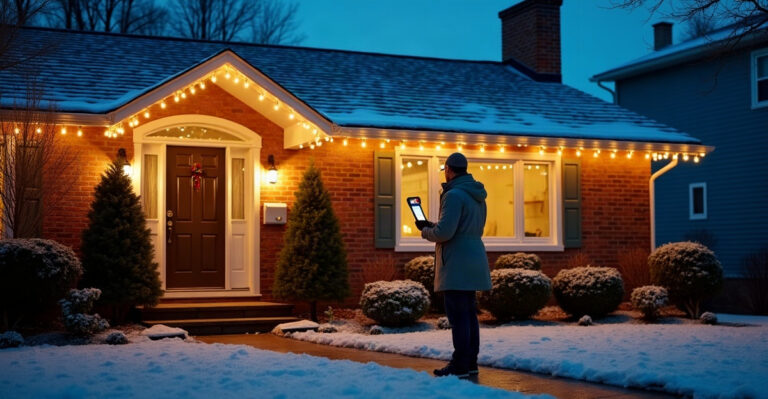
- Temporary schedules can support holidays, events, or seasonal changes.
- Remote control and status checks can provide reassurance while away from home.
Schedules, dimming, and zoning can support efficient use, though actual savings depend on fixture type, runtime, setup, and household habits. Smart controls aren’t essential for every property. We should choose them where they make daily use easier, improve flexibility, or limit unnecessary operation.
For homes that benefit from automated scenes and reliable zones, residential outdoor lighting planning can coordinate controls with fixture placement from the beginning.
Before You Choose Exterior Lights: Planning, Installation, and FAQ Checklist
Outdoor fixtures need weather ratings suited to their precise location and exposure. Local requirements vary, so we should confirm installation and compliance details with a qualified electrical professional. Early planning for renovations and new builds can reduce visible wiring, prevent unsuitable placement, and coordinate cable routes with architecture and landscaping.
Before We Choose Exterior Lights
- Does the approach complement the architecture, exterior materials, landscape, and intended atmosphere?
- Have we assessed the entry, façade, driveway, garage, paths, steps, patio, garden, side access, and any pool or water feature?
- Does each area have the right ambient, task, accent, wayfinding, or security-oriented layer?
- Are fixture form, finish, scale, beam direction, and mounting height right for the setting?
- Have we considered colour temperature, colour rendering, outdoor lighting brightness, glare, shielding, and light spill?
- Are the fixtures suitable for weather exposure, with corrosion resistance where coastal or exposed conditions require it?
- Have cable routes, transformers, low-voltage systems, drainage, and future access been planned before landscaping is complete?
- Will schedules, dimming, scenes, sensors, or independently controlled zones provide genuine value?
- Have we consulted a qualified electrical professional for hardwired systems, complex controls, architectural lighting, and local electrical-code compliance?
For a renovation or new build, a professional lighting plan can coordinate fixture selection, zoning, automation, and installation before construction or landscaping is complete. We can start that conversation through our lighting consultation team.
Frequently Asked Questions
What exterior lighting style suits a modern home?
Clean-lined fixtures and controlled beams often suit modern homes, but façade material, entry scale, landscape, and personal style should guide the final selection.
Should all outdoor lights match?
Fixtures should feel coordinated through compatible finishes, light quality, scale, and design language. Each zone can still use a different fixture type for its practical purpose.
What colour temperature is best for outdoor lighting?
Warmer light is often best for residential entries, entertaining areas, and landscaping. Cooler light may suit limited task-focused contexts.
How bright should exterior lights be?
Use enough light for visibility and wayfinding without glare, harsh contrast, or light spill. Brighter light is not automatically safer or more attractive.
Are smart outdoor lights worth it?
They can be valuable where schedules, dimming, scenes, remote control, or separate zones solve a real household need.
Do we need a professional to install outdoor lighting?
We should consult qualified electrical professionals for hardwired systems, complex controls, architectural lighting, low-voltage planning, and local electrical-code compliance.