Outdoor Mood Lighting Ideas for Relaxing Evenings
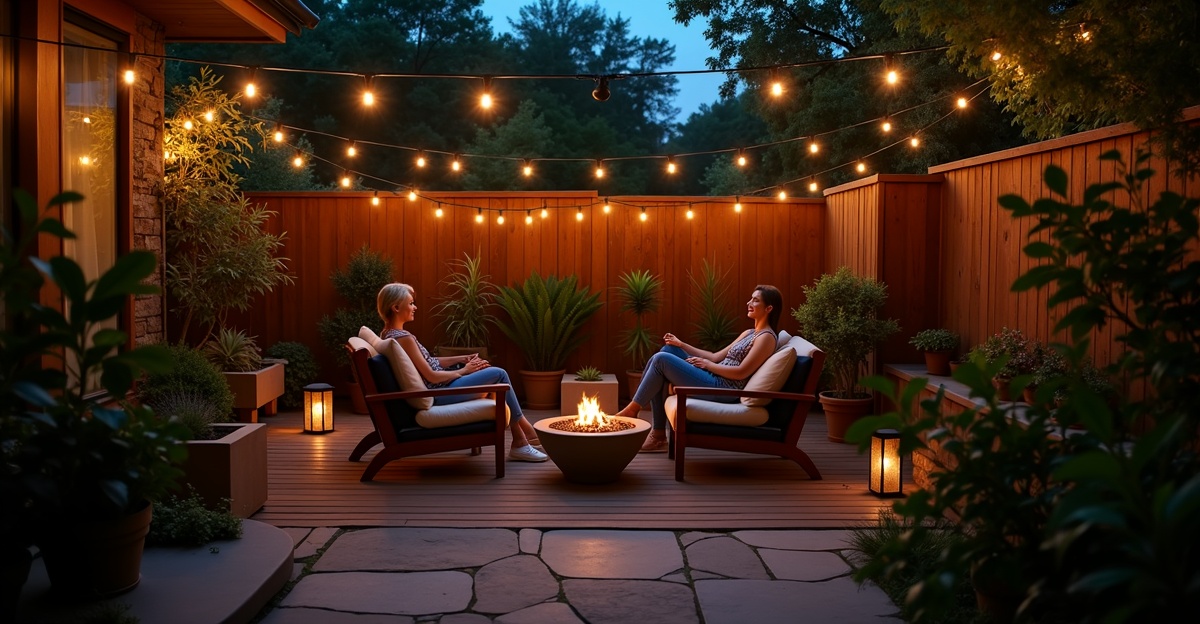
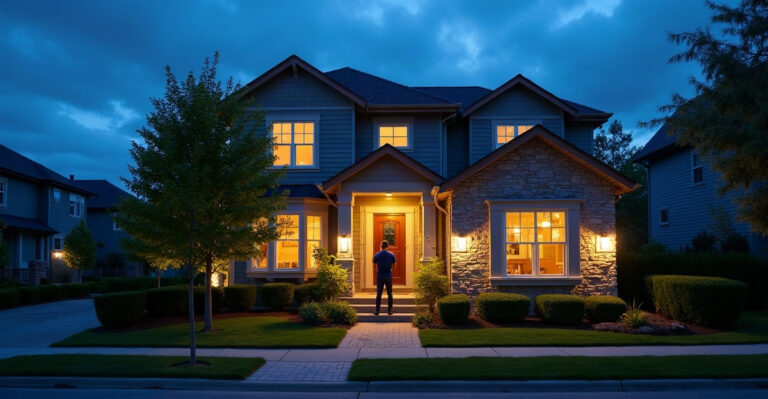
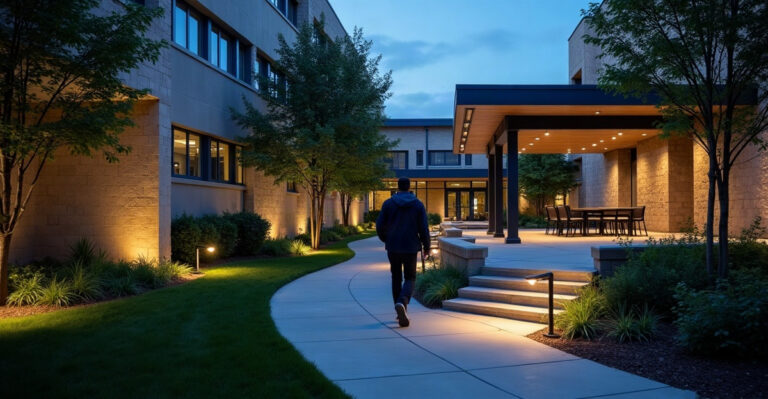
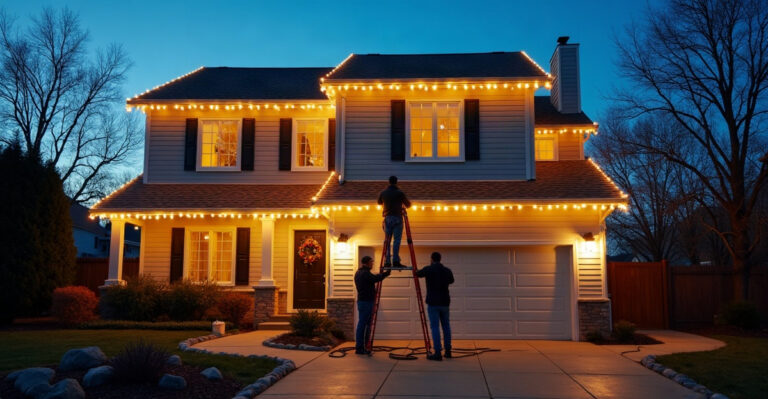
Outdoor mood lighting ideas for relaxing evenings center on layered illumination, warm color temperatures, and controlled brightness that shape a calm, welcoming backyard setting. We combine ambient, accent, and task lighting with dimmers and smart controls to boost comfort, limit glare, and extend how long we enjoy patios, decks, and gardens after sunset.
Key Takeaways
- Layer ambient, accent, task, and decorative lighting to create depth and prevent harsh, flat illumination.
- Select warm color temperatures between 2200K–3000K to encourage relaxation and avoid a clinical appearance.
- Keep lumen output modest and prioritize dimmable fixtures so we can fine-tune brightness as the evening progresses.
- Place fixtures to minimize glare by lighting surfaces rather than exposing bulbs directly to the eye.
- Use smart controls and zoning to automate schedules, manage energy consumption, and adjust lighting scenes for different outdoor zones.
Why Lighting Matters for a Relaxing Outdoor Atmosphere
Outdoor mood lighting ideas turn a backyard from a functional space into one that feels calm and inviting. Lighting shifts the emotional tone of patios, decks, and gardens after sunset. With the right approach, we create comfort, reduce visual stress, and extend how long we use our outdoor areas.
Backyard mood lighting affects how the body responds at night. Warm outdoor lighting supports relaxation. Harsh, overly bright fixtures do the opposite. Glare strains the eyes, and cool-toned light can feel sterile rather than soothing.
Functional lighting serves safety. It lights pathways, steps, and entries. Relaxing outdoor lights serve atmosphere. They create glow, depth, and softness. Both matter, but they should never compete.
Overly bright flood-style fixtures flatten the space and wash out texture. Instead, we focus on layered, controlled illumination that feels intentional. The result is an outdoor environment built on comfort, ease of use, and energy efficiency. Strong outdoor lighting design tips always prioritize the experience, not just visibility.
Core Principles of Relaxing Outdoor Lighting Design
Layering defines successful outdoor mood lighting ideas. One bright fixture rarely creates a comfortable result. We combine ambient, accent, task, and decorative lighting to build depth and softness. If layering feels unfamiliar, our guide on how to layer outdoor lighting breaks it down clearly.
Color temperature matters just as much as placement. For relaxation, we recommend 2200K–3000K. This range produces warm outdoor lighting that feels natural and inviting. Cool white LEDs at 4000K and above often feel clinical outdoors and disrupt atmosphere.
Brightness should stay subtle. Lumens measure brightness. Lower lumen outputs create softer mood effects. We aim for glow rather than spotlight intensity. The space should never feel floodlit unless safety requires it.
Dimming adds flexibility. Dimmable outdoor lights allow smooth transitions from dinner gatherings to quieter late-night conversations. Smart outdoor lighting systems take this further, allowing us to control zones and set preset scenes.
Key technical terms help simplify decisions:
- Lumens: How bright a light appears.
- Beam angle: How wide the light spreads.
- CRI (Color Rendering Index): How accurately colors appear under light.
- IP ratings: A measure of weather resistance and moisture protection.
Glare control remains essential. We position fixtures so the light hits surfaces, not eyes. Hiding the light source and illuminating walls, architectural features, or landscaping creates indirect comfort.
Outdoor Mood Lighting Ideas by Area
Every outdoor zone deserves a slightly different lighting approach. Backyard mood lighting works best when we customize it area by area.
Placement Ideas That Improve Comfort and Depth
Thoughtful placement makes relaxing outdoor lights feel effortless and balanced:
- Patio lighting ideas: Use overhead string lights or pendants for ambient glow. Add dimmable wall fixtures to warm vertical surfaces and reduce shadows.
- Decks: Install subtle step lights for safety and under-rail LED strips for a soft perimeter outline.
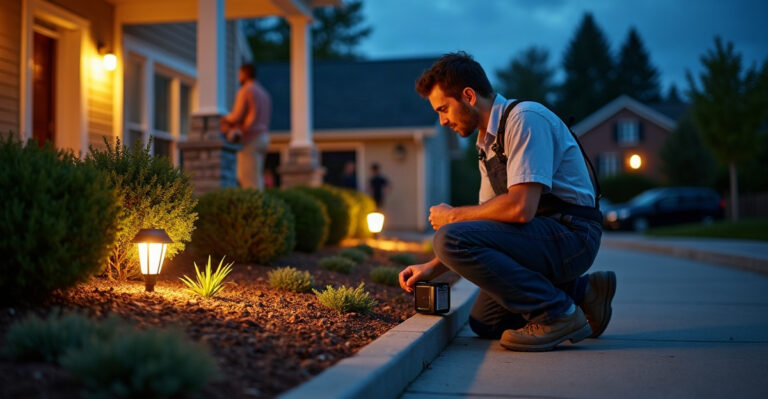
- Pathways: Space pathway lights approximately 6–8 feet apart for even guidance without creating a runway effect.
- Garden accent lighting: Position uplights 12–18 inches from trees or walls, adjusting for beam spread to highlight texture and soft shadows. A deeper look at what accent lighting is helps clarify how this technique shapes mood.
- Pergolas and fences: Conceal strip lighting along beams or use gentle grazing wall lights to add dimension.
- Pools and water features: Favor indirect lighting to prevent harsh reflections near seating areas.
For homeowners who prefer a refined, clean look, minimalist approaches work beautifully. Our ideas on minimalist outdoor lighting setups show how less can achieve more impact.
Homes with modern architecture benefit from thoughtful contrast and shadow. Inspiration from modern outdoor lighting design ideas can guide cohesive visual results.
Color also shapes mood. Warm white promotes relaxation, while dynamic options allow seasonal changes. When comparing color approaches, our breakdown of RGB vs warm white outdoor lighting explains when each fits best.
For fully integrated solutions, we often recommend professional outdoor mood lighting systems that unify all these layers into one seamless design.
How Bright Should Outdoor Mood Lighting Be?
How bright should backyard mood lighting be? The short answer: softer than most people expect.
Mood lighting should feel understated. Functional lighting, like step and entry lights, can be brighter where necessary. We layer these separately so the safety element does not overpower the atmosphere.
Lumens explained simply: higher lumens mean brighter light. For relaxing outdoor lights, we choose modest lumen levels for accents and pathways. Too much brightness flattens texture and increases glare.
Dimming capability remains critical. Early evening gatherings may require slightly more light. As the night progresses, lower levels feel cozier and more intimate. Dimmable outdoor lights make this adjustment effortless.
Beam angle influences comfort as much as brightness. A narrow beam focuses light tightly and can create dramatic highlights. A wide beam spreads light broadly and softens shadows. Selecting the right beam reduces hotspots and harsh shadow lines.
Spacing pathway lights 6–8 feet apart keeps illumination even without overwhelming the walkway. At steps and level changes, we prioritize glare control and step visibility. Safety always comes first, but it should blend naturally into the environment rather than dominate it.
Smart Controls for Effortless, Energy-Efficient Evenings
Smart outdoor lighting systems allow us to create atmosphere without constant adjustment. Automation makes outdoor lighting feel natural and seamless.
Sunset activation ensures lights turn on automatically as daylight fades. No switches. No guesswork. The transition feels smooth every evening.
Scene presets simplify entertaining. One setting can brighten patios for gatherings. Another can dim garden accents for quiet relaxation. Zoning allows each area—patio, pathways, garden—to operate independently.
App-based and voice controls make quick adjustments simple. We adjust brightness levels, shift tones, or activate specific scenes without leaving our seats.
Energy efficiency improves with scheduling and dimming. LED technology reduces power consumption while delivering consistent performance. Smart controls prevent unnecessary runtime and keep operating costs low.
Homeowners across the Southwest often benefit from climate-aware solutions like Phoenix outdoor mood lighting that account for desert heat and extended evening use. For broader property upgrades, we incorporate systems into complete residential outdoor lighting plans so everything works together.
Professional planning ensures automation serves comfort rather than complexity. When configured correctly, smart systems feel simple and intuitive.
Common Mistakes to Avoid in Backyard Mood Lighting
Successful outdoor mood lighting ideas require thoughtful design. Certain mistakes consistently reduce comfort and long-term satisfaction.
- Overemphasizing product features instead of layout and placement weakens results. Design strategy always comes first.
- Keeping ideas too generic limits impact. Effective backyard mood lighting depends on spacing guidance, proper 2200K–3000K color temperature selection, and correct mounting distances.
- Using overly bright or cool-toned lighting conflicts with relaxation goals. Warm outdoor lighting supports comfort, while cool light often disrupts it.
- Ignoring IP ratings leads to performance issues. Proper durability and moisture resistance ensure reliability in rain, heat, and irrigation exposure.
- Failing to separate functional and mood lighting creates imbalance. Steps and transitions need visibility, but ambient glow should dominate gathering areas.
- Neglecting glare control strains the eyes and breaks immersion. Shielded fixtures and thoughtful aiming preserve comfort.
Careful planning prevents these errors. With clear outdoor lighting design tips and well-placed fixtures, we create outdoor spaces that feel inviting night after night.